Family Medicine Residency Mission and Aims
Our Mission
Inspired by Oak Ridge’s legacy of innovation, our program prepares compassionate, collaborative physician leaders to deliver comprehensive, team-based, patient-centered family medicine. Through longitudinal relationships, community-focused care, and adaptation to an evolving healthcare landscape, we equip graduates to improve the health of patients, families, and our region.
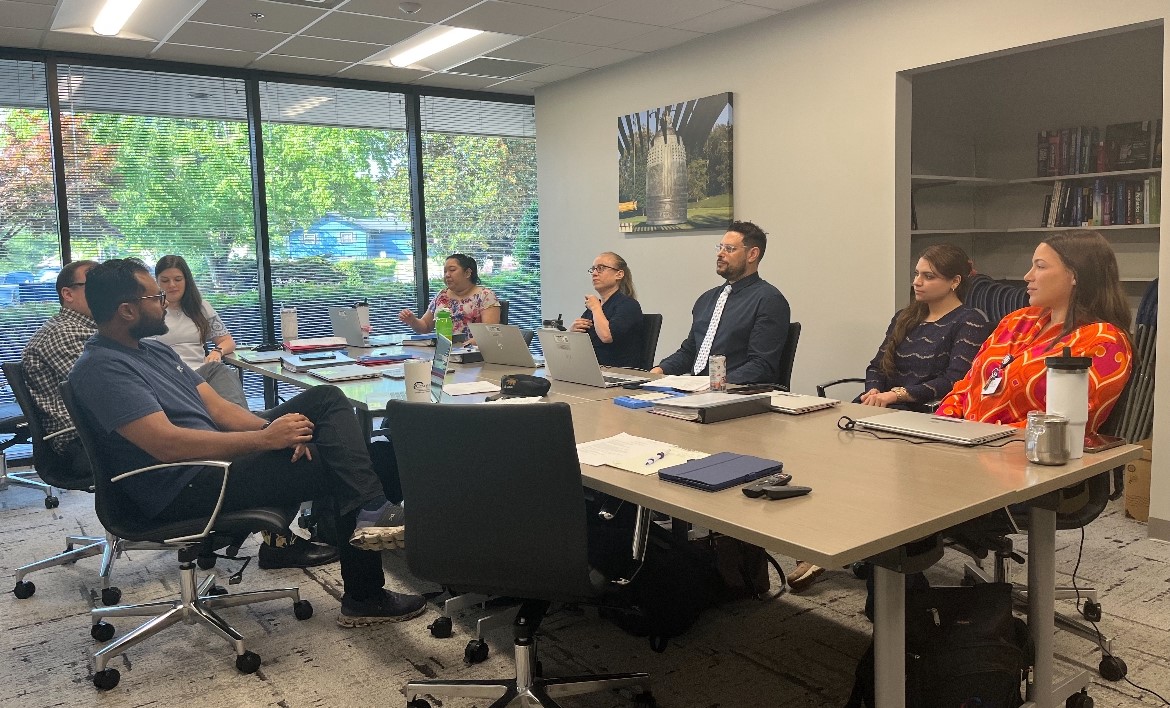
In the group photo, Methodist Family Medicine residents begin Wellness Committee discussions about the factors that constitute wellness.
Program Aims
- Residents participate in a structured curriculum of rotational and longitudinal experiences across a diverse network of clinical settings, including Methodist Family Medicine Clinic, Methodist Medical Center, Covenant facilities, and community practices. These experiences provide broad exposure to family medicine across care settings and form the foundation for training in continuity of care, team-based practice, population health, and emerging models of care delivery.
- Residents benefit from faculty with diverse clinical and academic expertise, which is leveraged to offer focused tracks, specialty clinics within continuity clinic, and individualized learning opportunities. These experiences highlight the breadth of family medicine and support residents in developing both depth and flexibility in their training.
- The Methodist Family Medicine Clinic serves as the core training environment where residents develop competence across a full spectrum of family medicine, including chronic disease management, acute care, health maintenance, and preventive care. Residents learn to deliver longitudinal, patient-centered care using team-based models.
- The program prepares residents to identify, evaluate, and manage common behavioral health conditions across care settings. Through longitudinal experiences in continuity clinic and collaboration with behavioral health professionals, residents learn to provide integrated, trauma-informed care that addresses both acute and chronic behavioral health needs.
- Through longitudinal experiences, structured education, and community engagement, residents learn to recognize how social, economic, and environmental factors influence health outcomes. Residents are trained to connect patients with community resources, collaborate with interdisciplinary team members, and apply quality improvement and systems-based approaches to reduce barriers to care.
- The program promotes curiosity, evidence-based practice, and continuous system improvement through longitudinal engagement in quality improvement and scholarly activity. Residents use clinical data, literature review, and faculty mentorship to identify opportunities for improvement in patient care and practice systems.
- The program prepares residents to incorporate health information technology into patient care in ways that enhance access, continuity, and quality of care. Residents gain experience using electronic medical records, telehealth, AI, and remote communication tools to support clinical decision-making, care coordination, and follow-up across settings.