Stroke Diagnostics at Covenant Health Roane
At Covenant Health Roane, we have many tools available to assist physicians in diagnosing stroke.
Stroke Diagnostics at Covenant Health Roane
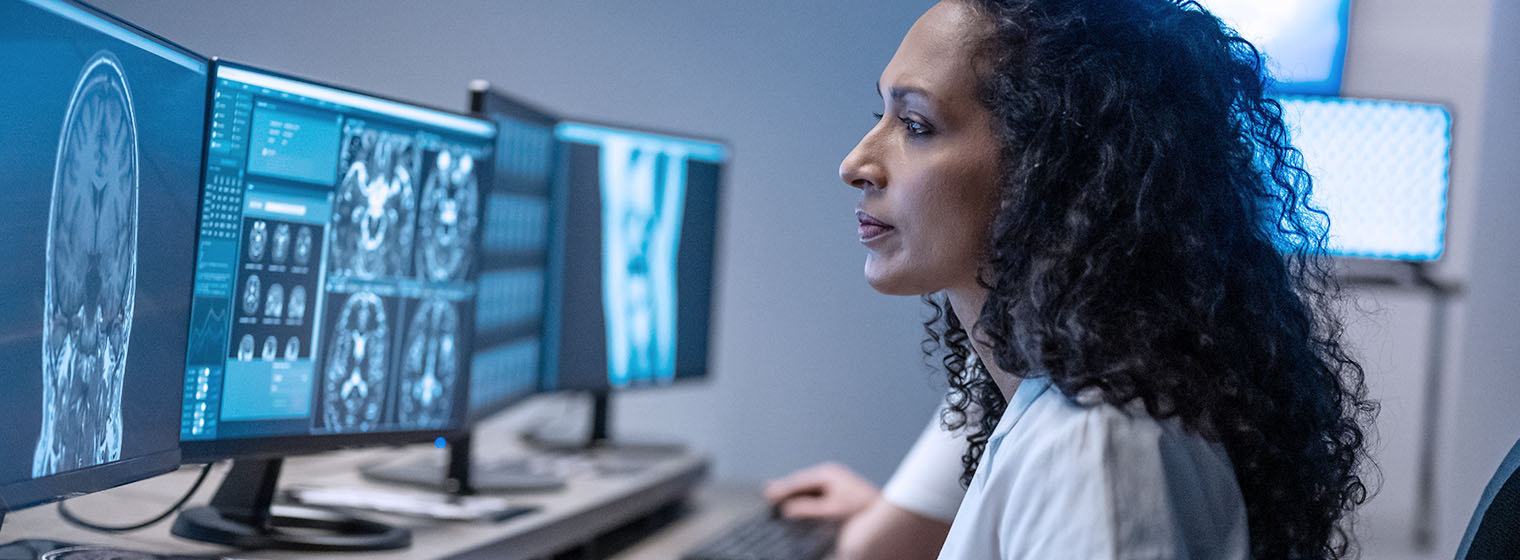
At Covenant Health Roane, we have many tools available to assist physicians in diagnosing stroke. These tests can either take pictures of your brain, test brain activity, or check blood flow changes to the brain.

Treatments, Services, Conditions Treated
Computed Tomography Scan (CT/CAT Scan)
One of the major diagnostic tests ordered to help diagnose a stroke is CT Scan or CAT scan (computed tomography scan). These scans take several X-ray pictures of your brain from various angles and can help determine if there is a stroke that is caused by either a blocked blood vessel or bleeding in the brain.
Magnetic Resonance Imaging and Angiography (MRI/MRA)
An MRI uses radio waves and a larger magnet to provide a more detailed picture of the brain. This test gives faster, clearer images of the soft tissue of the brain.
Carotid Ultrasound
Ultrasounds of the carotid arteries (the main vessels supplying blood flow to the brain) can show any changes in blood flow to your brain. Carotid artery screenings use sound waves to detect plaque build-up in the carotid arteries in the neck, which is a major risk factor for stroke.
Echocardiogram
An echocardiogram (echo) uses sound waves from ultrasound technology to create images of the heart. This test is used to look at the heart and see how blood is flowing. Sometimes a clot forms in the body and can travel to the brain, causing a stroke. An echocardiogram can help detect this problem.
Blood Tests/Chemistries
A variety of blood tests may be ordered in the diagnostic testing for a stroke. These tests can show how fast the blood clots, whether the blood glucose levels are too high or low, whether cholesterol levels are too high, and other important information about the blood chemistry levels in the body. Managing blood tests that are abnormal is part of managing stroke care.