Screening and Diagnostic Imaging
Choose Excellence in Imaging
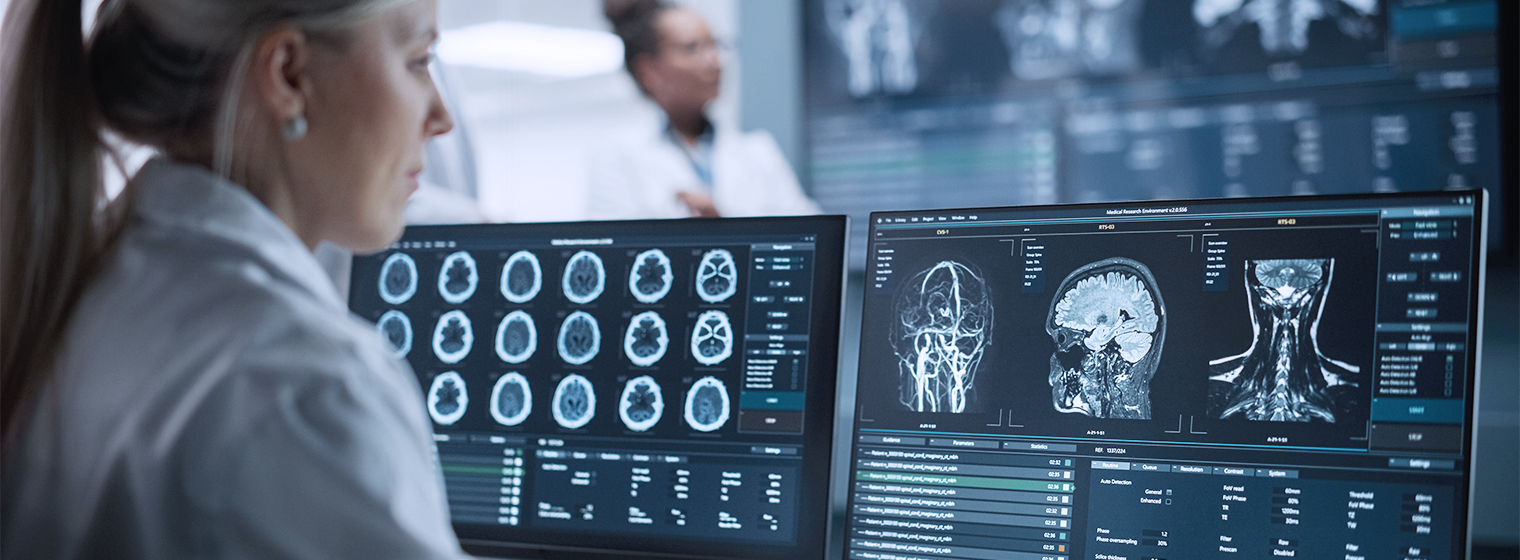
When you need diagnostic imaging, choose Covenant Health Roane to receive excellent care from skilled staff using state-of-the-art technology. Our technical staff members, along with the radiologists of Vista Radiology, are devoted to meeting the needs of the community and delivering excellent patient care.
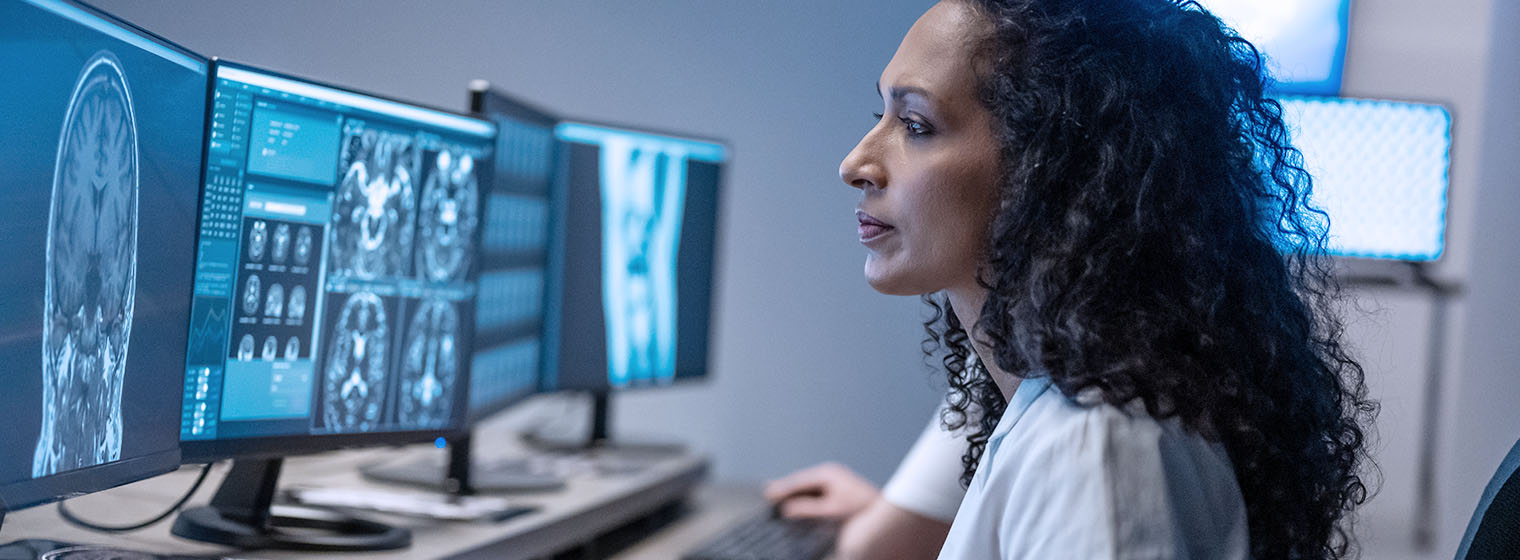
We offer a comprehensive range of imaging services. Learn more about the types of imaging services you can receive with us.
Imaging Services
CT Scan
Computed tomography, also known as CT or CAT (computerized axial tomography), combines the power of X-rays and computers with minimal radiation. A CAT scan’s cross-sectional images of the body enable doctors to see your internal anatomy without surgery.
Our CT services include:
- Routine head, neck, chest, abdomen, and pelvis studies
- Orthopedic studies – spines and extremities
- Pediatric studies
- CT angiography – all arterial studies (circle of Willis, carotid, renal, mesenteric, aorta, and run-offs) except for coronary artery studies
Exam preparation
- Bring with you a complete written list of medications you are currently taking.
- Arrive 15 minutes prior to your scheduled appointment to register.
- Inform the technologist or RN if there is a possibility you are pregnant.
- When you arrive to the CT department, you will be asked about your medical history by a nurse or technologist. If lab work is needed, it will be completed prior to the exam
CT Abdomen and/or Pelvis with contrast
This exam requires you to drink oral contrast, which is a liquid that makes the stomach, small bowel, and colon more visible. You should have no food or drink for 4 hours prior to the exam. After receiving oral contrast, you will drink the contrast and then wait a minimum of 60 minutes before the scan is performed.
Lung Cancer Screening
Lung cancer screenings create detailed pictures of the lungs to detect early signs of lung cancer. Covenant Health Roane offers low-dose CT scanning, a unique screening that uses lower amounts of radiation than standard chest CT imaging while still providing high-quality images of the lungs. Low-dose CT scans can identify cancer earlier, when it is more treatable. Because of early detection, studies show that low-dose CT can lower death rates by 20% in people who are at high risk.
Heart Cath
Covenant Health Roane offers full-service diagnostic heart catheterization services through our fully-digital Toshiba Cath Lab.
Cardiac catheterization is a medical procedure used to diagnose and treat some heart conditions. A long, thin, flexible tube called a catheter is put into a blood vessel. Through the catheter, your doctor can do diagnostic tests and treatments on your heart.
Interventional Radiology
Interventional Radiology (IR) is a subspecialty of radiology in which minimally invasive procedures are performed using image guidance. The concept behind IR is to diagnose or treat pathology with the most minimally invasive techniques possible. IR procedures can reduce infection rates and recovery times and shorten hospital stays. Many IR procedures are performed with conscious sedation.
Common IR Procedures:
- Bone marrow biopsies
- Port placements
- IVC filters
- Gastrostomy tubes
- Tunneled pleural catheter placement
- Hemodialysis catheter placement (permcath)
- Pleurx catheters
- Joint injections
- Percutaneous nephrostomy
- Peritoneal dialysis catheters
- Quinton catheters
- Paracentesis
- Thoracentesis
- Thyroid biopsies
- Breast biopsies
- Renal biopsies
- Lung biopsies
- Liver biopsies
- Many more
Magnetic Resonance Imaging (MRI)
Magnetic Resonance Imaging (MRI) is a noninvasive medical test that uses a powerful magnetic field, plus radio frequency waves, to produce detailed pictures of the body. No radiation is used. Because there’s no radiation exposure to the patient, MRI has become popular as an alternative diagnostic tool.
All Covenant Health Roane technologists are registered with the American Registry of Radiologic Technologists (ARRT) and receive extensive training in their respective areas.
Our MRI scans include:
- Neuro – brain and spine
- Orthopedics
- Vascular
- Abdomen (liver, spleen, pancreas, kidney)
Note: If you are claustrophobic, please discuss with your physician. No oral sedative will be given by this facility. IV sedation for extreme claustrophobia must be scheduled by a physician.
Our MRI services have been accredited by the American College of Radiology. Read more about our accreditation here.
Nuclear Medicine
Nuclear Medicine uses radioactive material to access the function of organs or systems within the body. This tool often spots abnormalities early in a disease’s progression. It also provides a way to gather information that otherwise would be unavailable or require surgery or more expensive diagnostic tests.
Our technologists are ARRT and CNMT registered in Nuclear Medicine. Our Nuclear Medicine Department has been accredited by the American College of Radiology. Read more about our accreditation here.
Nuclear medicine is used to:
- Analyze kidney function
- Determine the presence or spread of cancer
- Evaluate bones for fractures, infection, arthritis, or tumors
- Identify bleeding in the bowel
- Identify gallbladder blockages
- Locate infections
- Measure thyroid for overactive or underactive functioning
- Provide images of blood flow and heart functioning
- Scan lungs for respiratory and blood-flow problems
Exam preparation
- You will need to bring with you a complete written list of medications you are currently taking.
- Arrive 15 minutes prior to your scheduled appointment to register.
- You will be called the day before the appointment. The technologist will inform you of any preparation needed and the estimated exam duration, plus will address any questions the patient may have.
- Inform the technologist or RN if there is a possibility you are pregnant.
- When you arrive to the Nuclear Medicine department, you will be asked about your medical history by a nurse or technologist. If lab work is needed, it will be completed prior to the exam.
Nuclear medicine uses small quantities of radioactive materials, called isotopes, that are targeted to specific organ systems or tissues within the body. These can be introduced into the body in different ways. Depending on the type of nuclear medicine exam you are undergoing, the radiotracer may be injected into a vein, which is most common, but also can also be swallowed or inhaled as a gas. Either way, it eventually accumulates in the organ or area of your body being examined.
Note: It can take anywhere from several seconds to several days for the radiotracer to travel through your body and accumulate in the organ or area being studied. As a result, imaging may be done immediately, a few hours later, or even several days after you have received the radioactive material.
Ultrasound
Ultrasound imaging, also called sonography, uses high-frequency sound waves to obtain images of the inside of the body. Benefits of ultrasound include more comprehensive and reliable exam data, faster tests, and improved patient comfort. Ultrasound exams do not use radiation.
Our Ultrasound Department has been accredited by the American College of Radiology.
Our ultrasound services include:
- Gynecology
- Vascular exams
- Obstetrics
- Biopsies and Drainages
- Breast exams
- Other general ultrasound procedures
Exam preparation
- You will need to bring with you a complete written list of medications you are currently taking.
- Arrive 15 minutes prior to your scheduled appointment to register.
- Abdominal ultrasound: you should have no food or drink for 8 hours prior to the exam.
- Pelvic ultrasound: a full bladder is required for this exam. You should drink 40 ounces of fluids prior to the exam.
Digital Mammography & Breast Ultrasound
Covenant Health Roane provides mammography screenings and breast ultrasounds to detect changes in breast tissue that are difficult to feel by hand. Our mammography unit is digital, using the latest mammogram technology to obtain clearer images for proper diagnosis. The user-friendly design of the new equipment means greater comfort for you during breast cancer screenings and diagnoses.
The new technology also cuts scan time in half, allowing patients to be seen more quickly, and it provides enhanced images for the physicians and technologists at Covenant Health Roane.
Our Digital Mammography Unit is accredited by the American College of Radiology and certified by the Food and Drug Administration. Check out our most recent accreditation here.
Stereotactic Breast Biopsy
If cancer cells are detected, the physician may choose to perform stereotactic biopsies. A stereotactic breast biopsy requires a specialized mammography machine that helps guide the radiologist’s instruments to the abnormal growth site.
Bone Densitometry
Bone density testing is available at Covenant Health Roane for the detection of subtle bone changes which might indicate the beginnings of osteoporosis. The diagnostic information is faster and more accurate than older procedures. This comes at a time when medical specialists are reporting new treatments that may help patients regenerate bone mass — and partially reverse the effects of osteoporosis. In addition, our technology can help detect advanced hip and vertebral problems.