
Bone Density (DEXA) Screening at Covenant Health
Bone density tests are crucial for early detection and management of osteoporosis.
Schedule yours today.

What is a Bone Density Test?
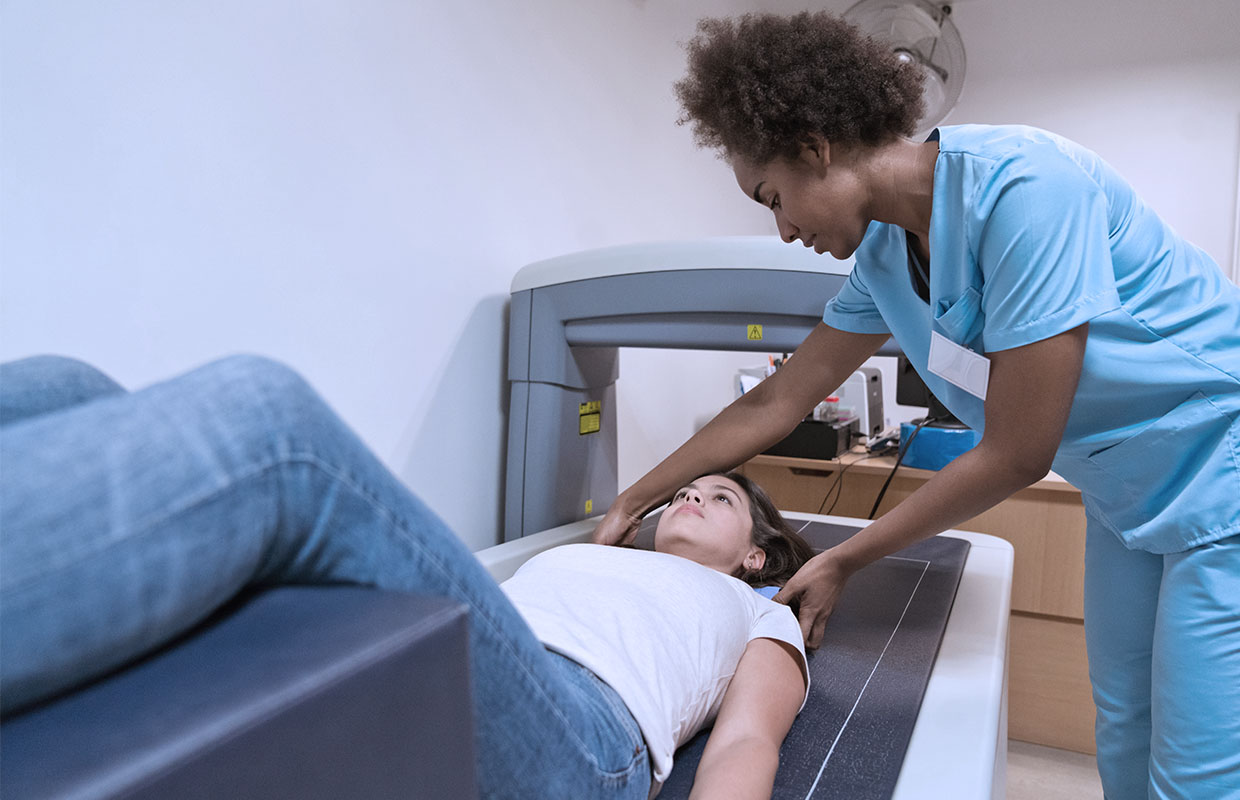
A bone density test is a procedure used to measure the density and strength of bones. This test helps determine if you have osteoporosis – a disease that causes bones to become more fragile and more likely to break. The most common type of bone density test is dual-energy X-ray absorptiometry (or DEXA).
Doctors use bone density testing to:
- Identify decreases in bone density before you break a bone
- Determine your risk of broken bones (fractures)
- Confirm a diagnosis of osteoporosis if you’ve experienced broken bones
- Monitor osteoporosis treatment
Who is Eligible for a Bone Density Test?
Although osteoporosis is more common in postmenopausal women, men ages 70 and older can also can develop the condition. Regardless of your sex or age, your doctor may recommend a bone density test if you’ve:
Lost height. People who have lost at least 1.6 inches (4 centimeters) in height may have experienced compression fractures in their spines.
Fractured a bone. Fragility fractures occur when a bone becomes so fragile that it breaks much more easily than expected.
Taken certain drugs. Some medicines may increase your risk, such as long-term use of corticosteroids, thyroid hormone replacement medications and immunosuppressant drugs.
A family history of osteoporosis. There is a strong genetic component to osteoporosis, so having a family history of bone disease may increase your risk.

Schedule a Screening Today
Ask your provider about scheduling a screening during your annual physical exam, or speak with a call center representative who can help you schedule a bone density screening.
Request Bone Density Screening
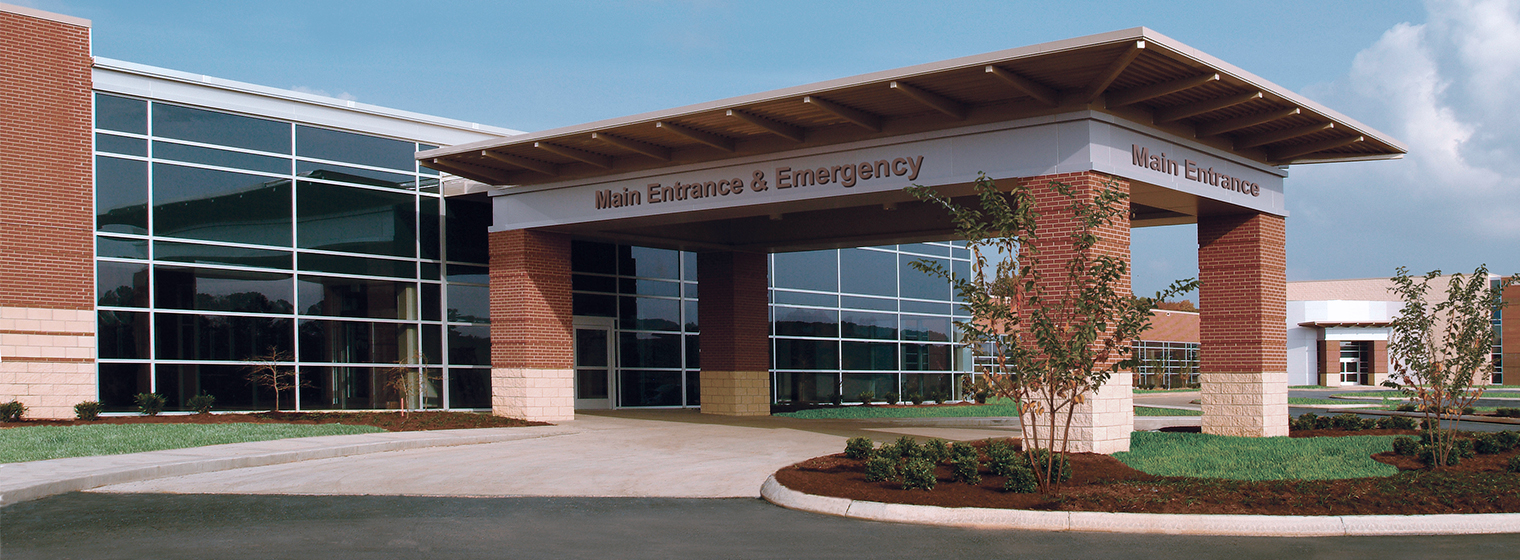
Our Bone Density Screening Locations
Bone density screenings require a physician order. Ask a primary care provider about scheduling a screening at one of our locations below, or contact our call center at (865) 374-0411 for assistance finding a provider.
-

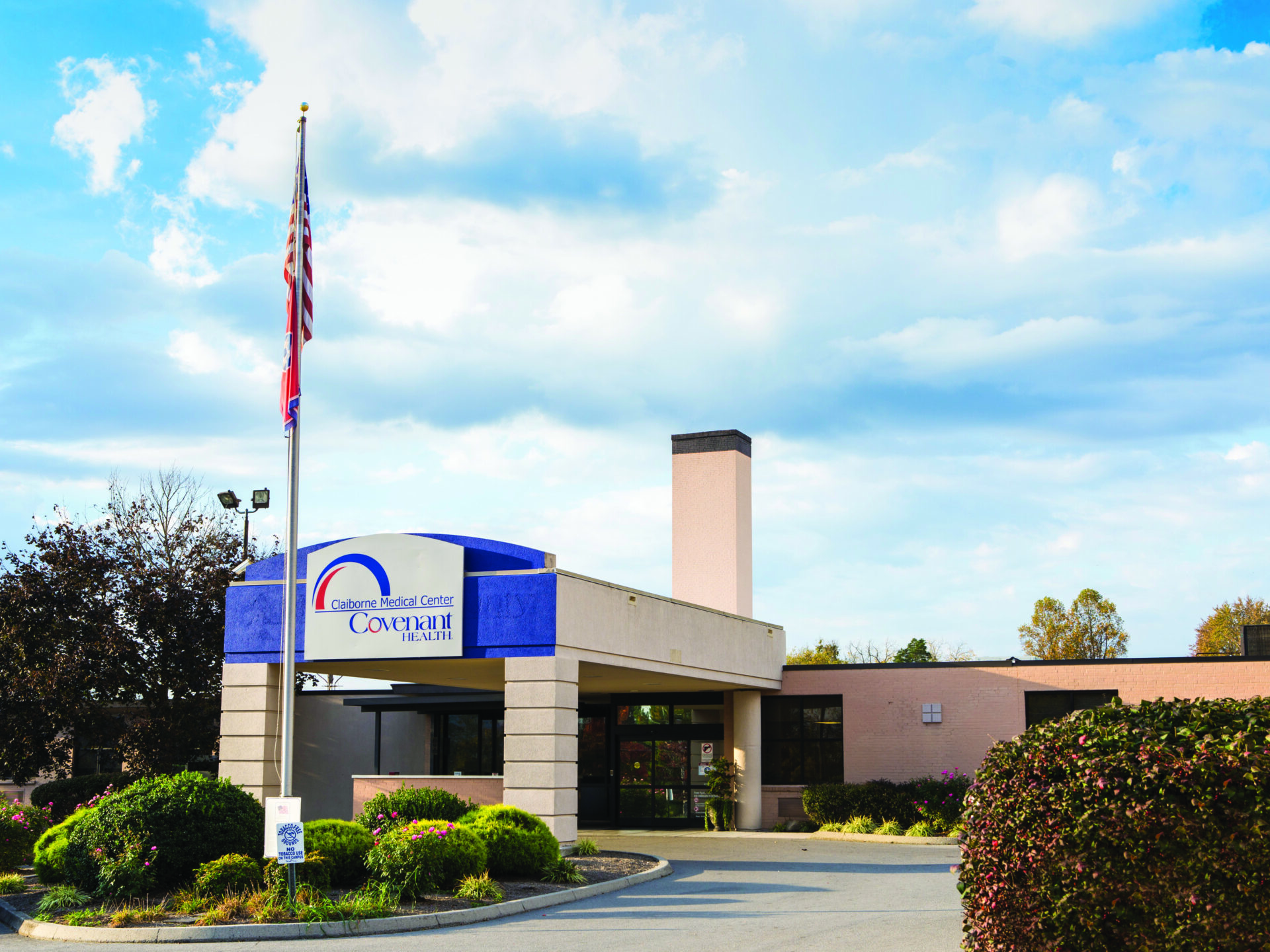
Covenant Health Claiborne
Find a Primary Care DoctorDirections: 1850 Old Knoxville Rd, Tazewell, TN 37879
Hours: Open 24 hours
Scheduling Assistance: (865) 541-4500
-

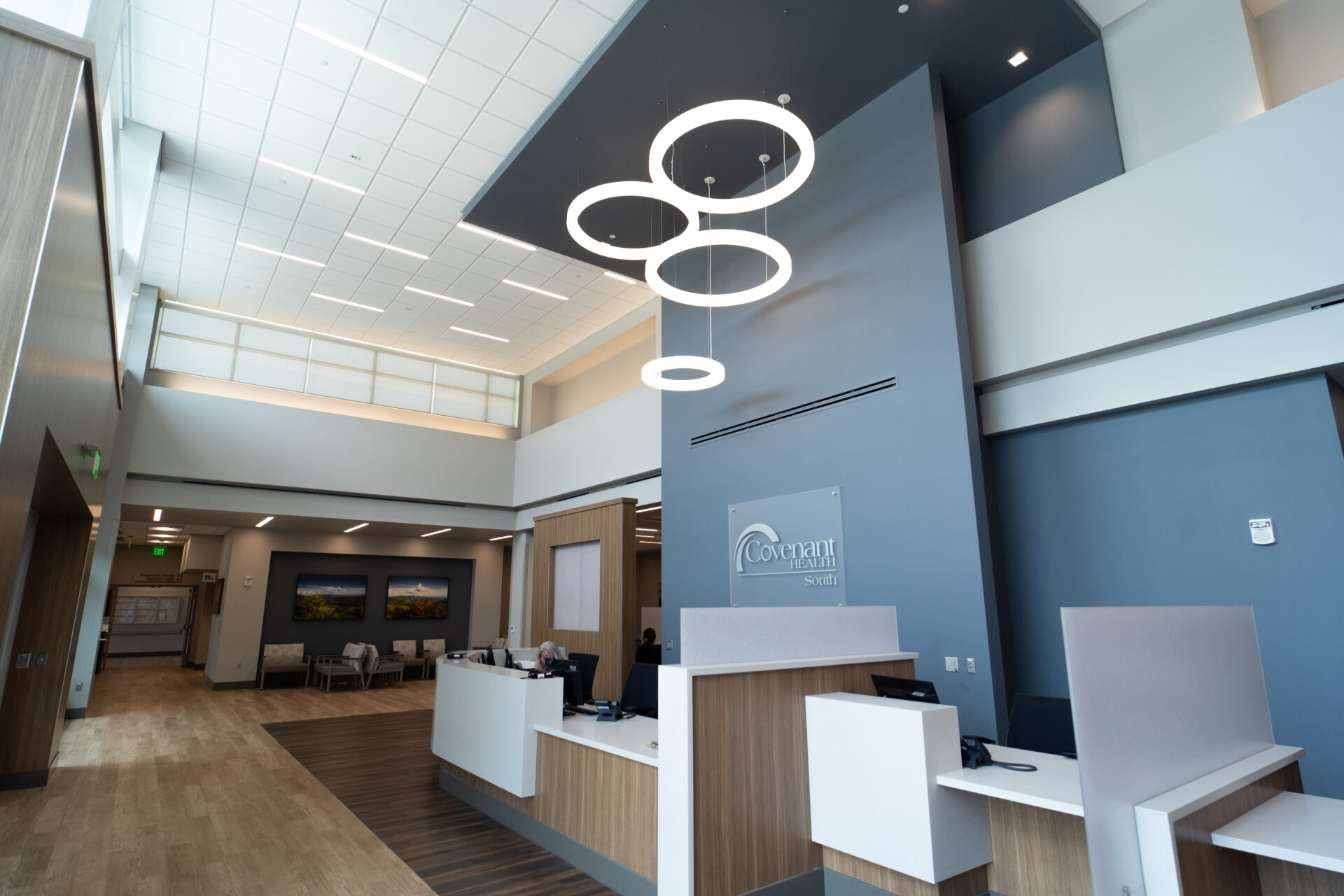
Covenant Health South
Find a Primary Care DoctorDirections: 7625 Chapman Highway, Knoxville, TN, 37920 | Suite 103
Hours: Monday-Friday, 8 AM – 5 PM
Scheduling Assistance: (865) 375-8922
-

Covenant Health West
Find a Primary Care DoctorDirections: 280 Fort Sanders West Blvd, Knoxville, Tennessee 37922
Hours: Monday – Friday, 8 AM – 4:30 PM
Scheduling Assistance: (865) 531-5400
-

Cumberland Outpatient Center – Fairfield Glade
Find a Primary Care DoctorDirections: 132 Stonehenge Drive, Fairfield Glade, TN 38558
Hours: Monday – Thursday, 8 AM – 4 PM; Friday 8 AM – Noon
Scheduling Assistance: (931) 484-5141
-

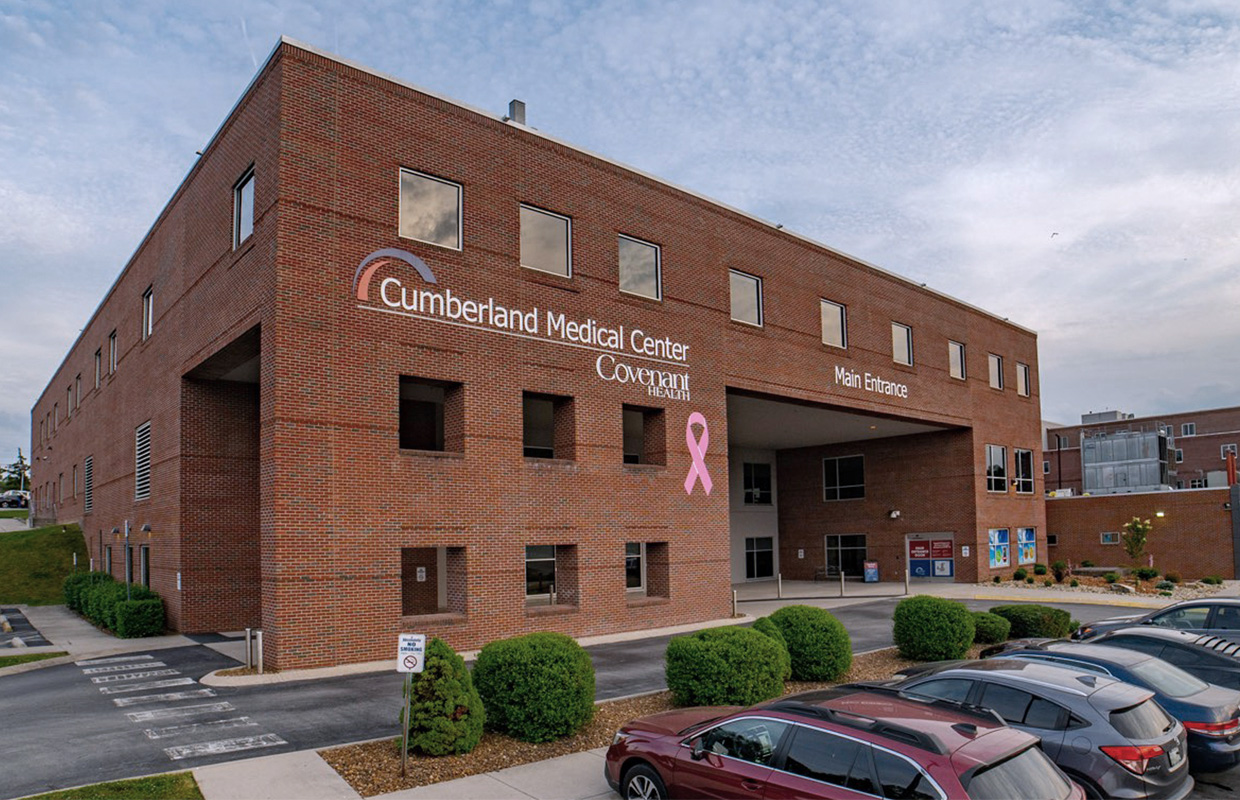
Cumberland Medical Center
Find a Primary Care DoctorDirections: 421 S Main Street, Crossville, TN 38555
Hours: Open 24 hours
Scheduling Assistance: (931) 484-9511
-

Covenant Health Fort Loudoun
Find a Primary Care DoctorDirections: 550 Ft Loudoun Med Ctr. Dr, Lenoir City, TN 37772
Hours: Open 24 hours
Scheduling Assistance: (865) 374-4000
-

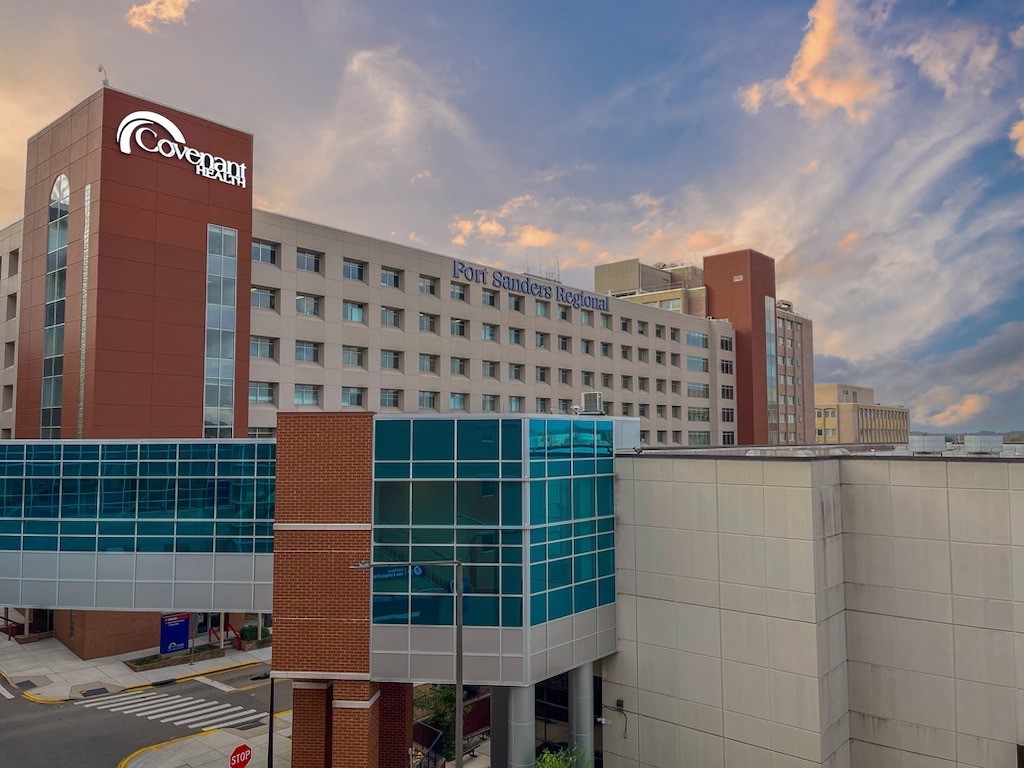
Fort Sanders Regional Medical Center
Find a Primary Care DoctorDirections: 1901 Clinch Ave, Knoxville, TN 37916
Hours: Open 24 hours
Scheduling Assistance: (865) 331-1111
-
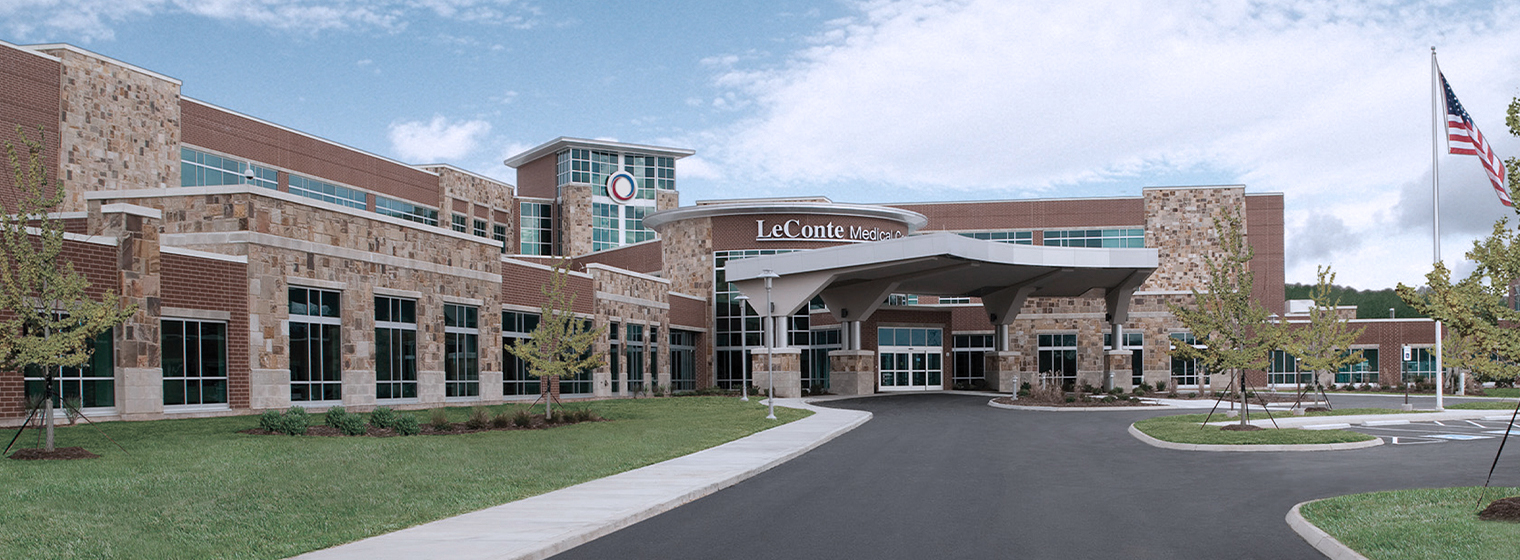
Covenant Health LeConte
Find a Primary Care DoctorDirections: 742 Middle Creek Rd, Sevierville, TN 37862
Hours: Open 24 hours
Scheduling Assistance: (865) 446-7000
-
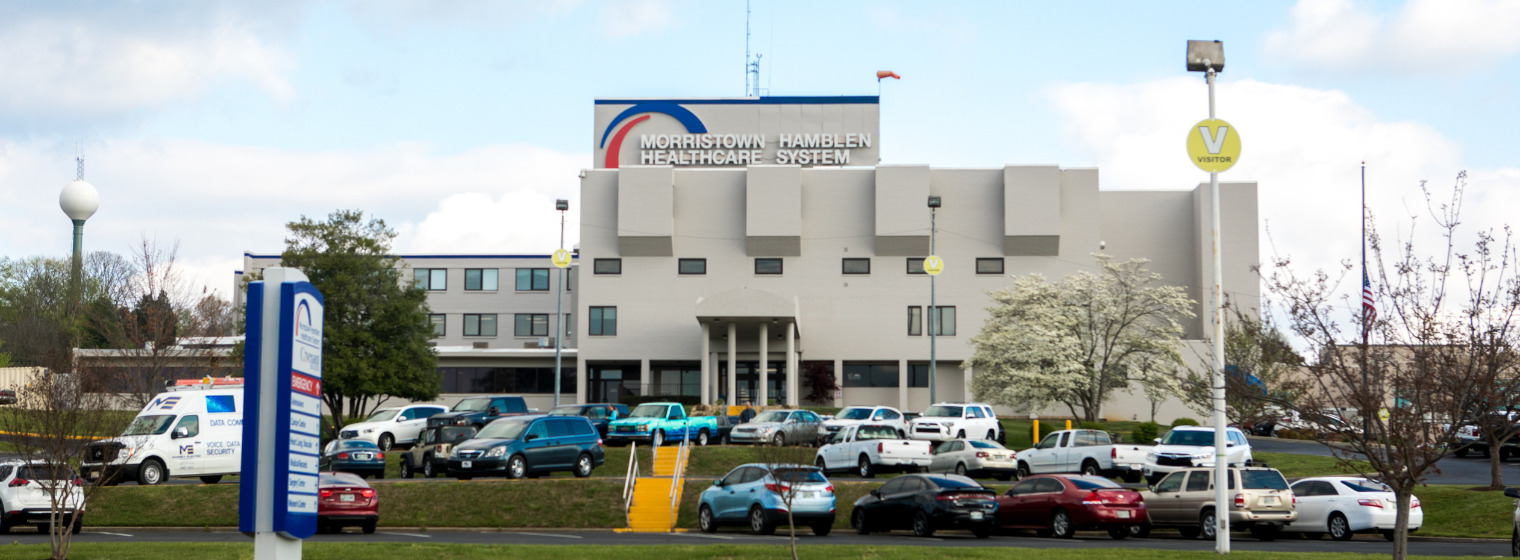
Covenant Health Morristown-Hamblen
Find a Primary Care DoctorDirections: 908 West Fourth North St, Morristown, TN 37816
Hours: Open 24 hours
Scheduling Assistance: (865) 374-4000
-
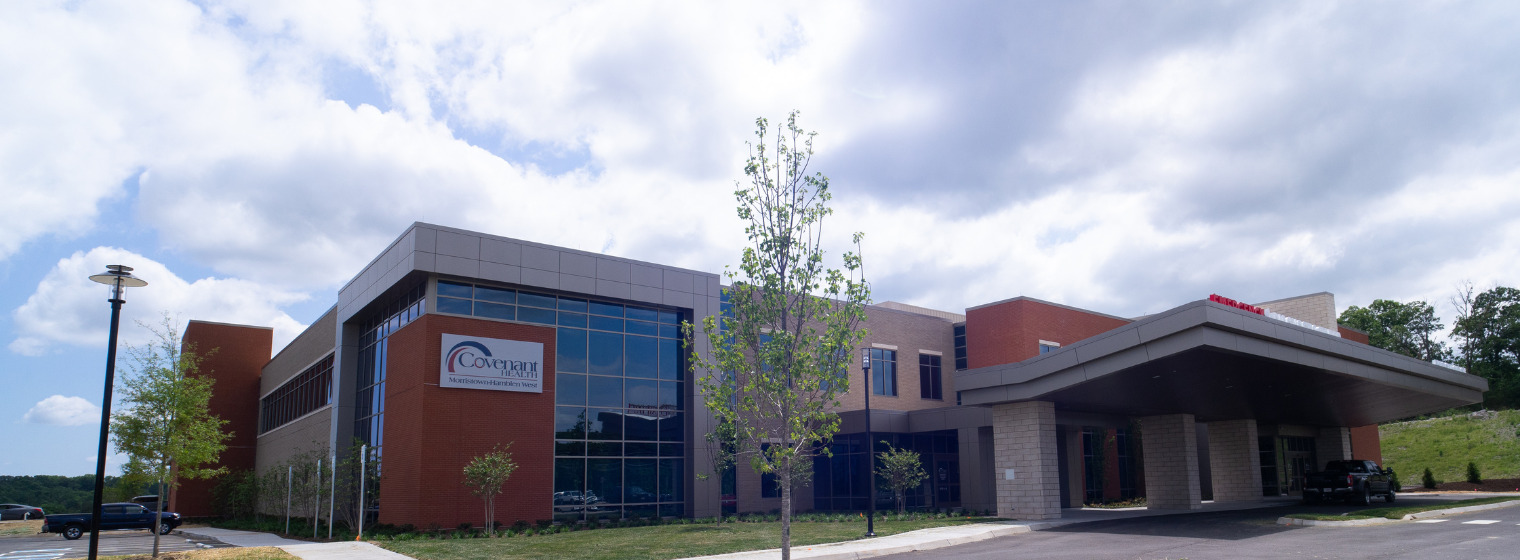
Covenant Health Morristown-Hamblen West
Find a Primary Care DoctorDirections: 653 Merchants Greene Blvd, Morristown, TN 37813
Hours: Monday – Friday 7:30 AM – 5 PM
Scheduling Assistance: 423-492-6500
-
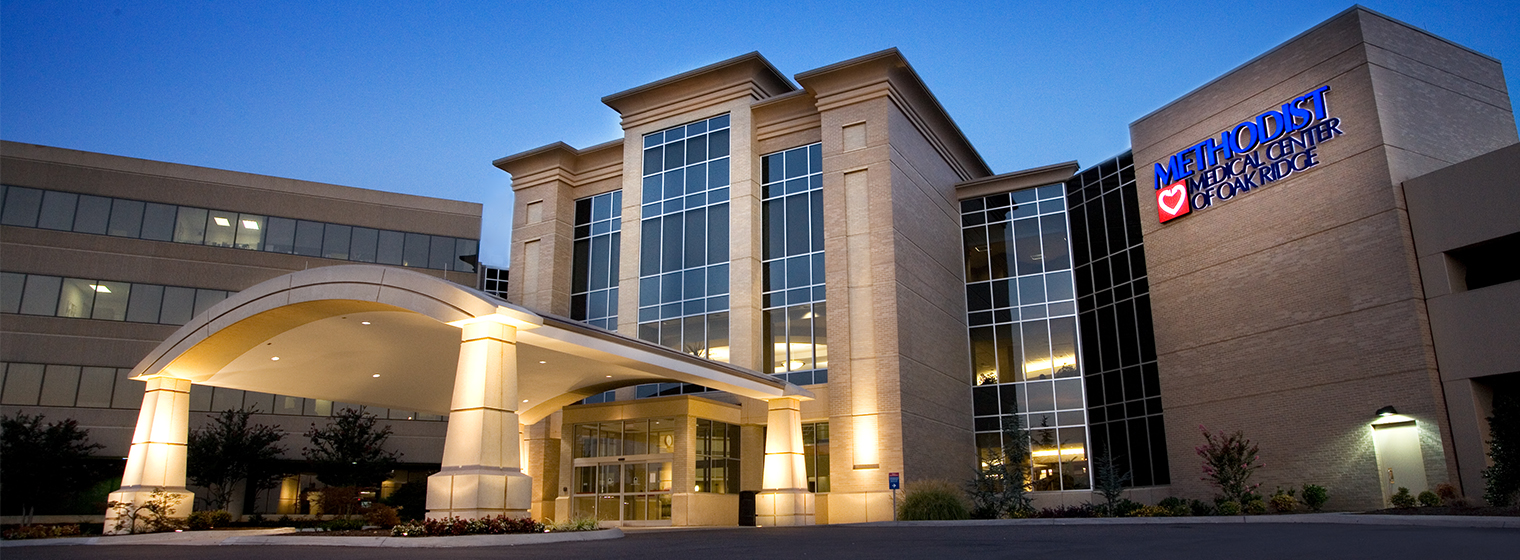
Methodist Medical Center
Find a Primary Care DoctorDirections: 990 Oak Ridge Turnpike, Oak Ridge, TN 37831
Hours: Open 24 hours
Scheduling Assistance: (865) 835-1000
-

Parkwest Medical Center
Find a Primary Care DoctorDirections: 9352 Park West Blvd, Knoxville, TN 37923
Hours: Open 24 hours
Scheduling Assistance: (865) 373-1000
-

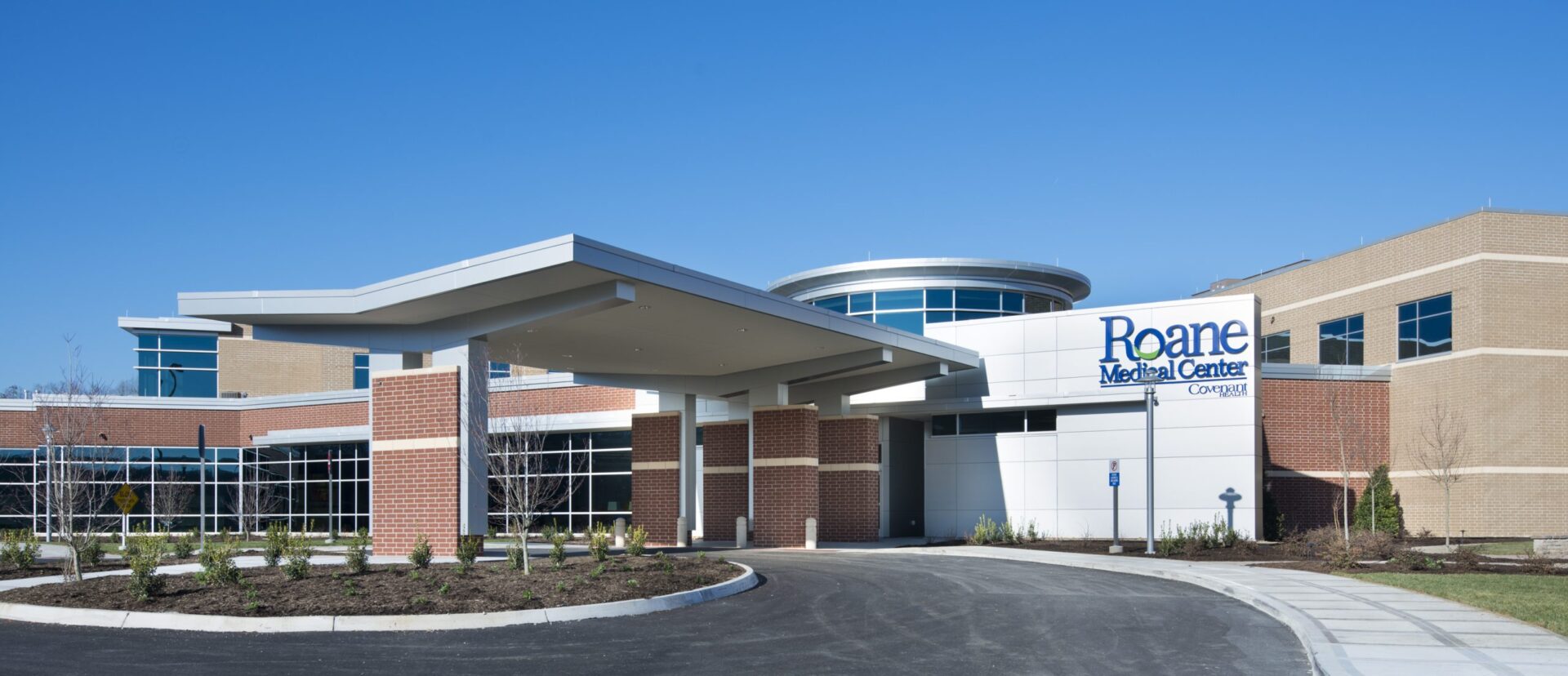
Covenant Health Roane
Find a Primary Care DoctorDirections: 8045 Roane Med Center Dr, Harriman, TN 37748
Hours: Open 24 hours
Scheduling Assistance: (865) 316-1000
-

Thompson Cancer Survival Center
Find a Primary Care DoctorDirections: 1915 White Ave, Knoxville, TN 37916
Hours: Monday – Friday 8AM – 5 PM
Scheduling Assistance: (865) 331-1678


Accepted Insurances
Prepare for Your Appointment
-

Visit Reminders
We ask that you please arrive at least 30 minutes prior to your scheduled appointment. Please bring the following items with you to your visit:
-
Your current health insurance information
-
Your current Photo ID
-
Any medications you are currently taking in their original containers or in a list with dosages and times
Please note: In order to provide efficient care for all of our patients, you may be asked to reschedule your appointment if you do not arrive at least 30 minutes early.
-
-
Telehealth
Telehealth ServicesTelehealth — sometimes called telemedicine — lets patients receive medical care virtually without an in-person office visit. Telehealth is done primarily online with internet access on your computer, tablet, or smartphone.
You can schedule a virtual appointment by calling our office or by requesting a visit through our secure patient portal, MyCovenantHealth. Your provider will review your current condition to determine if a telehealth appointment is right for you.


Frequently Asked Questions
We are committed to patient education and transparency in our care. If you can’t find an answer to your question, please contact us for a consultation.
What happens during the screening?
During your bone density screening, a special machine uses low-dose X rays to measure the amount of calcium and other minerals in your bones. The test is non-invasive, painless and typically takes about 10 to 30 minutes. Common measurement sites include the spine, hip or forearm, as they are more prone to fractures resulting from osteoporosis.
How to prepare for a bone density screening?
Wear loose, comfortable clothing without metal zippers, belts or buttons. You may be advised to avoid taking calcium supplements for 24 hours before the test.
Do I need a physician referral?
Yes, you will need a physician referral for a bone density test. Ask your provider about scheduling a screening during your annual physical exam, or speak with a call center representative who can help you schedule a screening.
Does insurance cover bone density screening?
Many health insurance companies and Medicare cover bone density tests as part of preventive care, but as with any coverage, different companies may have different requirements.
-
Health Screenings and Physical Exams at Covenant Health
Learn About Essential ScreeningsCovenant Health is proud to offer comprehensive health screenings at locations across East Tennessee. Explore our screening services and schedule your appointment today for peace of mind and well-being.