
Skip to Main Content

Pancreatic, Biliary and Gallbladder Disease Clinic

Anatomical model of pancreas on doctor table over background gastroenterologist consulting woman patient with gastrointestinal disorders

About Our Clinic

At Fort Sanders Regional our providers are some of the region’s most experienced in performing minimally invasive procedures and surgeries to treat conditions of the gallbladder and pancreas. Our clinic unites specialists from across the area, including surgeons, gastroenterologists, radiologists, anesthesiologists, pathologists and oncologists who work together to customize the best possible treatment for patients, giving them improved quality of life.
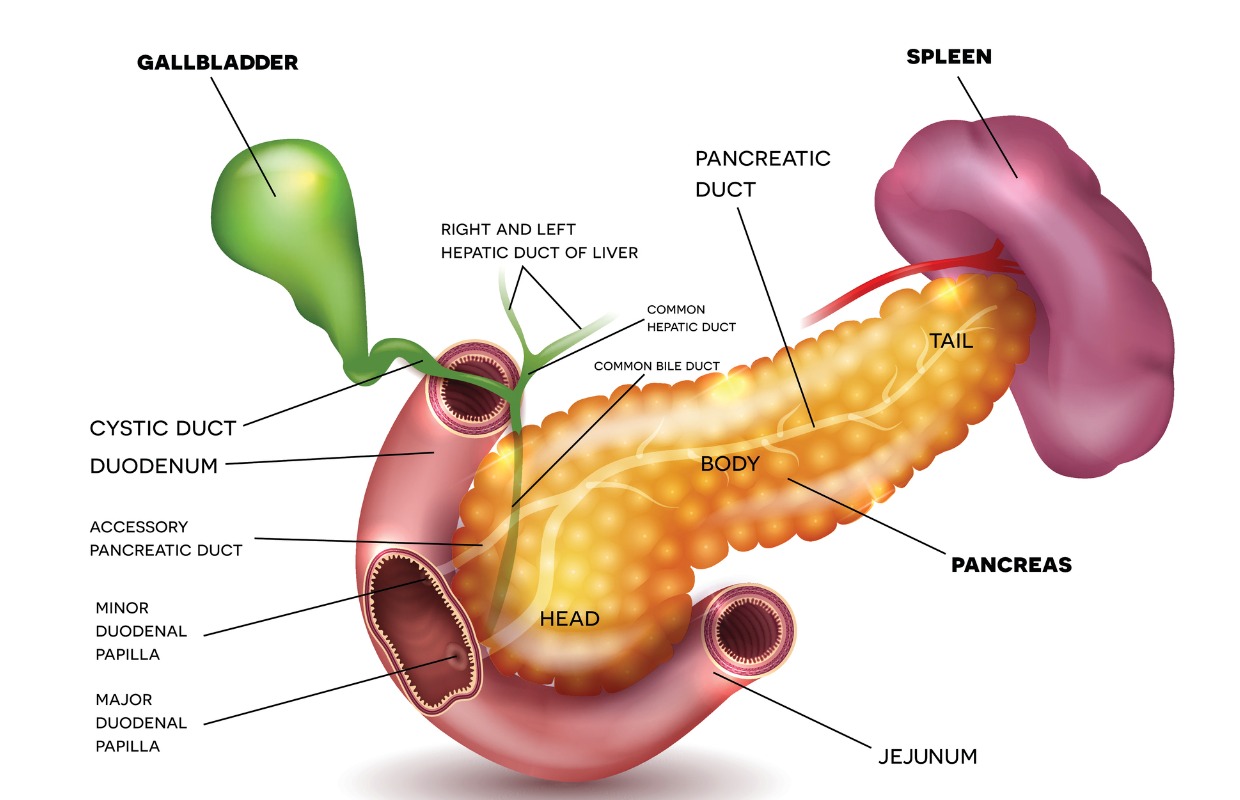
picture of pancreas and surrounding organs

Conditions Treated

Cholangiocarcinomas

This type of cancer refers to those malignancies occurring in the organs of the biliary system. These include cancers of the pancreas, gallbladder, and bile ducts. Early diagnosis is important because it can lead to better treatment options and a higher chance of long-term survival.

Gallstones

Stone-like objects that develop in the gallbladder or bile ducts. They can range in size from a tiny grain of sand to a golf ball. People who experience symptoms usually require gallbladder removal surgery. Gallstones that don’t cause any signs and symptoms typically don’t need treatment. Make an appointment with your doctor if you have any signs or symptoms that worry you. Seek immediate care if you develop signs and symptoms of a serious gallstone complication such as abdominal pain so intense that you can’t sit still or find a comfortable position, yellowing of your skin and the whites of your eyes (jaundice), high fever with chills.

Pancreatitis

Inflammation (swelling) of the pancreas. This can cause the release of inflammatory cells and toxins that may harm your lungs, kidneys and heart. There are many conditions that can lead to pancreatitis, but the main causes are gallstones or heavy alcohol use. The condition can flare up suddenly or be a long-lasting problem, which can lead to permanent damage of the pancreas.

Cholecystitis

Inflammation of the gallbladder. The gallbladder stores bile and releases it after you eat a meal. Cholecystitis is commonly caused by gallstones that have blocked your cystic duct, which prevents bile from exiting your gallbladder. If left untreated, cholecystitis can lead to serious, sometimes life-threatening complications, such as a gallbladder rupture. Treatment for cholecystitis often involves gallbladder removal.

Bile Duct Disorders

Some examples of bile duct disorders may include cancer, cholangiatis (infection of bile duct), bile duct leaks, biliary stricture (an abnormal narrowing of the bile duct), and biliary stones.

Tests and Procedures Offered

Endoscopic Retrograde Cholangiopancreatography (ERCP)

A specialized endoscopic technique used to study the bile ducts, pancreatic duct and gallbladder. Your doctor will pass an endoscope through your mouth, esophagus and stomach into the duodenum, then inject a contrast material (dye) into the pancreatic or biliary ducts while taking X-rays. ERCP’s are usually done to break up and remove stones, place stents to open blocked or narrowed ducts and to remove tumors or tissue samples for biopsy.

Endoscopic Ultrasonography (EUS)

A combination of endoscopy and ultrasound to create images of the digestive tract and its surrounding organs and tissues. Your doctor may also use EUS to help diagnose a number of digestive disorders. Some of these may include:  tissue sampling for cancer detection, staging of gastrointestinal cancers, and diagnosing problems in the bile ducts and gallbladder.

Cholecystectomy

A surgical procedure to remove your gallbladder. This is a common surgery and most of the time you may go home the same day of your surgery. A cholecystectomy is most commonly performed by inserting a tiny video camera and special surgical tools through four small incisions to see inside your abdomen and remove the gallbladder. This is called a laparoscopic cholecystectomy. In some cases, one large incision may need be used to remove the gallbladder. This is called an open cholecystectomy.

Pancreaticoduodenectomy (Whipple Procedure)

A surgery to remove a cancerous tumor from the head of the pancreas to stop it from spreading to other organs. During this procedure, surgeons remove the head of the pancreas, most of the duodenum (a part of the small intestine), a portion of the bile duct, the gallbladder and associated lymph nodes. In some cases, the surgeon may remove the body of the pancreas, the entire duodenum and a portion of the stomach. The surgery takes about six hours to complete and most patients stay in the hospital for about one to two weeks.

Distal Pancreatectomy

A surgery to remove the body and the tail of the pancreas. The spleen may also be removed. A distal pancreatectomy is usually done to remove benign (not cancer) or malignant (cancer) pancreatic tumors found in the body or tail of the pancreas, but it may also be done to treat chronic pancreatitis and injuries to the pancreas. In some cases, a distal pancreatectomy can be performed through a minimally invasive technique known as laparoscopy and in other cases, one large incision may need to be used to perform the procedure.

Request to be Contacted

Specialists

For Referring Physicians

At Covenant Health, we look forward to partnering with you in your patients’ care. When you refer a patient to us, you can count on:

  • A streamlined referral and order process
  • Dedicated physician liaisons to make the most of your relationship with Covenant Health
  • Updates throughout the process to stay up to date on your patient

How to Refer a Patient

For prompt processing, please fax your referral form with any medical records to the Fort Sanders Digestive Disease and Surgery Institute or call the Rapid Access Center for any urgent requests.

Our Location

Loading Next Page