
What Is Polyendocrine Metabolic Ovarian Syndrome (PMOS): Our New Understanding of Polycystic Ovary Syndrome (PCOS)

- 4 minute read.
- Last Updated: 8/3/2026
Polycystic ovary syndrome (PCOS) has long been recognized as a hormonal disorder that impacts women’s health. Now, it has a new name: polyendocrine metabolic ovarian syndrome (PMOS). This change provides a clearer picture of what is happening throughout the body and why the condition affects so much more than the ovaries.
Why the Name Changed
For years, the name PCOS caused confusion because many women with the condition do not have ovarian cysts. The old name focused on one organ, but the condition affects much more than the ovaries.
“PMOS is a whole-body condition that affects hormones, metabolism and overall health,” says Shannan Calhoon, CNM, with Covenant Health Hamblen Women’s Care. PMOS reflects what experts now better understand.
The change from PCOS to PMOS can help women and their physicians recognize the condition sooner and offer more clarity. When you understand what is happening in your body, you are more likely to seek care and stay engaged in your health. Early care can help lower risks and improve outcomes.
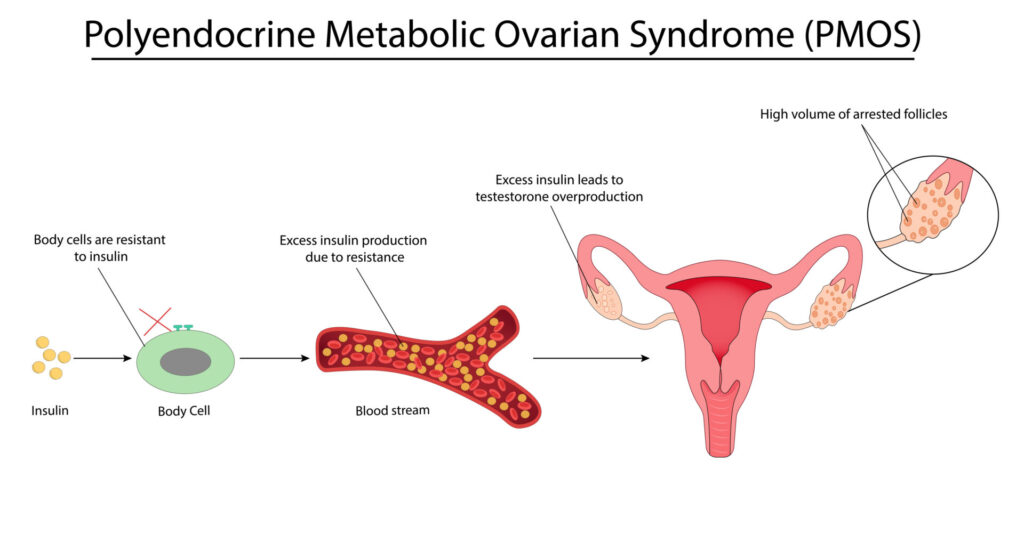
How Common is PMOS
PMOS is one of the most common hormone conditions in women, but many women do not realize they have it. It can affect your whole body, not just your reproductive system. Because PMOS can impact many different parts of the body, symptoms vary from patient to patient.
“Many women live with symptoms for years without answers. Paying attention to changes in your body and seeking care early can help identify the condition sooner,” says Shannan.
Symptoms of PMOS
“PMOS looks different for every patient. That is why care should never be one size fits all,” Shannan explains.
Common signs include:
- Irregular or missed periods
- Trouble getting pregnant
- Acne or skin changes
- Extra hair growth
- Weight changes
- Trouble processing insulin, leading to increased risk of diabetes over time
PMOS is often not diagnosed until someone tries to get pregnant. Early diagnosis can help lower long-term health risks and improve quality of life.
How Is PMOS Diagnosed
Diagnosing PMOS involves looking at the full picture of your health, not just one symptom. Your provider will talk with you about your medical history, menstrual cycle and any changes you have noticed.
Diagnosis may include a physical exam, blood tests to evaluate hormone and insulin levels and sometimes an ultrasound to look at the ovaries.
Because PMOS affects each patient differently, diagnosis is based on a combination of findings rather than a single test. Open communication with your provider is key. Sharing all symptoms, even ones that may not seem related, can help lead to an accurate diagnosis sooner.
Treatment and Management
There is no one-size-fits-all treatment for PMOS. “Care is tailored to each patient’s symptoms, health goals and stage of life,” Shannan shares.
Treatment may include:
- Lifestyle changes such as balanced nutrition, regular physical activity and good sleep habits
- Medications to help regulate periods, support hormone balance or improve how the body uses insulin
- Fertility support for those trying to conceive
Long-term care focuses on managing symptoms and lowering risks for conditions like diabetes and heart disease. With the right support, many women successfully manage PMOS and feel better day to day.
When to See a Doctor
It is important to listen to your body and not ignore ongoing changes.
“Getting answers sooner allows women to take control of their health and reduce long-term risks,” says Shannan.
You should consider seeing a provider if you notice:
- Irregular, missed or very heavy periods
- Difficulty getting pregnant
- Unexplained weight changes
- Persistent acne or skin changes
- Extra hair growth in new areas
Care That Is Close and Easy to Access
At Covenant Health, you do not have to travel far to find answers or support for PMOS.
Our patients benefit from:
- Convenient locations across East Tennessee
- Easy scheduling and quick access to care
- Strong teamwork between providers
Your provider will take time to listen, explain your options and create a plan that fits your needs.
Take the Next Step
If you are noticing changes in your cycle, weight, skin or overall health, reach out to Covenant Health Hamblen Women’s Care or find a provider near you.
About the Author
Covenant Health
Headquartered in Knoxville, Tennessee, Covenant Health is a not-for-profit, community-owned, healthcare enterprise committed to providing the right care at the right time and place. Covenant Health is the area’s largest employer and has more than 11,000 compassionate caregivers, expert clinicians, and dedicated employees and volunteers.