
Breast Self-Awareness: Knowing What’s Normal Could Make All the Difference

- 4 minute read.
- Last Updated: 10/5/2026

When it comes to breast health, the goal is not to perform a perfect monthly self-exam. Instead, experts encourage women to practice breast self-awareness by understanding what is normal for their bodies and speaking up when something changes.
According to Brooke Foulk, MD, of Fort Sanders Women’s Specialists, breast self-awareness has become the focus because it helps women recognize changes as they happen naturally in daily life.
“We used to really stress a self-breast exam,” says Dr. Foulk. “However, a broader concept of self-breast awareness is so much more important. If you are constantly aware of what your normal is, you are much more likely to notice something different.”
What Is Breast Self-Awareness?
Breast self-awareness is not a formal monthly checklist. Instead, it means being familiar with how your breasts normally look and feel during everyday activities.
That awareness may come while showering, getting dressed, applying lotion or noticing how your body changes throughout your menstrual cycle. The goal is simple: know your normal.
“When you are familiar with your baseline, you don’t have to wonder if a lump or structural change is new,” Dr. Foulk explains. “You’ll know right away and can comfortably report it to your doctor.”
Women should remember that breasts naturally change throughout life. Hormones, age, pregnancy, weight changes and other factors can affect how breasts look and feel. Some degree of asymmetry is also common and normal.
Changes You Shouldn’t Ignore
Most breast changes are not cancer. However, some symptoms should be evaluated by a healthcare provider, especially if they are new or persistent.
Dr. Foulk encourages women to seek medical attention if they notice:
- A new lump in the breast
- Skin dimpling, puckering, redness or swelling
- Nipple pain or a nipple that turns inward
- Unexpected nipple discharge
- Swollen lymph nodes near the armpit or collarbone
Fortunately, many breast concerns turn out to be benign. Still, it is important not to delay care.
“The first thing to do is to not get scared,” says Dr. Foulk. “Almost all of the symptoms women notice with their breasts end up being a benign change and nothing to worry about. However, it is very important to get things checked out if they are concerning, different or persistent.”
Don’t Let Fear Delay Answers
Finding a lump can feel overwhelming, but Dr. Foulk reminds patients that most breast lumps are not cancerous.
“It is completely natural to feel anxious or panicked if you find a lump, but it is important to remember that the vast majority of breast lumps turn out to be non-cancerous,” she says.
Rather than worrying, she encourages women to make an appointment and get answers. Early evaluation can provide peace of mind and, if treatment is needed, improve outcomes.
“Taking action is not confirmation that something is wrong. It is simply taking excellent care of yourself,” Dr. Foulk says.
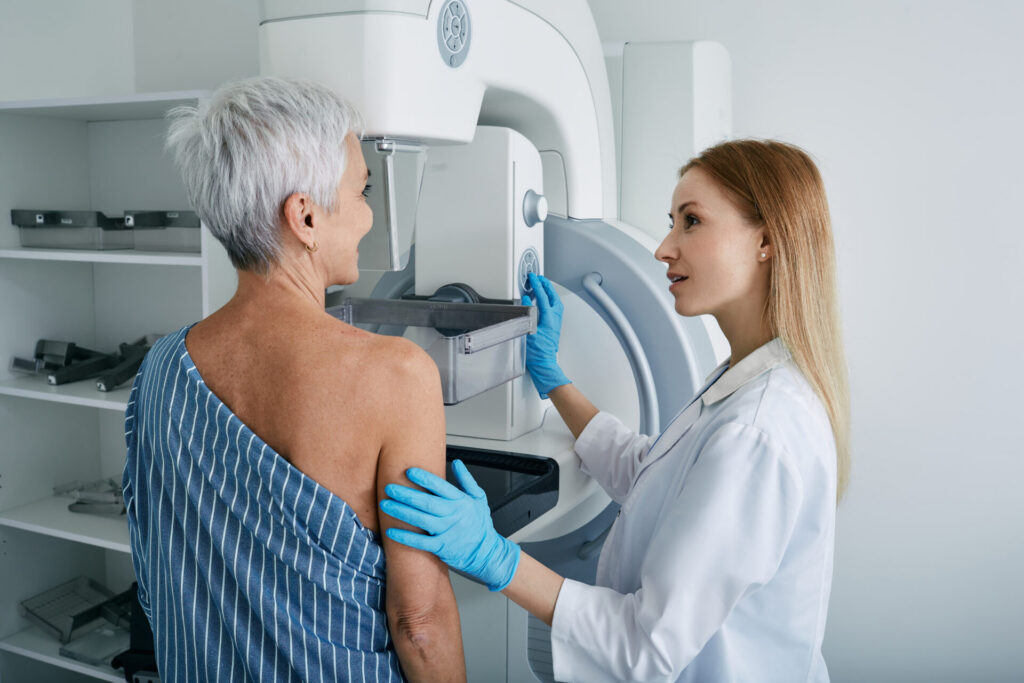
Screening Still Matters
Breast self-awareness is important, but it does not replace routine screening mammograms.
Dr. Foulk recommends that women at average risk begin annual screening mammograms at age 40. Women with certain risk factors, including a strong family history, genetic mutations or previous chest radiation, may need earlier or additional screening.
One of the biggest misconceptions she sees is the belief that breast cancer only affects women with a family history.
“If there is one massive, widespread misconception to dispel, it is the belief that ‘I don’t have a family history of breast cancer, so I don’t need to worry about screening yet,'” Dr. Foulk says. “About 75% to 80% of women diagnosed with breast cancer have absolutely no family history of the disease.”
Partnering in Your Breast Health
Covenant Health women’s health specialists provide breast care, screening services and personalized guidance for women at every stage of life.
“If you remember nothing else, remember this: Your body is entirely your own, and you are its most important expert,” says Dr. Foulk.
Knowing your normal, staying current on recommended screenings and speaking up when something feels different can help you take an active role in your health.
If you’re due for a mammogram or have noticed a change in your breasts, schedule an appointment with a Covenant Health provider. Screening mammograms can also be self-scheduled at many Covenant Health Breast Center locations. Early evaluation can provide peace of mind and, when needed, lead to earlier treatment and better outcomes.
About the Author
Covenant Health
Headquartered in Knoxville, Tennessee, Covenant Health is a not-for-profit, community-owned, healthcare enterprise committed to providing the right care at the right time and place. Covenant Health is the area’s largest employer and has more than 11,000 compassionate caregivers, expert clinicians, and dedicated employees and volunteers.
