Newborn Screenings: Simple Tests That Can Make a Lifelong Difference
- 4 minute read.
- Last Updated: 9/11/2026
The first days of a baby’s life are full of important milestones. One of the most important occurs before your newborn ever leaves the hospital: newborn screenings. These simple tests can help identify serious health conditions early, often before symptoms appear, giving families and healthcare providers the chance to act quickly and protect a child’s health.
“Early detection allows for early intervention,” says Danielle Pipkin, MD, at Fort Sanders Women’s Specialists. “Newborn screening can identify conditions that may not be obvious at birth but can have significant long-term effects if left untreated.”
Newborn screenings are a standard part of newborn care and are offered to all babies before they leave the hospital. The goal is simple: identify potential health concerns as early as possible so treatment can begin quickly if needed.
Why Newborn Screening Matters
Many babies born with certain health conditions appear healthy at birth. Without screening, families may not know there is a problem until symptoms develop weeks or months later.
Newborn screenings can detect several conditions that require early treatment.
Identifying conditions early allows treatment to start sooner. This can improve outcomes and help children stay healthier.
What Screenings Does My Baby Receive?
Newborn screening is made up of three important tests. Together, these screenings help identify conditions that may not show symptoms right away but could benefit from early treatment.
Blood Spot Screen
A few drops of blood are taken from your baby’s heel and placed on a special card. The sample is then sent to the state laboratory for testing.
“Early screening can allow for detection of several metabolic disorders,” Dr. Pipkin says. “In conditions such as phenylketonuria (PKU), diet changes and specialized formula are essential to help prevent long-term complications.”
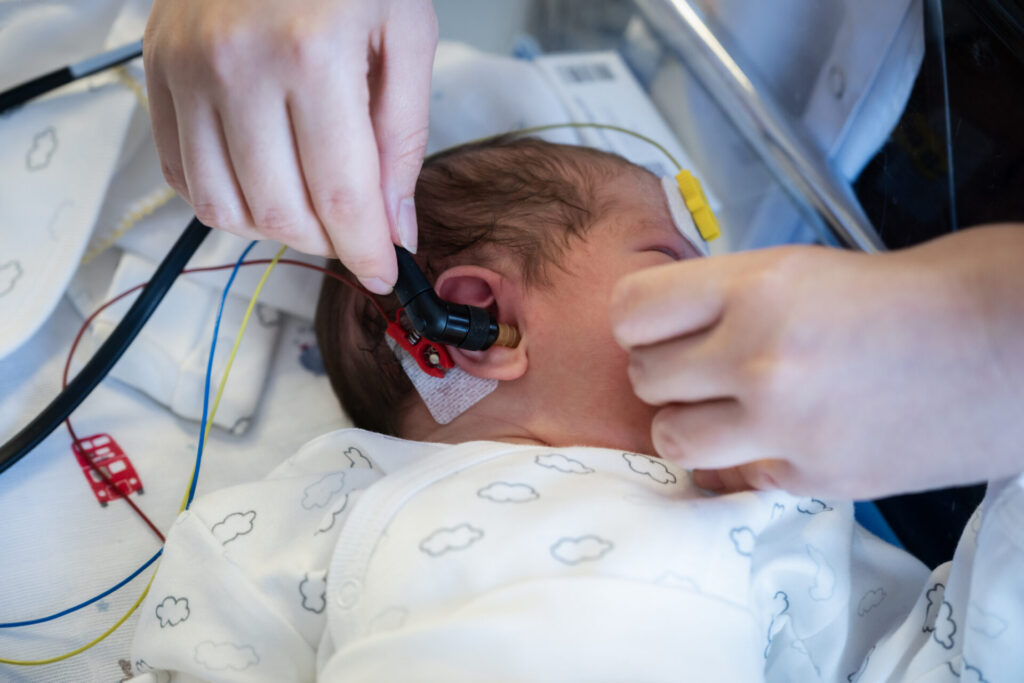
Hearing Screen
A safe and painless hearing test measures how a baby responds to sound. Early identification of hearing loss can help children receive support and services that are important for speech and language development.
“If an infant does not pass the hearing test, we can repeat it as an outpatient to make the process easier and more convenient for families,” Dr. Pipkin says.
Heart Screen
A simple screening using a small sensor placed on a baby’s skin measures oxygen levels to help detect critical congenital heart disease, also known as CCHD. Identifying heart conditions early can help babies receive timely evaluation and care.
These screenings are typically completed when a baby is 24 to 48 hours old. Tests performed outside this timeframe may be less accurate and may need to be repeated.
“The screening labs are non-invasive with a low false positive rate,” Dr. Pipkin says. “Most importantly, early detection can lead to early intervention.”
Expert Support for New Families
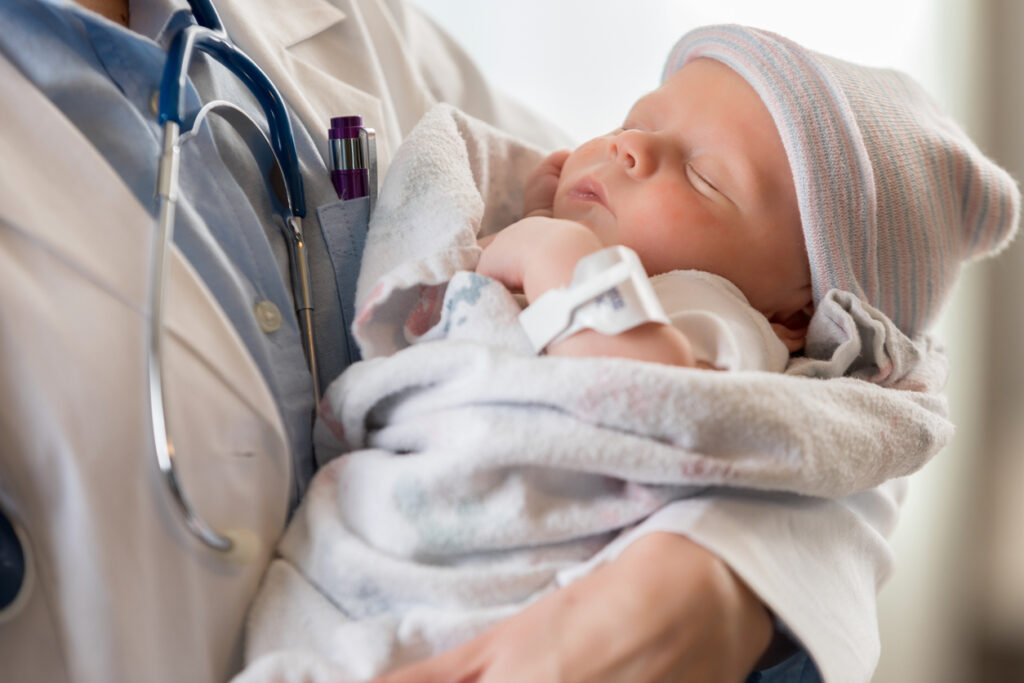
Having a newborn often comes with questions, and families do not have to navigate them alone.
“The nursery staff is happy to answer any questions patients may have,” Dr. Pipkin says. “A member of our pediatric team rounds daily and serves as another source of information for families.”
Families also benefit from the expertise of specialists who partner with the care team.
“Staff members from Dolly Parton Children’s Hospital, including neonatologists and nurse practitioners, often round in our nursery,” Dr. Pipkin says. “They have a wealth of information and experience to share with our patients.”
This collaborative approach helps ensure families receive trusted guidance during their hospital stay and after they return home.
An Important Step After Birth: Vitamin K
Dr. Pipkin also encourages families to consider Vitamin K for their newborn.
Newborns naturally have low levels of Vitamin K at birth. A Vitamin K injection given shortly after delivery can help reduce the risk of a rare but serious bleeding condition known as Vitamin K deficiency bleeding.
This preventive measure has been used safely for decades and helps protect babies during their first months of life.
Compassionate Care Close to Home
At Covenant Health, newborn screenings are one of many ways we support families from the very beginning. From routine screenings and hearing tests to access to pediatric specialists and experienced nursery staff, our team is committed to providing convenient, high-quality care for mothers and babies.
Schedule an appointment today to talk with your healthcare provider about newborn screenings and learn how these simple tests can help protect your child’s future.
About the Author
Covenant Health
Headquartered in Knoxville, Tennessee, Covenant Health is a not-for-profit, community-owned, healthcare enterprise committed to providing the right care at the right time and place. Covenant Health is the area’s largest employer and has more than 11,000 compassionate caregivers, expert clinicians, and dedicated employees and volunteers.
