Understanding Cholesterol and What It Means for Your Health
- 4 minute read.
- Last Updated: 7/9/2026
Cholesterol can quietly build up in your body and raise your risk for serious illnesses like heart disease and stroke. The good news is that it’s something you can manage. With simple lifestyle changes and support from Covenant Health, you can take steps to improve your health.
What is Cholesterol?
Cholesterol is a fat-like substance found in your blood. Your body needs some cholesterol to function properly. It plays a role in building cells and producing certain hormones. However, too much cholesterol can lead to serious health concerns.
There are two main types of cholesterol:
- LDL (low-density lipoprotein) is known as “bad” cholesterol. It can build up in your arteries, reducing blood flow and increasing your risk for heart disease.
- HDL (high-density lipoprotein) is known as “good” cholesterol. It helps remove excess cholesterol from your bloodstream, protecting your heart and arteries.
When LDL levels are too high or HDL levels are too low, your risk for heart conditions increases.
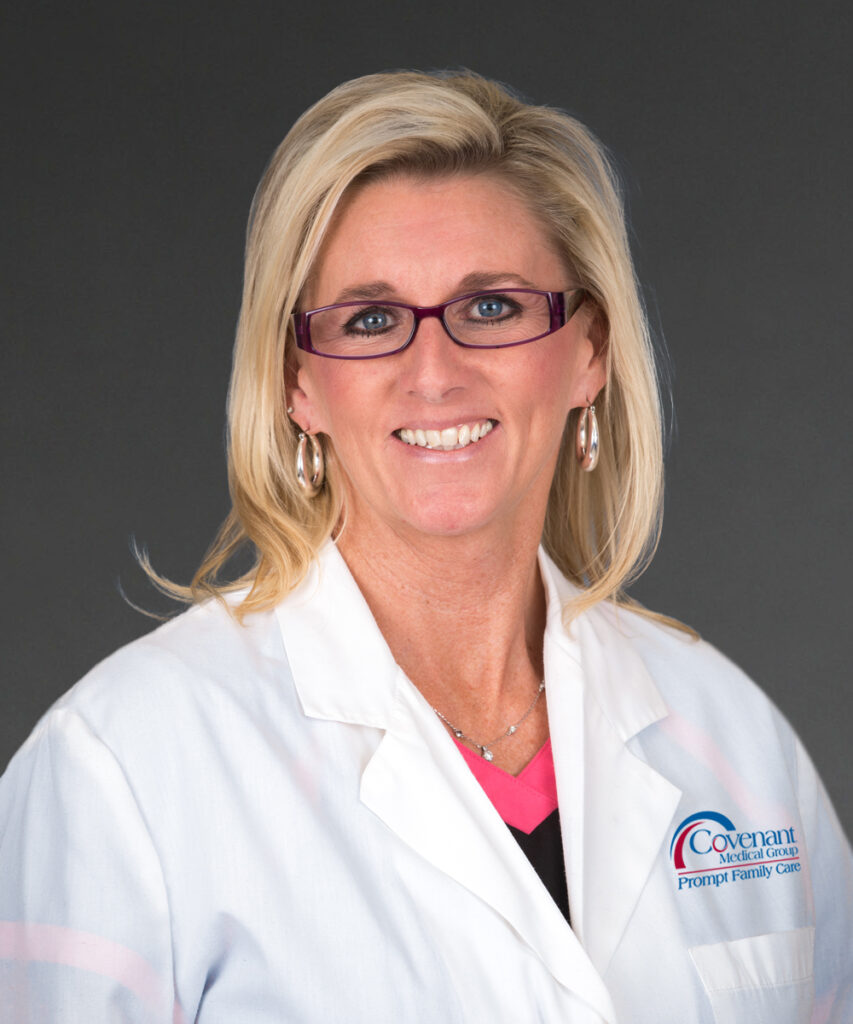
“Many people do not feel symptoms when their cholesterol is high. That is why regular checkups are so important,” says Tina Hall, APRN-BC at Covenant Health’s Prompt Family Care South.
High cholesterol is also commonly linked to high blood pressure. When cholesterol is high, it becomes harder for the body to pump blood through the narrowed arteries.
Why Cholesterol Matters
High cholesterol can lead to plaque buildup in your arteries. Over time, this plaque can narrow or block blood vessels, limiting blood flow to your heart and brain. This significantly increases your risk of:
- Heart attack
- Stroke
- Other cardiovascular conditions
According to the Centers for Disease Control and Prevention (CDC), heart disease is the leading cause of death for men and women in the United States. But it is also one of the most preventable. Tina emphasizes, “Small changes can make a big difference. We work with patients every day to help them lower their risk and live healthier lives.”
What Causes High Cholesterol?
Several factors can raise your cholesterol, including:
- Eating foods high in saturated fat
- Not getting enough exercise
- Smoking
- Being overweight
- Family history
- Age
How to Check Your Cholesterol
A simple blood test can measure your cholesterol levels. Your provider will explain your numbers and what they mean for you.
Regular screenings help catch problems early. This is key to protecting your heart.
At Covenant Health, we make it easy to get care close to home. With convenient locations and flexible appointment times, you can stay on track without disrupting your schedule.
Steps to Improve Your Cholesterol
You have the power to improve your numbers. Start with small, steady steps:
- Eat heart healthy foods: Choose fruits, vegetables, whole grains and lean proteins. Limit foods high in saturated fat.
- Stay active: Try to get at least 30 minutes of movement most days. Walking is a great place to start.
- Quit smoking: Stopping smoking can improve your HDL levels and overall health.
- Take medications if needed: Some people need medicine to manage cholesterol. Your provider will help you decide what is best for you.
Tina says, “Every patient is different. We create care plans that fit each person’s needs and goals.”
Care You Can Trust Close to Home
Covenant Health offers expert care backed by experience and compassion. Our providers use the latest tools to monitor and treat cholesterol. We focus on prevention, early detection and long-term wellness.
From primary care visits to heart specialists, our team is here for you. You will find care that is reliable, local and easy to access. Schedule a checkup with Covenant Health today and take control of your heart health.