Episode 2 of Covenant Health Conversations: Advancing Cancer Care Close to Home
- 4 minute read.
- Last Updated: 7/8/2026
Covenant Health Conversations is a new video podcast series designed to take listeners inside Covenant Health. We’re bringing together physicians, leaders and team members to highlighting the people, innovation and purpose shaping care across our region.
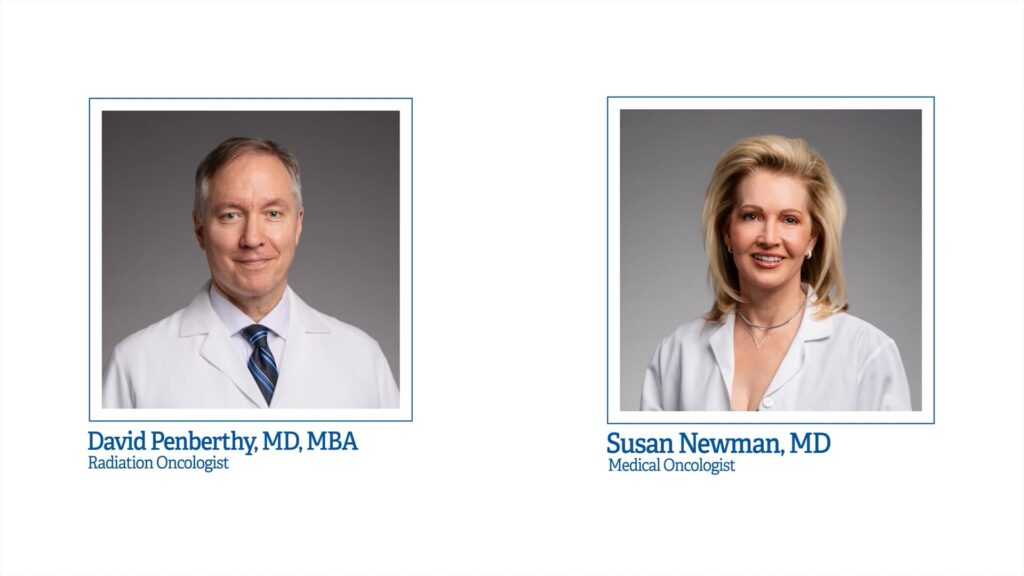
In Episode two, radiation oncologist David Penberthy, MD, MBA, and medical oncologist Susan Newman, MD, joined to talk about cancer care. Dr. Penberthy serves as the executive medical director of oncology services at Covenant Health, and Dr. Newman is our medical director of the breast cancer program. Together, they offered insight into the rapidly evolving world of oncology and the comprehensive care available right here in our community.
A Conversation Centered on Cancer Care
One of the most powerful themes throughout this episode was the growing role of prevention and lifestyle in cancer care. Dr. Newman emphasized that today’s approach goes far beyond treatment alone: “We’re learning that diet and exercise for a cancer diagnosis is just as important as for somebody that has heart disease or diabetes.”
She underscored that even after treatment, healthy living plays a critical role in recovery and long-term outcomes. She shared that “exercise is actually the number one thing” patients can do to help reduce recurrence in certain cancers.
Innovation That’s Changing Lives
The conversation also highlighted how advanced technology and treatments are reshaping what’s possible in oncology. From targeted therapies to immunotherapy, patients today have more options and positive outcomes than ever before.
Dr. Penberthy pointed to the cutting-edge capabilities available at Covenant Health, including proton therapyand precision diagnostics: “We have some of the best technology available in radiation oncology, right here in Knoxville, Tennessee.”
The physicians also discussed groundbreaking developments like identifying cancer DNA in the bloodstream. This innovation could transform early detection and monitoring.
These advancements are part of a larger shift in how cancer is understood and treated. What was once considered a devastating diagnosis is increasingly being managed as a chronic condition thanks to new therapies and earlier detection.
“There’s something new every day. There are all kinds of therapies becoming available,” Dr. Newman explained. “Mortality rates are decreasing and survival rates are increasing.”
Prevention, Screening and Taking Control
Another key takeaway from the episode was the importance of preventive and proactive care. Both physicians stress that early detection through screenings can save lives and often lead to less invasive treatment.
Dr. Penberthy emphasized, “I think the best cancer to treat is one that actually never occurs.”
He shared a perspective that reflects Covenant Health’s commitment to prevention: “We are seeing tremendous successes that we have never seen before… We’re finding it at a much more treatable state.”
Dr. Newman added, “Covenant is truly on the cusp of excellence here. We have the facilities; we have the technology. We have the physicians.”
A Team Approach to Compassionate Care
Beyond the technology and treatments, Episode two shines a light on the people behind the care. From physicians and surgeons to nurse navigators and support staff, Covenant Health’s oncology program is truly a team effort. Each person is dedicated to guiding patients through every step of their journey.
The discussion serves a reminder that while cancer care can be complex, patients are never alone. They are supported by a network of experts committed to delivering exceptional care with compassion.
Listen Now
This episode is an inspiring look at the progress and dedicated professionals leading the way in cancer care. Whether you’re a team member, patient or part of the community, this conversation offers valuable insight and encouragement.
Take a moment to listen to episode two and hear directly from the experts who are shaping the future of oncology in our region.