Imaging Services at Covenant Health Fort Loudoun
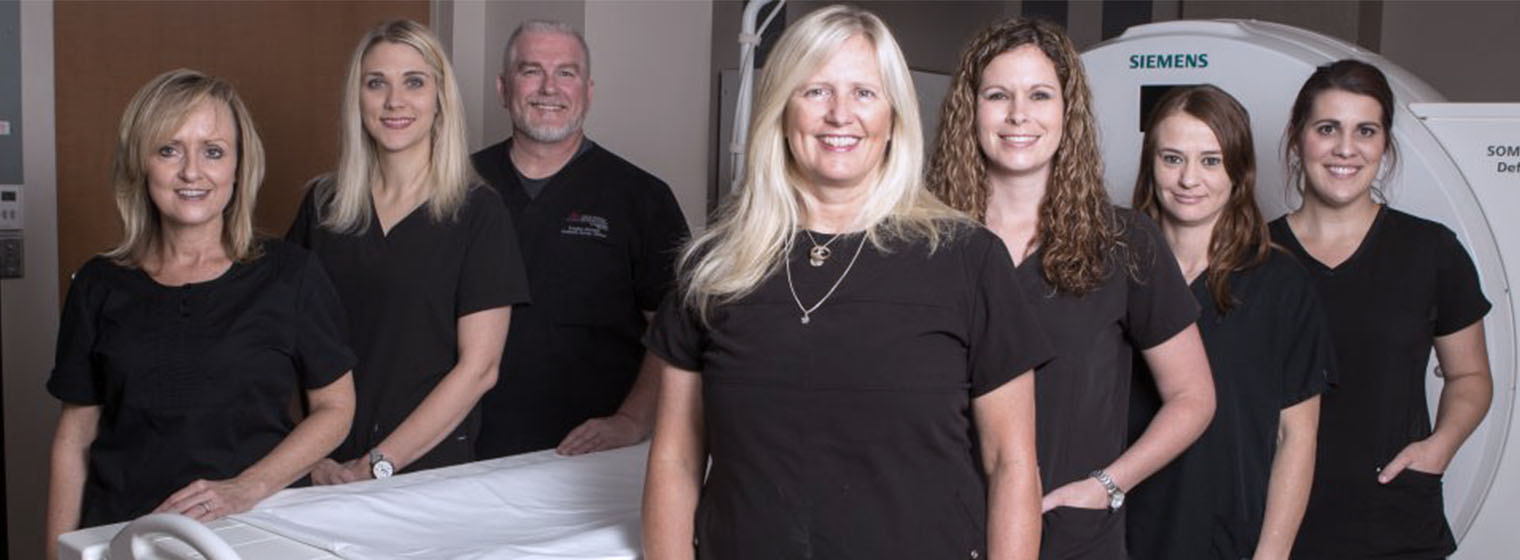
Advanced Imaging Services Close to Home
It’s comforting to know you have easy access to advanced imaging and diagnostic services at Covenant Health Fort Loudoun.
Our comprehensive array of services includes a full-service clinical laboratory, digital mammograms, high-definition magnetic resonance imaging (MRI), CT scans, Low-Dose CT scans for lung cancer screenings, echocardiography, a vascular flow lab, and the most advanced nuclear medicine technology in the region. Your results are quickly transmitted back to your physician, who can work with you to make the best, most informed decisions for your care.
You don’t have to leave town for top-quality imaging/diagnostic services and medical care. Choose quality care close to home and trust your medical care to Covenant Health Fort Loudoun.
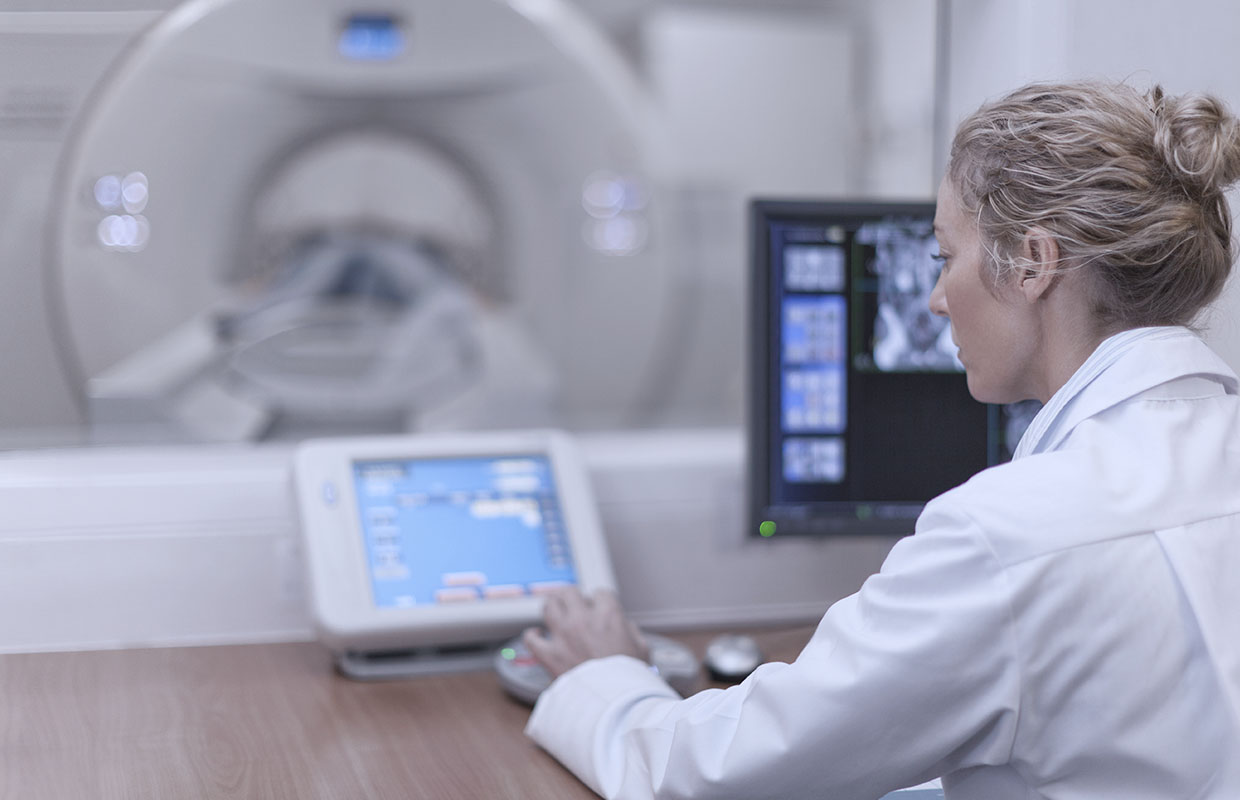
A Trained Staff Dedicated to Excellent Patient Care
When you need laboratory or diagnostic tests, ask your doctor to refer you to the excellent care close to home at Covenant Health Fort Loudoun. Your community hospital has full capabilities that combine state-of-the-art medical technology with personalized care.
As a member of Covenant Health, we pledge to put our patients first and to strive for excellence in everything we do. We’re honored to be a part of this health system, and to provide the best in comprehensive, quality healthcare services.

What Imaging and Diagnostic Services Do We Offer?
We are proud to offer you a wide range of advanced diagnostic and imaging services at our convenient Loudon County location.
Access to Cutting-Edge Technology Like the GE Infinia Hawkeye 4
Covenant Health Fort Loudoun is the only hospital in the region to offer the GE INFINIA™ HAWKEYE®, a revolutionary combined nuclear medicine/CT system that collects both anatomical and biological information during a single exam.
The Hawkeye’s integrated CT solution harnesses the power exclusive single-photon emission computed tomography (SPECT)/CT imaging to accurately detect and pinpoint disease.
The new system delivers unprecedented image resolution and reconstruction. The Hawkeye’s SPECT images focus on detecting metabolic abnormalities earlier than they would otherwise be seen with CT alone. This image quality is important, as physicians are able to make more accurate assessments of disease states and prescribe proper therapy methods, often resulting in better patient care.
Bone Density Screening
Covenant Health Fort Loudoun offers bone density screenings, which are used to detect bone changes such as osteopenia or osteoporosis. The diagnostic information is faster and more accurate than procedures used in the past. The technology comes at a time when medical specialists are reporting new treatments that may help patients regenerate bone mass – and partially reverse the effects of osteoporosis.
Our technology also provides detection for advanced hip and vertebral problems in men and women.
CT Scans
Computed tomography (CT) scans have been in use since the late 1960s. Sometimes they’re called computerized axial tomography (CAT) scans. They combine the power of X-rays and computers to create anatomical images of different parts of the body.
These scans reveal bone and soft tissues, muscles, tumors, and cardiac images. CT greatly helps doctors with diagnoses, surgery, and treatment. For example, in radiation therapy, the right dose for a patient depends on knowing the precise density, size, and location of a tumor.
Covenant Health Fort Loudoun also offers Low-Dose Computerized Tomography (LDCT) for lung cancer screening, which uses low doses of radiation to detect lung cancers earlier, when treatment is more likely to be effective.
Mammography
We use the latest in digital tomosynthesis (3D) mammography technology to obtain clearer images for more accurate diagnosis, even among women who have dense breast tissue. The technology cuts scan time in half, and the user-friendly design of our equipment means greater comfort for women during breast screenings.
MRI Scans
With our state-of-the-art MRI scanner, we offer various types of body imaging. Because magnetic resonance imaging (MRI) gives such clear pictures, it is an excellent screening for diagnosing many problems. For instance, an MRI is often used to diagnose sports injuries. Thanks to its precision, doctors can detect tears in tissue, tumors, swelling, and problems with joints and bones.
MRI pictures are amazingly clear and detailed. Rather than using radiation, the technology is based on radiofrequency waves and a strong magnetic field. The resulting images help identify cancer, heart and vascular disease, stroke, joint and musculoskeletal problems, and other disorders.
Nuclear Medicine
Covenant Health Fort Loudoun offers nuclear medicine for myocardial (heart) imaging, cancer, and fracture scans. This tool often spots abnormalities early in disease progression. It also provides a way to gather information that otherwise might be unavailable or would require surgery or more expensive diagnostic tests.
Nuclear medicine specialists use safe, painless techniques to get body images and treat disease. Patients are given small amounts of radioactive materials (radiopharmaceuticals). The radiopharmaceuticals go directly to the organ being treated, allowing for precise imaging. The “radiotracers,” as they are sometimes called, are tracked by sophisticated systems that collect the images and send the information to computers so that nuclear medicine technologists can process them.
Nuclear medicine is used to:
- Analyze kidney function
- Provide images of blood flow and heart functioning
- Scan lungs for respiratory and blood-flow problems
- Identify gallbladder blockages
- Evaluate bones for fractures, infection, arthritis, or tumors
- Determine the presence or spread of cancer
- Identify bleeding in the bowel
- Locate infections
- Measure the thyroid for overactive or underactive functioning
Picture Archival and Communication System (PACS)
This technology allows images to be electronically captured, stored, and transmitted, all without film.
PACS makes high-quality MRI, CT, X-ray, and ultrasound pictures immediately available by computer, with clear images that can result in a more accurate diagnosis. Doctors can readily view any images taken at Covenant Health Fort Loudoun and other locations in the Covenant Health system. Patients no longer need to carry X-rays from place to place.
Ultrasound
Ultrasound uses sound waves to create images of internal organs while they are functioning. It can also be used to assess blood flow and to determine the form or size of an organ. Physicians use ultrasound for specialty areas such as women’s care and heart care, and to obtain images of blood vessels, the abdomen, thyroid, and other areas.
Ultrasounds for heart patients (echocardiograms) allow physicians to detect decreases in the supply of blood and oxygen to the heart, as well as detecting irregular heartbeats.
Benefits of ultrasound include more comprehensive and reliable data, faster tests, and improved patient comfort.