Lung Cancer Screening at Covenant Health
A low-dose CT lung cancer screening is an effective tool for detecting lung cancer early. Schedule yours today.

What is a Low-Dose CT Scan?
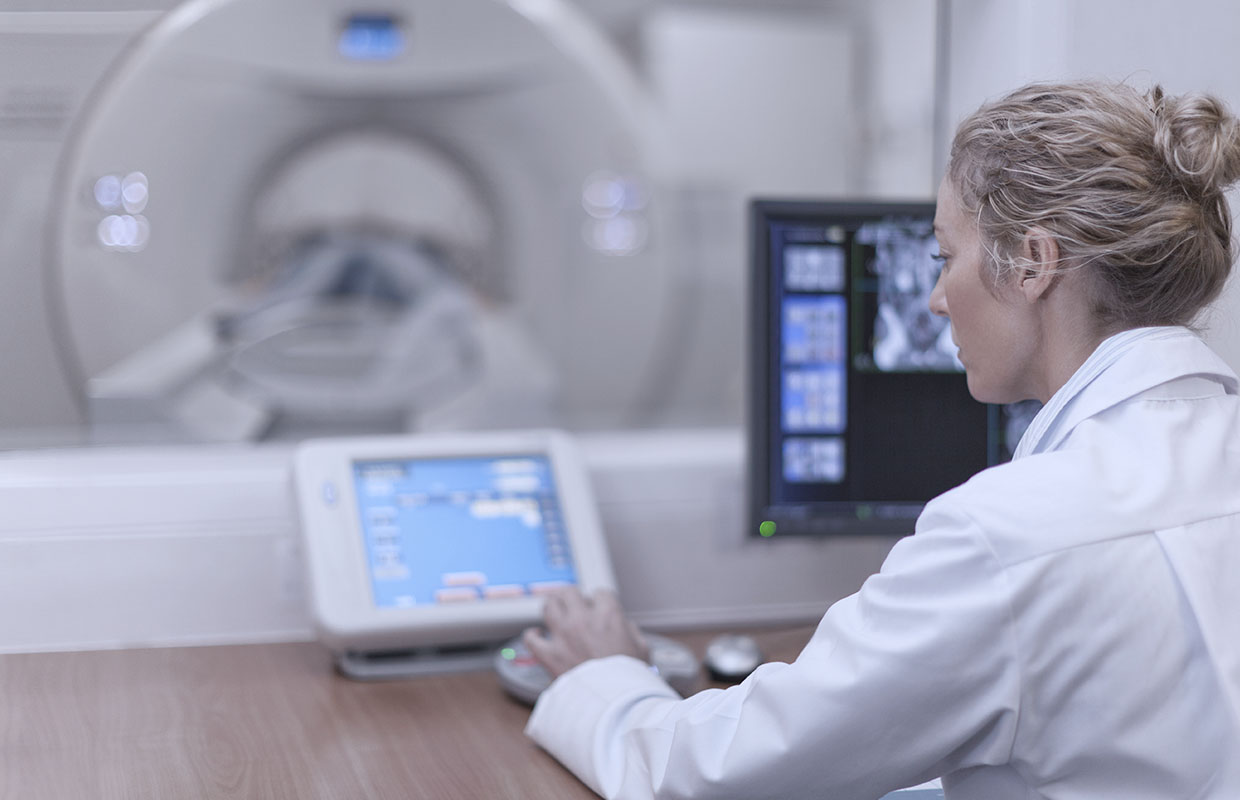
Lung cancer screenings create detailed pictures of the lungs to detect early signs of lung cancer. Covenant health offers low-dose CT scanning, a unique screening that uses lower amounts of radiation than standard chest CT imaging while still providing high-quality images of the lungs.
Low-dose CT scans can identify cancer earlier, when it is more treatable. Because of early detection, studies show that low-dose CT can lower death rates by 20% in people who are at high risk.

Who Should Have a Lung Cancer Screening?
You should be screened if you are between the ages of 55−80 and have a smoking history of at least one pack of cigarettes a day for 20 years (one pack-year = smoking one pack per day for one year; 1 pack = 20 cigarettes). This includes people who have quit within the past 15 years. Other risk factors include:
-
- Personal history of cancer
- Emphysema
- Pulmonary fibrosis
- Family history of lung cancer
- Exposure to certain substances, including asbestos, arsenic, beryllium, cadmium, chromium, diesel fumes, nickel, radon, silica and uranium.

What to Expect With LDCT Screening
- The screening is painless and takes about 10 seconds.
- This procedure is non-invasive and requires no medication.
- You will lie still on a table as it passes through the center of the CT scanner, which is a large, doughnut-shaped machine.
- You may be asked to hold your breath one or more times during the scan.
- You can eat and drink as usual before and after the exam.
- Your results will be sent to your primary care physician/provider.
Schedule a Screening Today
Ask your primary care provider whether you qualify for a lung cancer screening, or speak with a call center representative for scheduling assistance.
Request Lung Cancer Screening
Lung Cancer Screening Locations
Lung cancer screenings require a physician order. Ask a primary care provider whether you qualify for a lung cancer screening at one of our locations below, or contact our call center at (865) 541-4500 for assistance finding a provider.
-

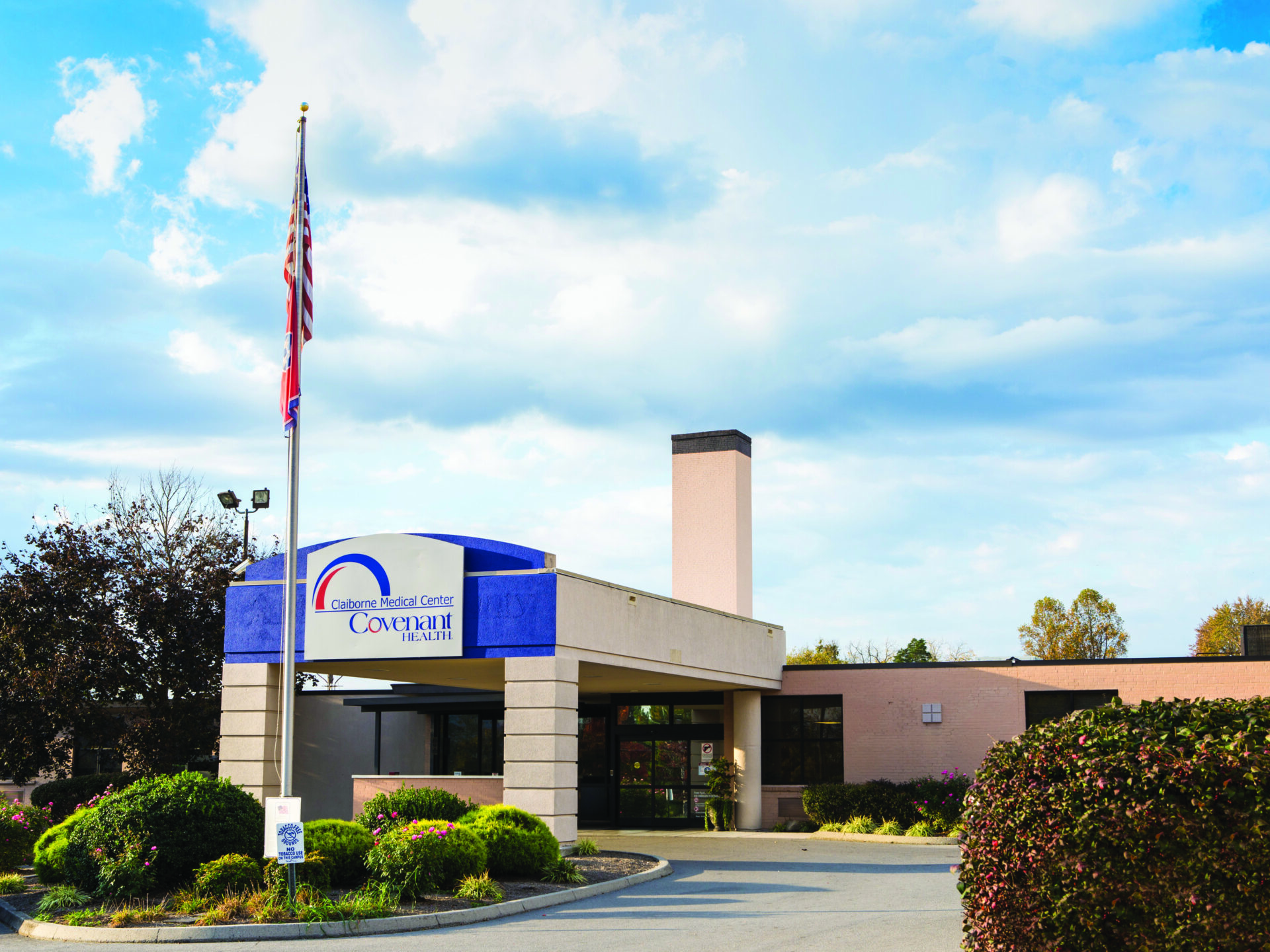
Covenant Health Claiborne
Find a Primary Care DoctorDirections: 1850 Old Knoxville Rd, Tazewell, TN 37879
Hours: Open 24 hours
Scheduling Assistance: (865) 541-4500
-

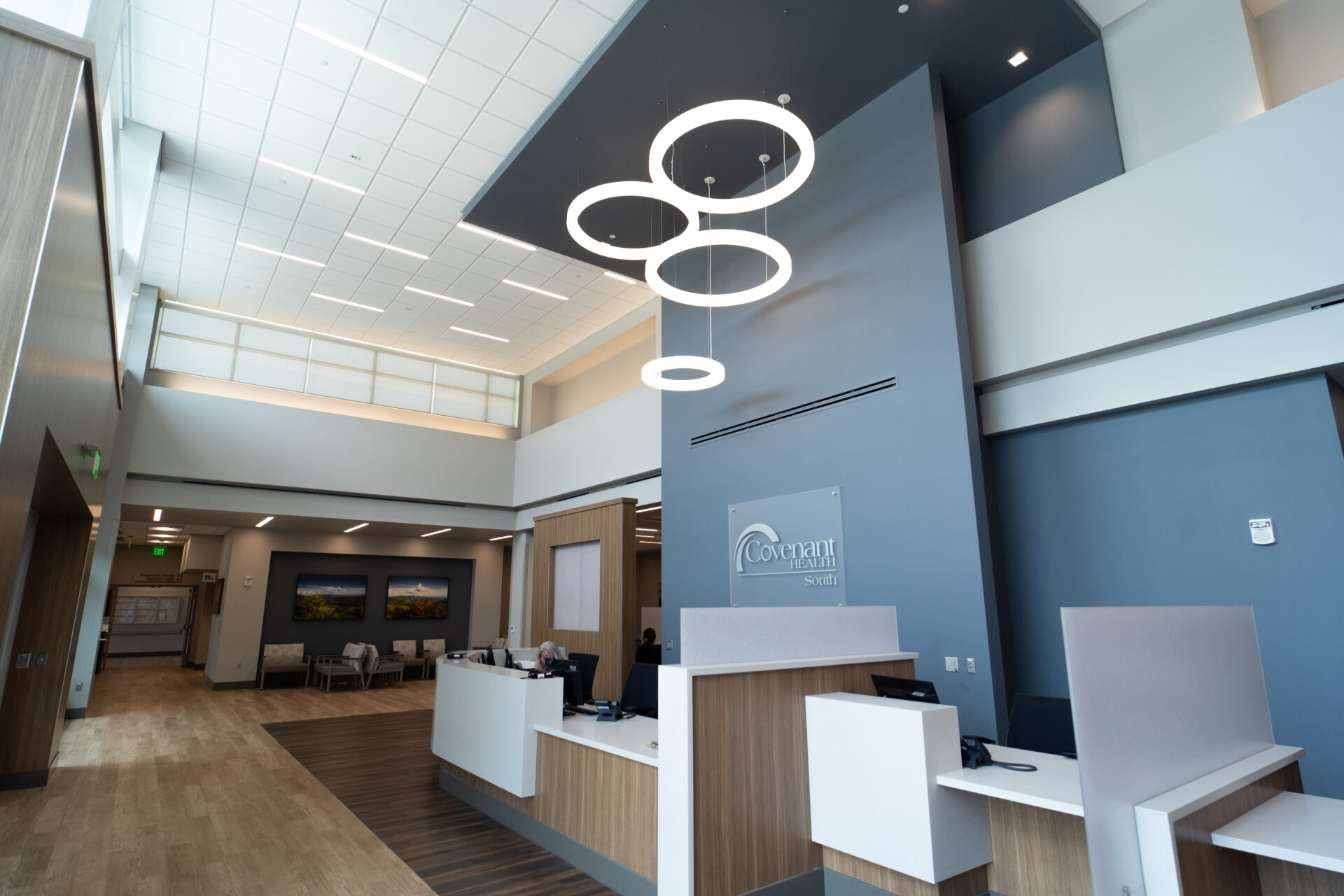
Covenant Health South
Find a Primary Care DoctorDirections: 7625 Chapman Highway, Knoxville, TN, 37920 | Suite 103
Hours: Monday-Friday, 8 AM – 5 PM
Scheduling Assistance: (865) 375-8922
-

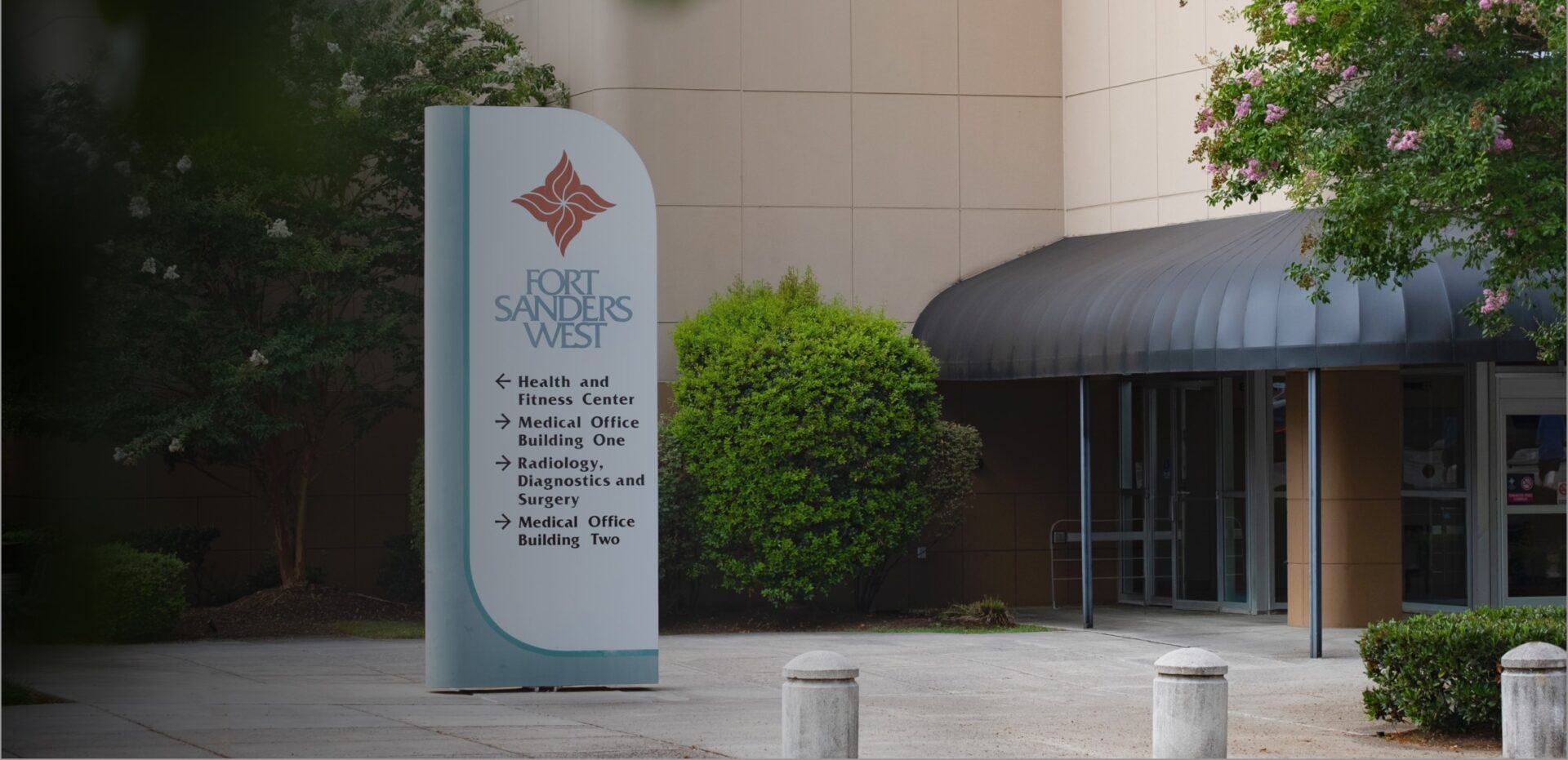
Covenant Health West Diagnostics
Find a Primary Care DoctorDirections: 280 Fort Sanders West Blvd, Knoxville, Tennessee 37922
Hours: Monday – Friday, 8 AM – 4:30 PM
Scheduling Assistance: (865) 531-5279
-

Cumberland Outpatient Center – Fairfield Glade
Find a Primary Care DoctorDirections: 132 Stonehenge Drive, Fairfield Glade, TN 38558
Hours: Monday – Thursday, 8 AM – 4 PM; Friday 8 AM – Noon
Scheduling Assistance: (931) 484-5141
-

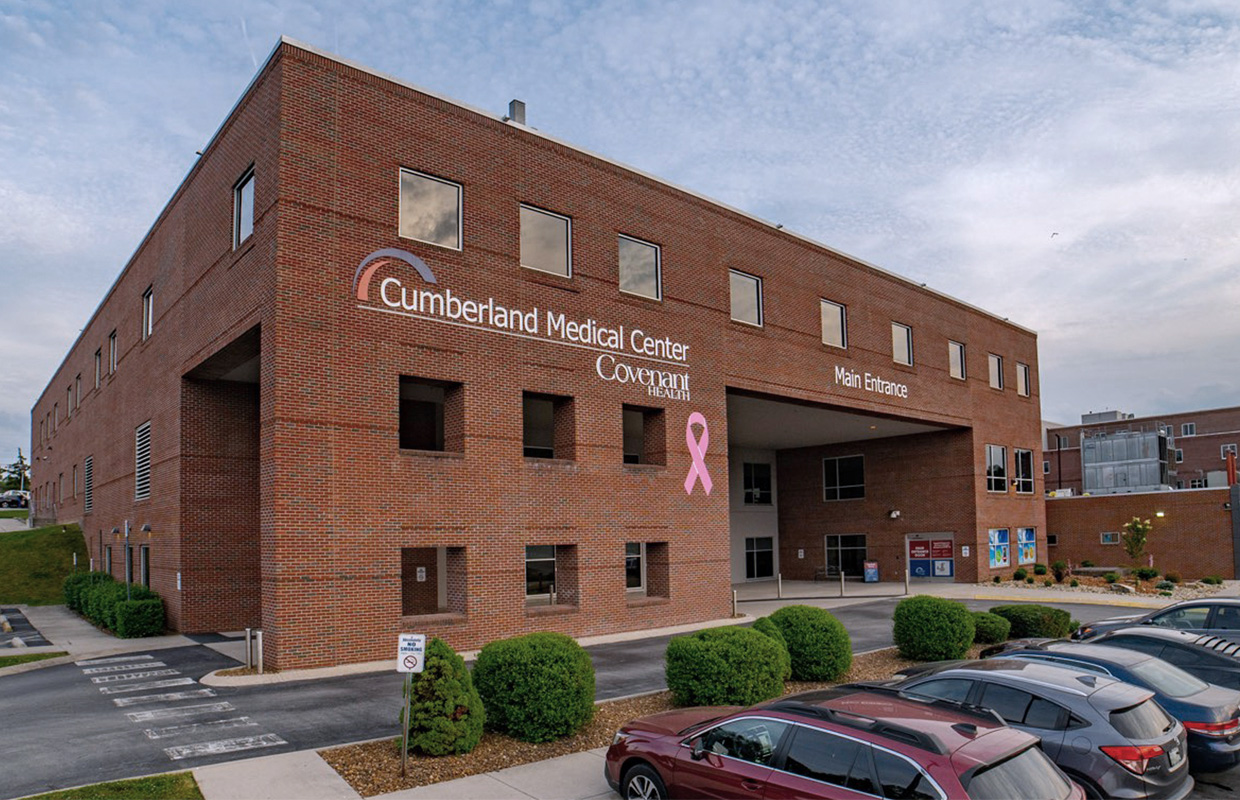
Cumberland Medical Center
Find a Primary Care DoctorDirections: 421 S Main Street, Crossville, TN 38555
Hours: Open 24 hours
Scheduling Assistance: (931) 484-9511
-

Covenant Health Fort Loudoun
Find a Primary Care DoctorDirections: 550 Ft Loudoun Med Ctr. Dr, Lenoir City, TN 37772
Hours: Open 24 hours
Scheduling Assistance: (865) 374-4000
-

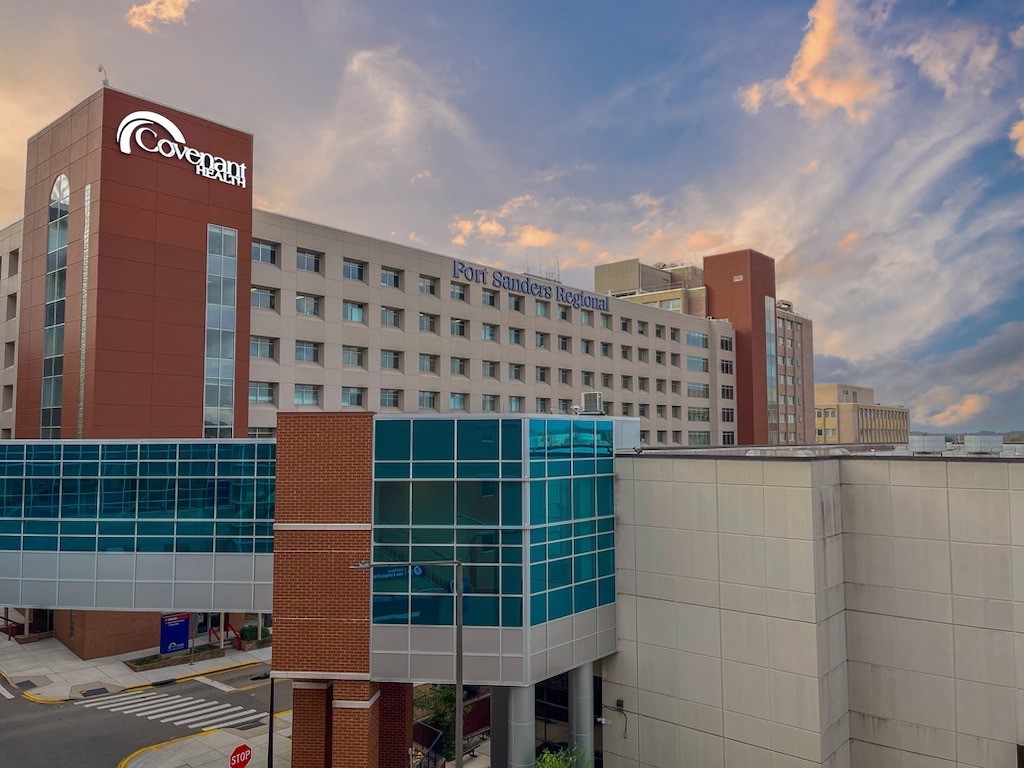
Fort Sanders Regional Medical Center
Find a Primary Care DoctorDirections: 1901 Clinch Ave, Knoxville, TN 37916
Hours: Open 24 hours
Scheduling Assistance: (865) 331-1111
-
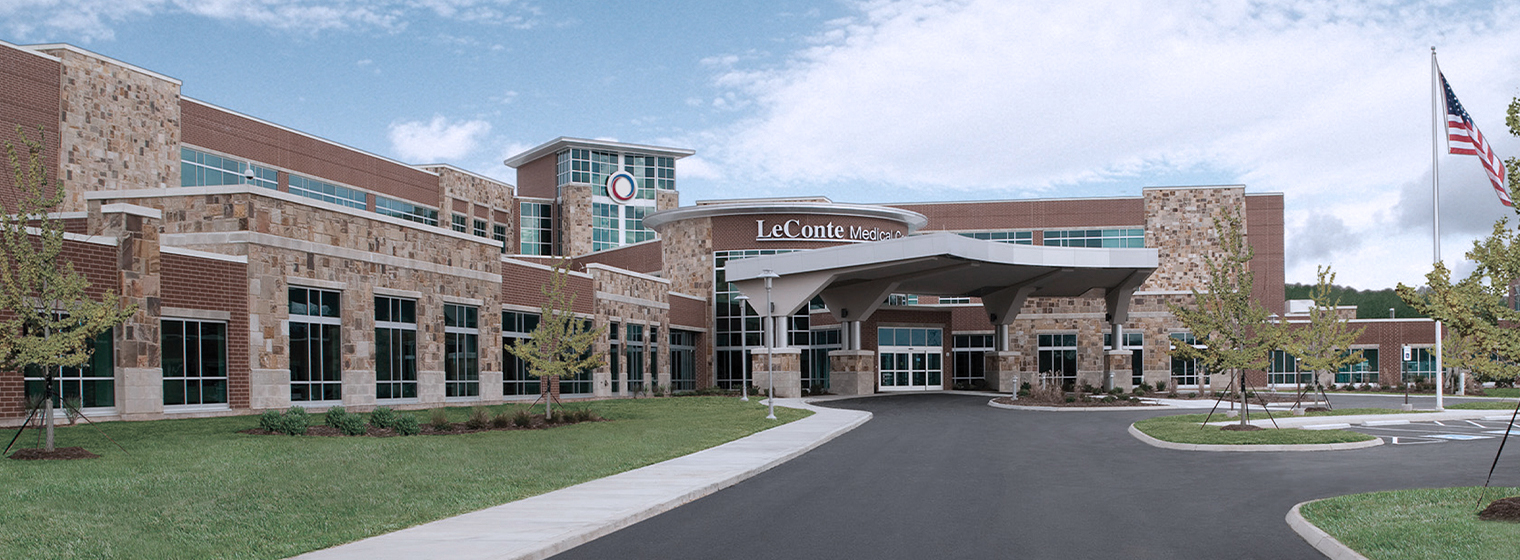
Covenant Health LeConte
Find a Primary Care DoctorDirections: 742 Middle Creek Rd, Sevierville, TN 37862
Hours: Open 24 hours
Scheduling Assistance: (865) 446-7000
-
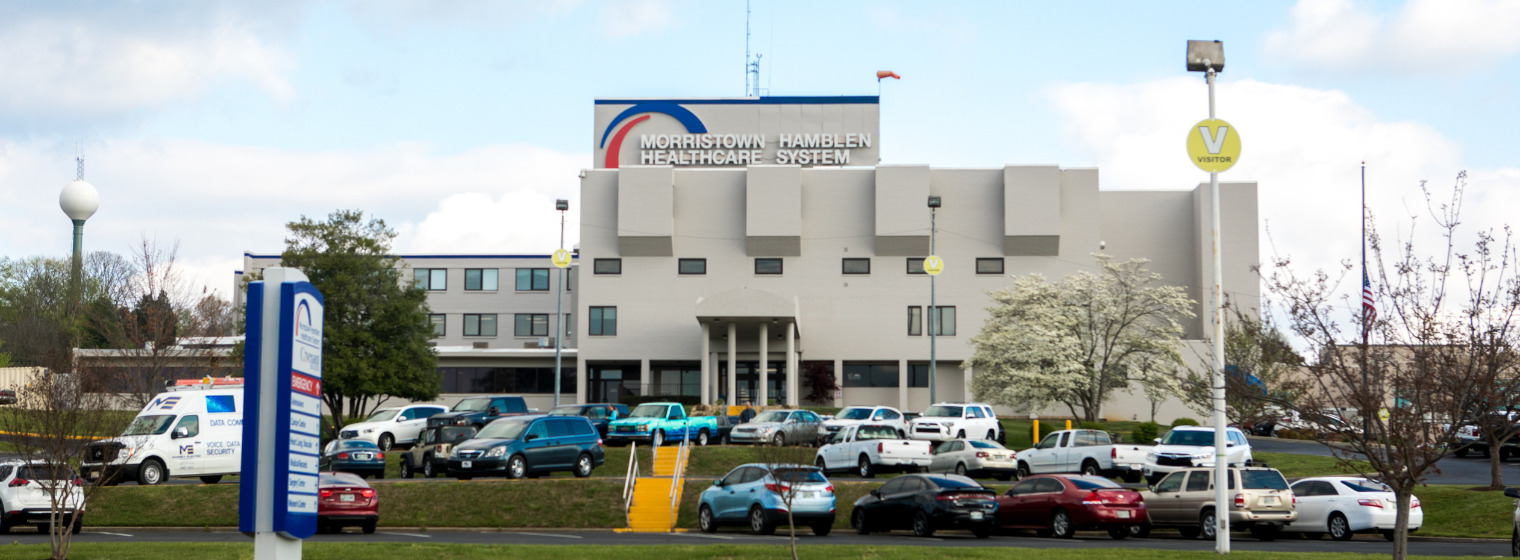
Covenant Health Morristown-Hamblen
Find a Primary Care DoctorDirections: 908 West Fourth North St, Morristown, TN 37816
Hours: Open 24 hours
Scheduling Assistance: (865) 374-4000
-
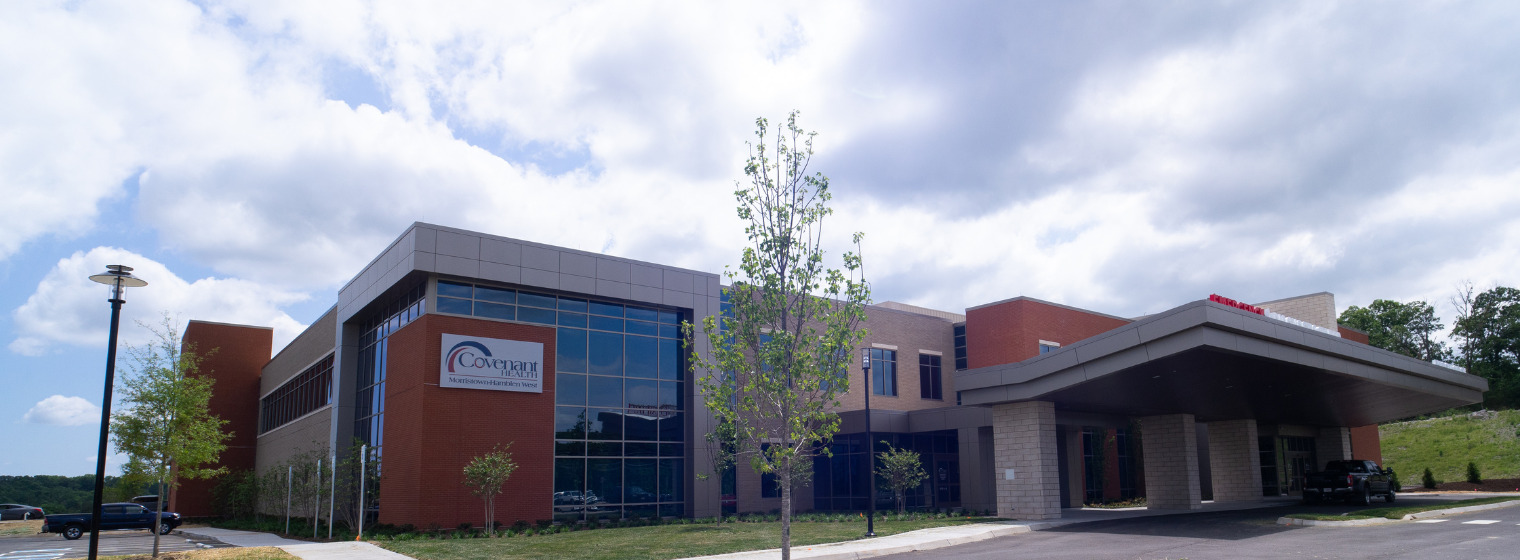
Covenant Health Morristown-Hamblen West
Find a Primary Care DoctorDirections: 653 Merchants Greene Blvd, Morristown, TN 37813
Hours: Monday – Friday 7:30 AM – 5 PM
Scheduling Assistance: (423) 492-6500
-
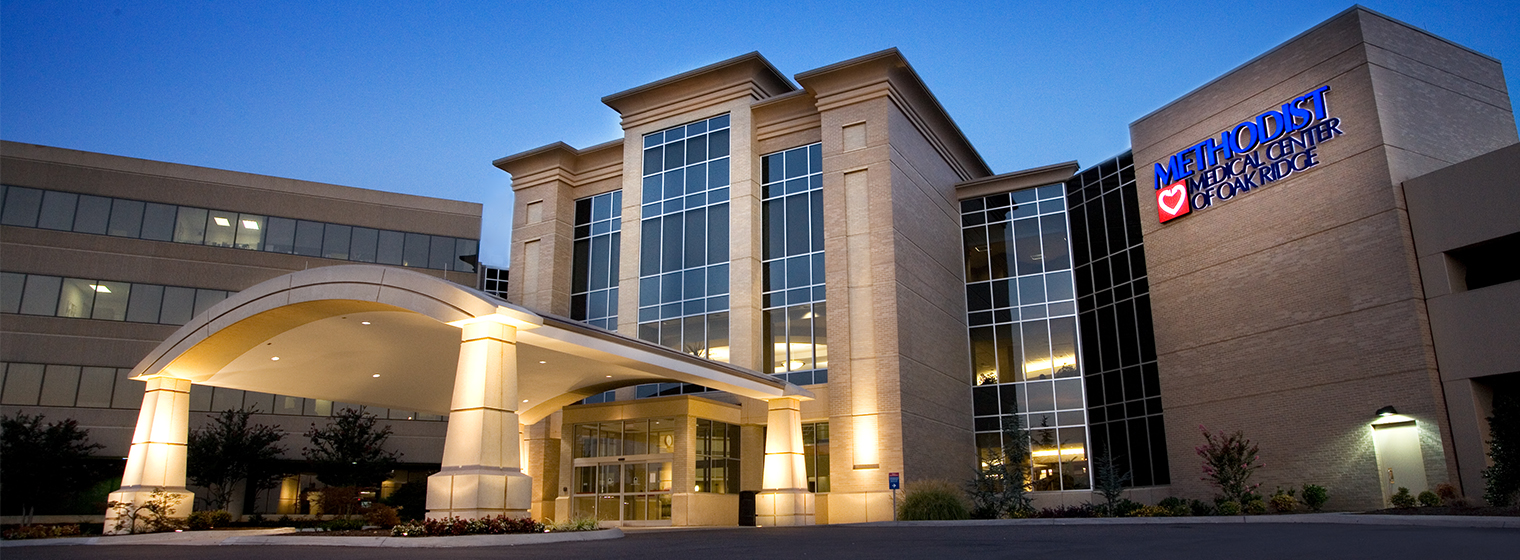
Methodist Medical Center
Find a Primary Care DoctorDirections: 990 Oak Ridge Turnpike, Oak Ridge, TN 37831
Hours: Open 24 hours
Scheduling Assistance: (865) 835-1000
-
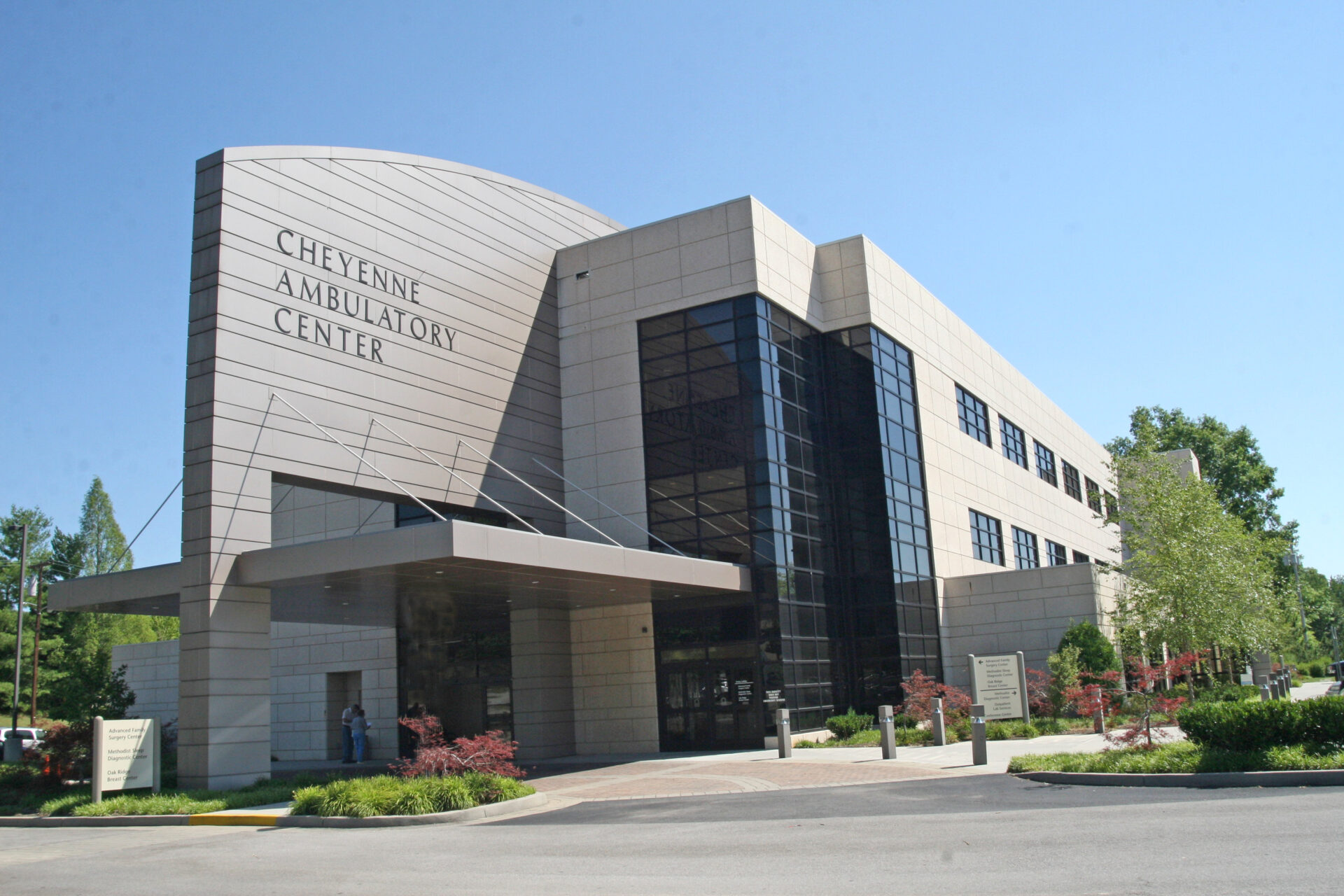
Cheyenne Outpatient Diagnostic Center
Find a Primary Care DoctorDirections: 990 Oak Ridge Turnpike, Oak Ridge, TN 37831
Hours: Monday – Friday 8 AM – 5 PM
Scheduling Assistance: (865) 835-4941
-

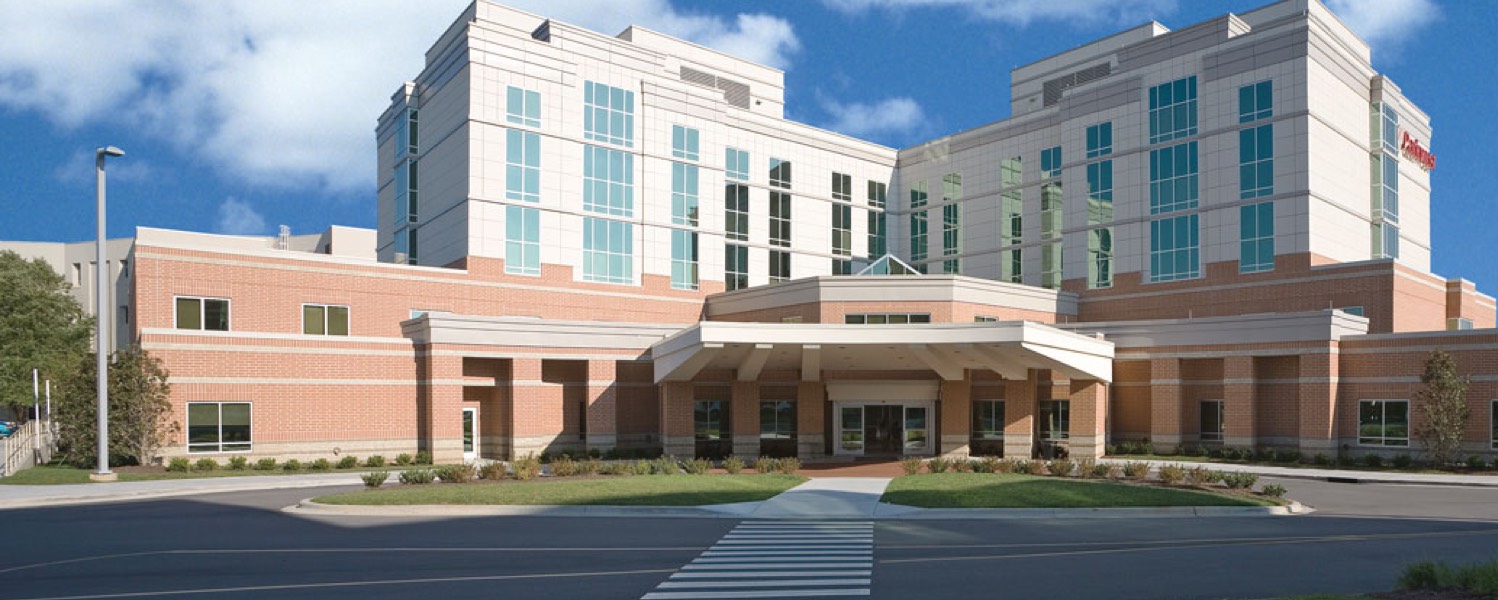
Parkwest Medical Center
Find a Primary Care DoctorDirections: 9352 Park West Blvd, Knoxville, TN 37923
Hours: Open 24 hours
Scheduling Assistance: (865) 373-1000
-

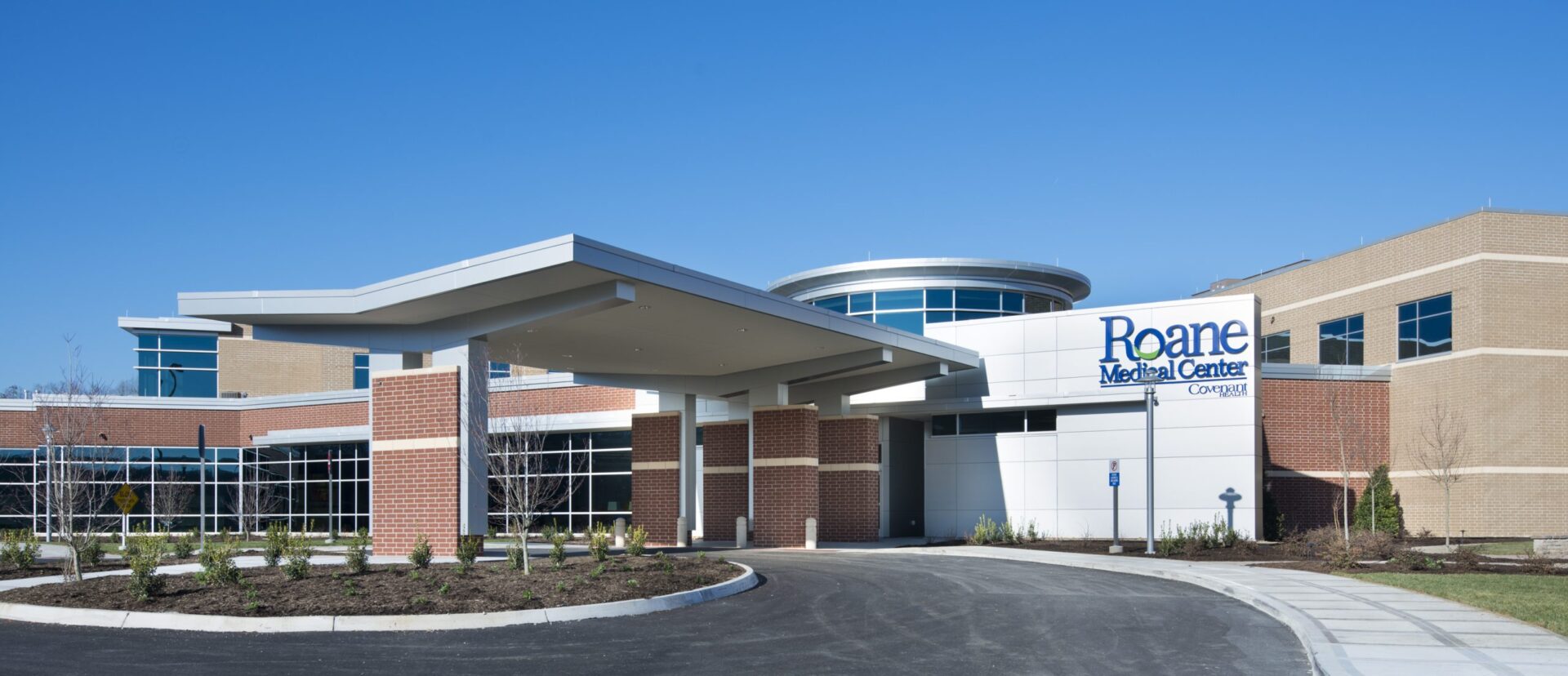
Covenant Health Roane
Find a Primary Care DoctorDirections: 8045 Roane Med Center Dr, Harriman, TN 37748
Hours: Open 24 hours
Scheduling Assistance: (865) 316-1000
Accepted Insurances
Frequently Asked Questions
We are committed to patient education and transparency in our care. If you can’t find an answer to your question, please contact us for a consultation.
Who is at risk for lung cancer?
Some of the risk factors for lung cancer include smoking tobacco, breathing in secondhand smoke, and exposure to radon, asbestos, or other harsh chemicals. People who have a family history of lung cancer may also be at risk for developing the disease. To find out if you are at risk, take our assessment.
Does insurance cover lung cancer screening?
Many private health insurance plans cover lung cancer screening, but eligibility criteria varies by plan. Medicare also covers low-dose CT among beneficiaries who fit the following criteria:
- Age 50-80 years
- No current signs or symptoms of lung cancer
- Tobacco smoking history of at least 20 pack-years (pack-years are calculated by multiplying the number of packs smoked per day by number of years smoked)
- Current or former smokers who have quit within the last 15 years
When will I know my lung cancer screening results?
The results of your exam will be available to your physician within 24-48 hours of the screening. You may also access the results yourself by contacting the hospital’s medical records department or setting up a personal account on the MyCovenantHealth patient portal
What are the risks of lung cancer screening?
As with many exams, there are risks and limitations of LDCT lung screening. These may include:
Radiation Exposure
LDCT lung screening uses radiation to create images of your lung. Radiation can increase a person’s risk of cancer. By using special techniques, the amount of radiation in LDCT lung screening is small – about the same amount a person would receive from a mammogram.
False Negatives or Positives
No test, including LDCT lung screening, is perfect. It is possible that you may have a medical condition, including lung cancer, that is not found during your exam. This is called a false negative.
Conversely, an LDCT lung screening may find something in the lung that could be cancer, but in fact is not. This is called a false positive. In order to make sure these findings are not cancer, you may need to have more tests.
What happens if lung nodules Are detected?
One out of four LDCT screenings generally detect something that needs additional imaging for evaluation. These are often referred to as lung nodules because they are a small collection of tissues in the lung. More than 97 percent of lung nodules are noncancerous (benign) because they are scars from previous lung infections.
For those who have cancerous (malignant) nodules, we offer a unique Lung Nodule Program. A nurse navigator specializing in lung treatment helps patients and physicians coordinate a prompt plan of care. Our goal is to help save lives by detecting lung cancer early for treatment through our cancer network.