
PTSD in Veterans: How the War Can Follow You Home
- 5 minute read.
- Last Updated: 6/23/2026
According to the Journal of the American Medical Association, veterans and service members are about 60% more likely to die by suicide than their civilian peers. That statistic is not just a number; it is a crisis in our communities.
Post traumatic stress disorder (PTSD) is one of the most significant mental health challenges facing those who serve. The good news is that it is often treatable. At Peninsula, a behavioral health division of Covenant Health’s Parkwest Medical Center, our specialists are trained to help veterans and their families find a path forward.
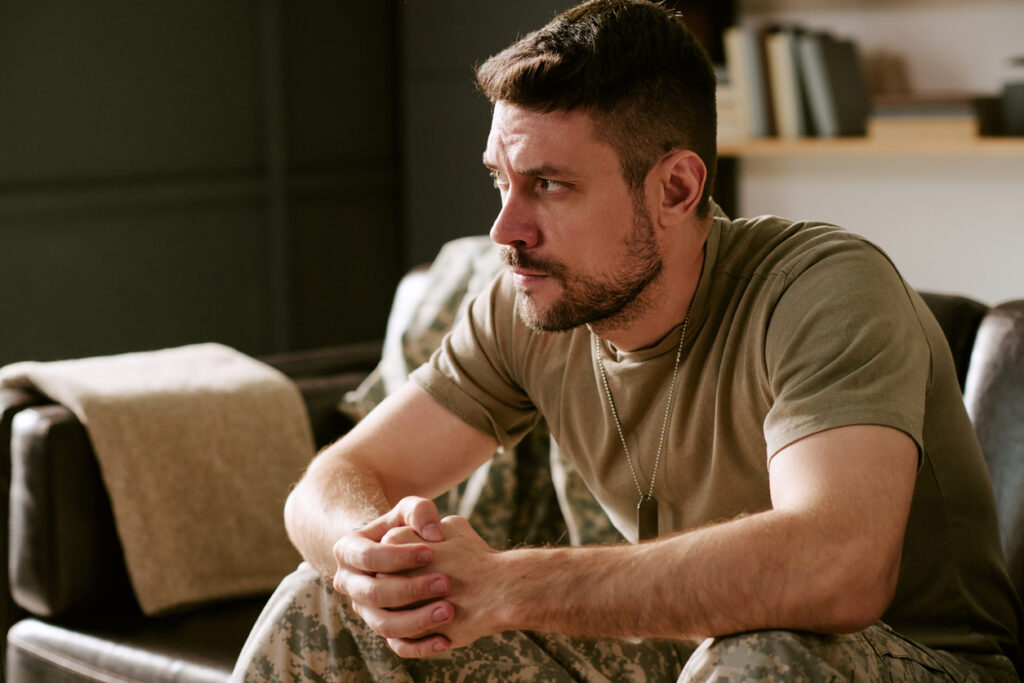
What Is PTSD?
PTSD is a mental health condition that develops after a person experiences or witnesses a traumatic event. For veterans, that might mean combat exposure, sexual trauma or other life-threatening situations encountered during service.
After trauma, it is normal to feel anxious, sad or on edge. Most people improve over time. But for some, those feelings do not fade. PTSD is diagnosed when symptoms last for an extended period and begin to interfere with daily life, relationships, work, sleep and more.
“PTSD doesn’t always present initially and can show up many years later,” explained Emily Beasley Wilson, LPC/MHSP(S), certified clinical trauma professional at Peninsula. “That delay is one reason PTSD is often misunderstood or missed altogether.”
Who Is At Risk?
PTSD is slightly more common among veterans than civilians. Here is what the data from the U.S. Department of Veterans Affairs shows:
- About 7% of veterans experience PTSD at some point in their lives
- Up to 31% of some combat veterans develop PTSD after returning home
- Female veterans experience PTSD at a rate of about 13%
- Veterans ages 18–29 have a prevalence of PTSD around 15%
- Vietnam veterans carry a lifetime prevalence of approximately 30%
- Veterans of Operation Enduring Freedom and Operation Iraqi Freedom experience PTSD rates of roughly 11-20% in a given year
Common Early Warning Signs
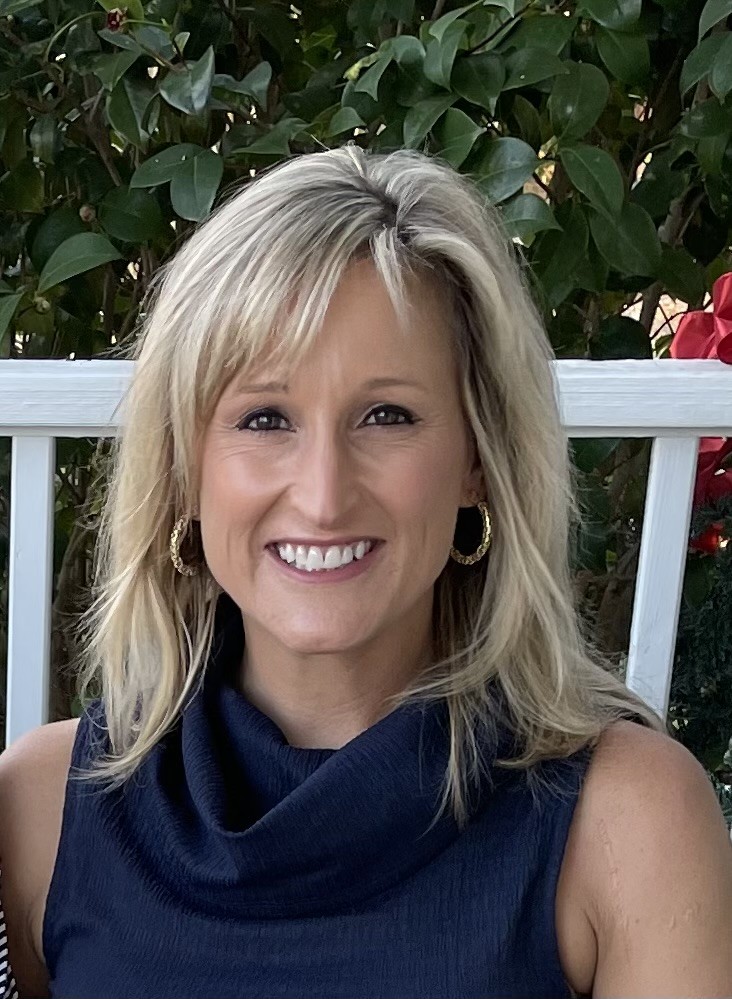
Beasley Wilson has worked with veterans for years at Peninsula. She said there are consistent patterns in how PTSD first appears, including:
- Nightmares and disturbed sleep
- Intrusive thoughts or flashbacks
- Hypervigilance: always feeling “on alert,” even in safe situations
- Emotional numbness or withdrawal from loved ones
- Increased anger or irritability, especially in younger veterans
- Substance use to cope with underlying pain
Beasley Wilson explained, “In my experience, the anger is more outward and the development of substance use disorders is a symptom of the underlying problem of PTSD. Approximately one in ten U.S. veterans have been diagnosed with a substance use disorder.”
A Common Misconception
Many people believe PTSD only comes from combat. That is not true. Sexual trauma, childhood adversity and other experiences can all lead to PTSD. The stigma around diagnosis, and the fear of losing the ability to serve, keeps many veterans from seeking help.
How PTSD Is Diagnosed
PTSD is diagnosed by mental health professionals. Our teams evaluate symptoms based on duration, intensity and impact on daily functioning. There is no single test. Diagnosis involves a thorough conversation about a person’s experiences and how they are affecting life today.
Treatment Options
The most effective treatments for PTSD are trauma-focused therapies. These approaches are supported with strong research:
- Cognitive Processing Therapy (CPT) helps patients challenge and reframe unhelpful beliefs about the trauma
- Prolonged Exposure (PE) gradually reduces the power trauma memories hold by revisiting them in a safe, structured setting
- Eye Movement Desensitization and Reprocessing (EMDR) focuses on reprocessing traumatic memories using guided eye movements, with less verbal detail required
Most of these therapies take 8–16 sessions. Medication is also an option that may be explored for PTSD symptom relief.
Practical Steps for Day-to-Day Life
Recovery is not only about therapy appointments. Other strategies that help veterans manage symptoms include:
- Grounding techniques: Tools that bring attention back to the present moment and current surroundings, interrupting flashbacks or spiraling anxiety
- Consistent sleep routines to reduce the impact of nightmares
- Limiting alcohol and substances, which can worsen PTSD symptoms over time
- Staying connected to family, friends, veterans’ groups and community
Beasley Wilson explained, “Many veterans report feeling that the public doesn’t understand what they go through during and after service. This contributes to isolation, stigma and a lack of empathy for those navigating life beyond the military.”
Peninsula and Covenant Health: Here for Veterans
The first year after leaving the military is a particularly vulnerable time. If you or someone you love is a recent veteran, do not wait for a crisis. Reaching out early, can make all the difference.
At Covenant Health, our behavioral health team brings expertise, compassion and community to every patient. Our teams are trained in evidence-based trauma treatment and understand the unique challenges veterans face.
Contact us today to schedule an appointment. Visit our Peninsula website or call 865-970-9800 to learn about our programs and find the care that is right for you.