
Skip to Main Content

Interventional and Diagnostic Radiology
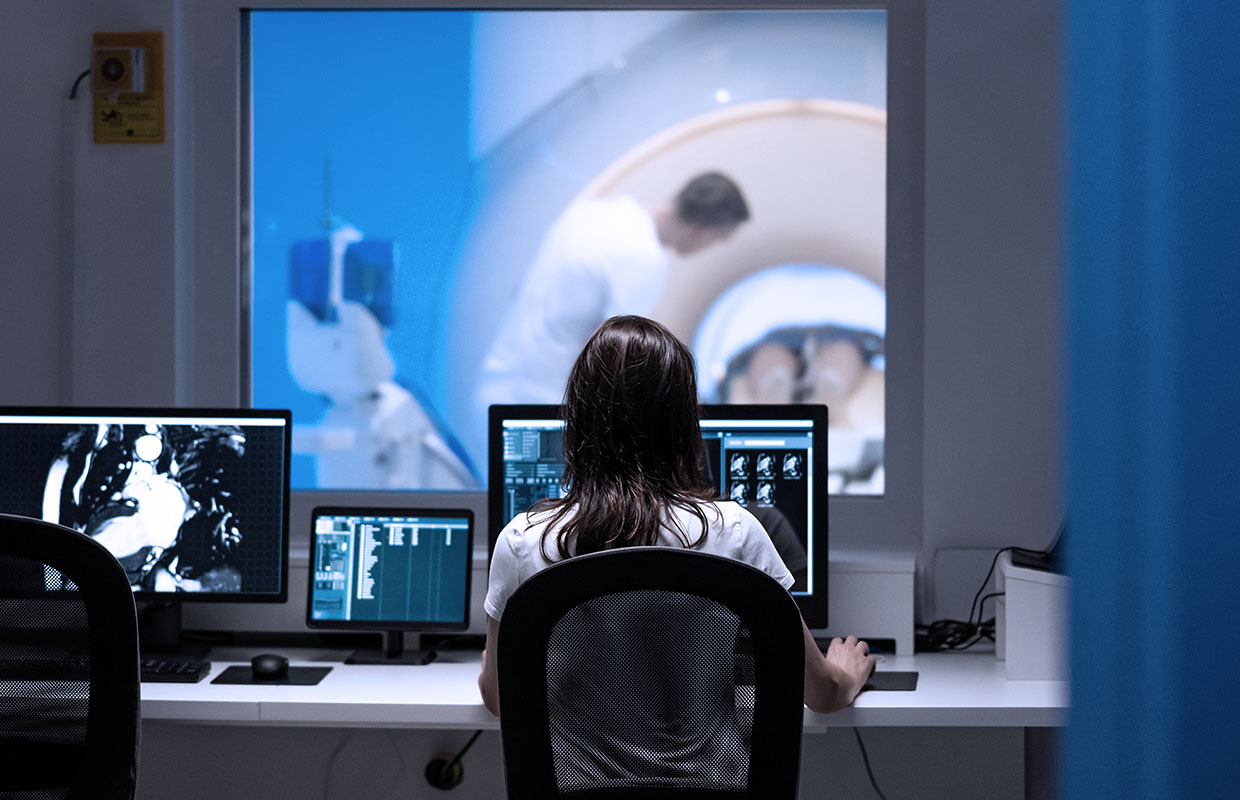
a person prepares for an MRI while medical staff watch through the window

What Is Interventional Radiology (IR)?

Interventional Radiology (IR) is a medical specialty that performs minimally invasive treatments using radiologic imaging for procedure guidance. Interventional radiologists use x-rays, CT, MRI or other imaging guidance to navigate small instruments, like catheters and needles, through blood vessels and organs to treat a variety of diseases.
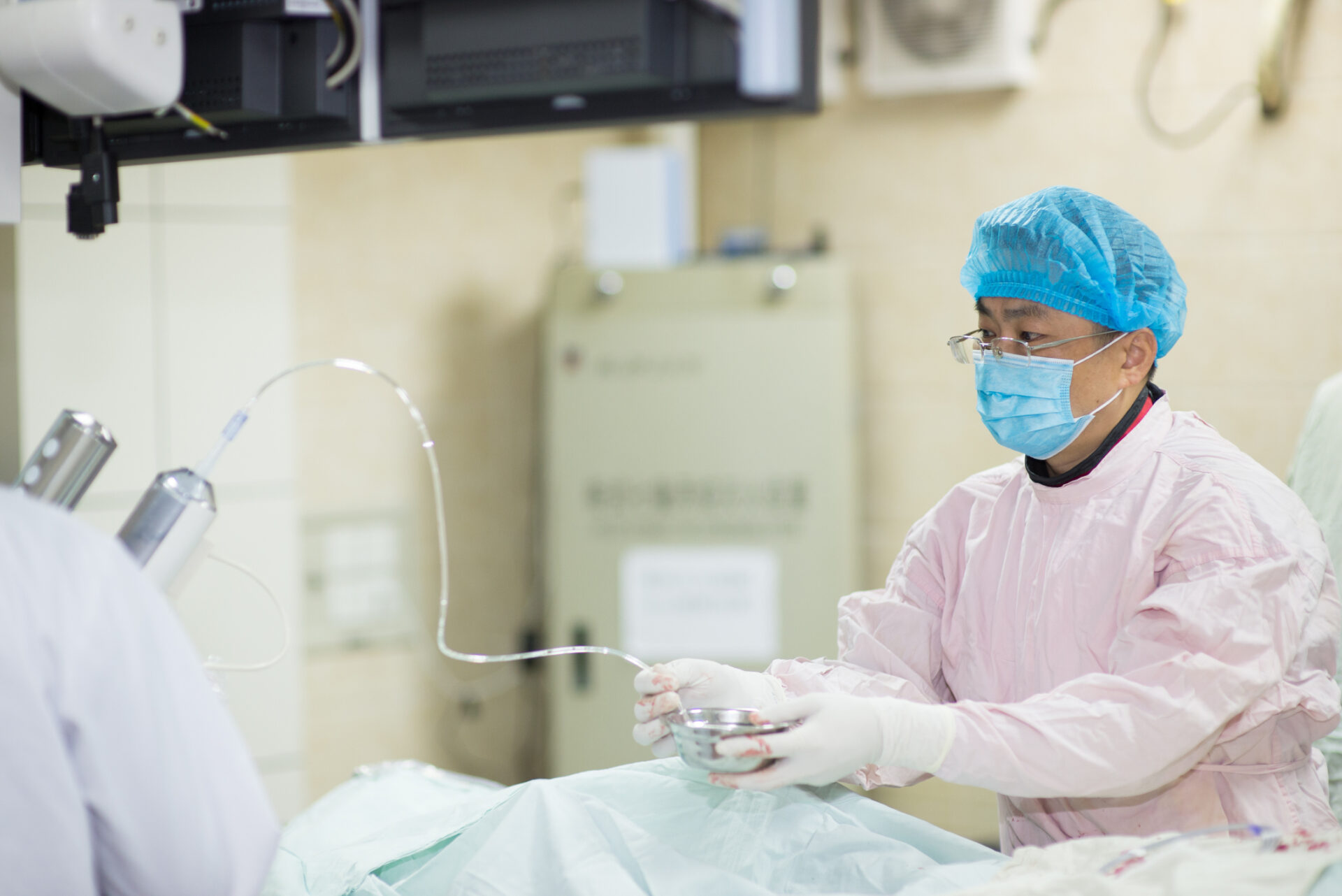
 

IVR image

What are the Benefits of Interventional Radiology?

Interventional radiology offers a range of benefits that make it a valuable option for many patients, including:

  • Minimally invasive procedures
  • Less pain and discomfort
  • Shorter hospital stays
  • Reduced risk of infection
  • Quicker recovery time
Male surgeon in protective mask uses a laparoscope during surgery while assistants await direction.

Diagnostic Procedures

Liver core/legion biopsies

A small sample of liver tissue is removed for examination under a microscope. These biopsies are typically performed to diagnose liver diseases, assess the severity of liver conditions, or evaluate liver lesions

Pancreatic biopsy

A medical procedure used to obtain a small sample of pancreatic tissue for examination under a microscope. This procedure is typically performed to diagnose pancreatic diseases, including pancreatic cancer, pancreatitis and other abnormalities.

Hepatobiliary iminodiacetic acid scan (HIDA)

An imaging procedure used to evaluate the function of the liver, gallbladder, bile ducts and small intestine.

Specialized Gastrointestinal MRI studies, CT exams and Ultrasound procedures

Specialized gastrointestinal imaging studies are used to diagnose and manage various conditions affecting the digestive system.

Barium swallow

A diagnostic imaging test used to evaluate the structure and function of the esophagus. It involves swallowing a contrast material called barium, which helps make the esophagus visible on X-ray images.

Upper GI

Imaging techniques are used to diagnose and treat conditions of the upper gastrointestinal (GI) tract, which includes the esophagus, stomach, and duodenum (the first part of the small intestine).

Small Bowel Series

A diagnostic imaging procedure used to evaluate the small intestine. This series involves a series of X-ray images taken after the patient ingests a contrast material that outlines the small intestine, allowing for detailed visualization of its structure and function.

Barium enema

A diagnostic imaging procedure used to examine the large intestine (colon) and rectum. It involves introducing a barium sulfate contrast material into the colon via the rectum to create detailed X-ray images of the lower gastrointestinal (GI) tract.

Interventional Procedures

Gastrostomy feeding tube (G-tube) insertion/replacement

A tube inserted through an opening in the stomach to provide nutrition and medication for patients who cannot eat by mouth but have a functioning stomach and digestive system.

Transgastric Jejunal tube (J-tube) insertion/replacement

A tube inserted directly into to the small intestine for patients who cannot use their stomach for feeding.

Percutaneous Endoscopic Gastrostomy (PEG) Tube Placement

A medical procedure that involves inserting a feeding tube through the abdominal wall directly into the stomach to deliver long-term enteral nutrition to patients who cannot take food orally.

Paracentesis

A medical procedure used to remove fluid that has accumulated in the abdominal cavity (peritoneal cavity).

Percutaneous cholecystostomy tube placement

A minimally invasive procedure used to drain the gallbladder.

Percutaneous transhepatic biliary drainage and stenting

A minimally invasive procedure used to relieve obstruction in the bile ducts. The procedure involves inserting a drainage catheter through the liver into the bile ducts to drain bile externally or internally and placing a stent to keep the bile duct open.

Gastrointestinal embolization for bleeding

A minimally invasive procedure used to control bleeding within the gastrointestinal (GI) tract. This procedure involves selectively blocking the blood vessels that are causing the bleeding.

Request to be Contacted

Our Physician Specialists

For Referring Physicians

At Covenant Health, we look forward to partnering with you in your patients’ care. When you refer a patient to us, you can count on:

  • A streamlined referral and order process
  • Dedicated staff to make the most of your relationship with Covenant Health
  • Updates throughout the process to stay up to date on your patient

How to Refer a Patient

For prompt processing, please fax your referral form with any medical records to the Fort Sanders Digestive Disease and Surgery Institute or call the Rapid Access Center for any urgent requests.

Our Location

Loading Next Page