
Fort Sanders Neurosurgery & Spine
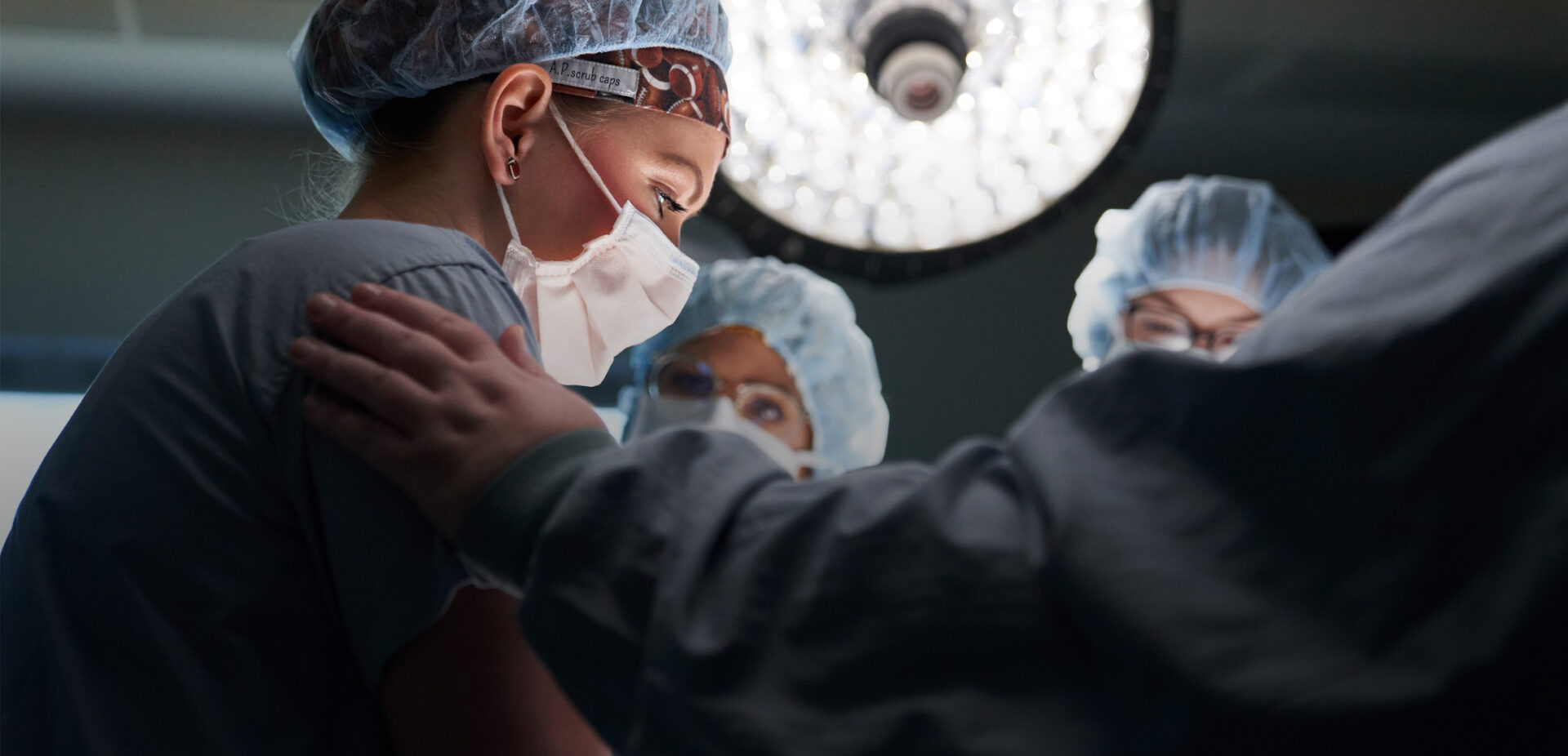
Welcome to Fort Sanders Neurosurgery and Spine
Our neurosurgery team is skilled in diagnosing and treating conditions of the brain, spine and nervous system typically through surgical treatment.
Get to Know Our Clinic
Patient Tools
Get started with some of our online patient tools.
About Fort Sanders Neurosurgery and Spine
At Fort Sanders Neurosurgery and Spine, we specialize in the treatment of conditions that affect the brain, spine and nervous system. With more than 30 years of combined medical experience, our expert healthcare team is ready to provide you with excellent care. Our office is conveniently located at Fort Sanders Regional Medical Center. We’re proud to be a member of Covenant Medical Group, the physician practice group of Covenant Health.
Schedule an Appointment
Our team is ready to provide you with the right neurosurgical care when you need us. We’re accepting new patients. Please note, a referral is required from your doctor.
Brain Conditions Treated
Aneurysm
A brain aneurysm is a bulging, weakened area in the wall of a blood vessel resulting in an abnormal widening. An aneurysm may occur in any blood vessel, but is most often seen in an artery rather than a vein.
Brain Tumors and Hemorrhages
A tumor is an abnormal mass of tissue that grows on or inside the body. It is known as primary if located where its growth first started, or secondary if it began growing elsewhere in the body and metastasized, or spread, to its present location. Most primary brain tumors do not metastasize outside the brain.
A benign tumor usually is encapsulated, does not spread to other areas of the body, grows slowly, and often causes problems by compressing brain tissue. A malignant, or cancerous, tumor grows uncontrollably, spreads throughout the brain, and destroys brain tissue.
A hemorrhage is when bleeding occurs either due to the size of the tumor or a patient’s age.
Head Trauma
Some types of head trauma, and depending on the severity, can require neurosurgical intervention, such as:
- Concussion
- Craniofacial trauma
- Depressed skull fracture (break in a cranial bone with depression of the bone in toward the brain)
- Epidural hematoma (blood accumulates between the skull and the thick membrane covering the brain)
- Intracerebral hemorrhage/brain contusion
- Penetrating brain injury
- Subarachnoid hemorrhage (bleeding in the space that surrounds the brain)
- Subdural hematoma (blood clot between the surface of the brain and the thick membrane covering the brain)
- Traumatic brain injury
Spine Conditions Treated
Degenerative Disc Disease
Degenerative disc disease affects the spinal discs between the vertebrae. This condition often results in the loss of cushioning, fragmentation and herniation.
Herniated Discs
While herniated discs are also called ruptured discs or slipped discs, only a small area is affected. A herniated disc is more likely to cause pain because it generally protrudes farther and is more likely to irritate nerve roots than a bulging disc.
Sciatica
Sciatica is the descriptive term for when pain runs from your back or buttocks down your leg and into your foot.
It is a condition caused by either compression or trauma of the sciatic nerve. Typically, there is an irritation of your nerve root in the lower part of your spine. In some instances, this could be due to a ruptured or herniated disc in your lower back.
Spinal Instability and Stenosis
Stenosis, a narrowing passage way of the spine, causes pressure on the spinal cord or nerves that often produces a dull, aching pain in the lower back when standing or walking. Lumbar stenosis is a natural product of aging and the wear and tear on the spine throughout our lives.
Spinal Tumors
A spinal tumor is an abnormal mass of tissue within or surrounding the spinal cord and/or spinal column.
Spondylolysis
Spondylolysis is a defect in the lumbar vertebrae in the lower spine. Spondylolysis may occur as a structural or functional defect or be the result of repetitive trauma.
Spondylolisthesis
Spondylolisthesis occurs when spondylolysis weakens one of the vertebrae so much that the bone slips out of place.
The condition can also be caused by degenerative disc disease or by degenerative conditions that affect the vertebral joints. If the vertebrae slip too much and begin to press on nerves, surgery may become necessary.
Nervous System Conditions Treated
Carpal Tunnel Syndrome
Carpal tunnel syndrome is a common neurological disorder that occurs when the median nerve, which runs from your forearm into the palm of the hand, becomes pressed or squeezed at the wrist. You may feel numbness, weakness, pain in your hand and wrist, and your fingers may become swollen and useless.
Peripheral Nerve Damage
Peripheral neuropathy is a result of damage to the peripheral nerves located outside of the brain and spinal cord. This damage often causes weakness, numbness and pain, usually in the hands and feet.
Ulnar Nerve Compression
Ulnar nerve compression is a nerve disorder that can cause numbness, pain, or tingling in the arm, hand, or fingers. When you bend your elbow, the ulnar nerve—which travels from the shoulder to the hand—wraps around a bony ridge on the inside of the elbow.
Surgical Procedures – Brain
Colloid Cyst
A colloid cyst is a slow-growing tumor typically found near the center of the brain.
If large enough, a colloid cyst obstructs cerebrospinal fluid (CSF) movement, resulting in a build up of CSF in the ventricles of the brain (hydrocephalus “water on the brain”) and elevated brain pressure.
Symptoms:
- Most patients experience headaches, although other symptoms can occur.
- If symptomatic, prompt surgical treatment may be required in order to reduce the relatively high risk of sudden death.
Treatment options may include endoscopic surgery or an open craniotomy via the corpus callosum of the brain.
Craniotomy
A craniotomy is the surgical removal of part of the bone from the skull to expose the brain to access nerves and arteries within the skull, as well as any intracranial abnormality such as a tumor, aneurysm or hematoma.
Some craniotomy procedures may utilize the guidance of computers and imaging (magnetic resonance imaging [MRI] or computerized tomography [CT] scans) to reach the precise location within the brain that is to be treated. This technique requires the use of a frame placed onto the skull or a frameless system using superficially placed markers on the scalp. When either of these imaging procedures is used along with the craniotomy procedure, it is called stereotactic craniotomy.
Scans made of the brain, in conjunction with these computers and localizing frames, provide a three-dimensional image, for example, of a tumor within the brain. It is useful in making the distinction between tumor tissue and healthy tissue and reaching the precise location of the abnormal tissue.
Other uses include stereotactic biopsy of the brain (a needle is guided into an abnormal area so that a piece of tissue may be removed for examination under a microscope), stereotactic aspiration (removal of fluid from abscesses, hematomas, or cysts), and stereotactic radiosurgery (such as gamma knife radiosurgery).
An endoscopic craniotomy is another type of craniotomy that involves the insertion of a lighted scope with a camera into the brain through a small incision in the skull.
Gamma Knife Radiosurgery
The Fort Sanders Regional Gamma Knife Center at Thompson Cancer Survival Center features the advanced Leksell Gamma Knife Perfexion, a stereotactic radiosurgical procedure used to treat brain tumors and other disorders.
Gamma Knife offers patients an alternative to traditional surgeries which sometimes involves additional risks and complications from incision. Instead, this non-invasive procedure often allows patients to go home the same day.
Gamma Knife is used to precisely target brain tumors and disorders with finely-focused radiation beams that minimize damage of healthy brain tissue. The procedure typically is performed in a single outpatient treatment session with considerably reduced treatment times and minimized surgical complications.
Microvascular Decompression
Many patient suffer from Trigeminal Neuralgia, also known as Tic Douloureux, a chronic pain condition associated with sharp facial pain. While trigeminal neuralgia may be treated medically, when medical management fails to control the pain, surgical intervention is an option.
Microvascular decompression is a minimally invasive procedure that involves removing or relocating any blood vessels putting pressure on the trigeminal nerve. This is done by creating a small surgical opening behind the ear on the affected side. The trigeminal nerve is explored with an operating microscope. Our surgeon carefully moves any arteries touching the nerve and removes any veins pushing against it and places a pad between the vessel and nerve to prevent them from touching again.
Pituitary Surgery
Endoscopic pituitary surgery, also called transsphenoidal endoscopic surgery, is the most common surgery used to remove certain types of tumors that start to grow in the pituitary gland. The pituitary gland is located at the bottom of your brain and above the inside of your nose. It is responsible for regulating most of your body’s hormones, the chemical messengers that travel through your blood.
Endoscopic pituitary surgery is usually done under general anesthesia with the use of an endoscope. An endoscope is a thin, rigid tube that has a microscope, light, and camera built into it, and it’s usually inserted through the nose. The camera lets your surgeon watch on a television screen while inserting other special instruments through the scope to remove the tumor.
Endoscopic pituitary surgery is done to remove certain types of tumors that start to grow in your pituitary gland:
- Hormone-secreting tumors. These growths secrete chemical messengers that travel through the blood.
- Nonhormone-secreting tumors. These growths, also called endocrine inactive pituitary adenomas, are removed by surgery because as they increase in size they may cause headache and visual disturbances.
- Cancerous tumors. These growths may be treated with a combination of surgery, cancer drugs, and X-ray treatment.
Posterior Fossa Surgery
The posterior fossa is a small space located at the back of the skull, near the brainstem and cerebellum. The posterior fossa has limited space. If a tumor grows in this area, it can block the flow of spinal fluid and cause increased pressure on the spinal cord and brain.
Most tumors of the posterior fossa are removed with surgery, even if they are not cancerous. Depending on the type and size of the tumor, radiation treatment may also be used after surgery.
Surgical Procedures – Spine
Anterior Cervical Decompression and Fusion
Anterior Cervical Decompression (or Discectomy), is a procedure that allows the removal of a herniated cervical disc through the front of the neck. Fusion surgery if often done at the same time to stabilize the cervical segment by replacing it with a bone graft which allows the vertebrae to fuse together over a period of time.
- Through a small incision made near the front of the neck, the surgeon:
- Removes the intervertebral disc to access the compressed neural structures
- Relieves the pressure by removing the source of the compression
- Places a bone graft between the adjacent vertebrae
- Implants a small metal plate to stabilize the spine while it heals (in most cases)
Pressure placed on neural structures, such as nerve roots or the spinal cord by a herniated disc or bone spur, may irritate neural structures and cause pain in the neck and/or arms, lack of coordination, numbness or weakness in the arms, forearms or fingers. Patients who suffer from these symptoms are potential candidates for this operation.
Lumbar Fusion
A spinal fusion surgery is designed to stop motion at a painful vertebral segment, which in turn should decrease pain generated from the joint.
There are many approaches to lumbar spinal fusion surgery, and all involve the following process:
- Adding bone graft to a segment of the spine
- Setting up a biological response causing the bone graft to grow between the two vertebral elements to create a bone fusion
- The bone fusion – which results in one fixed bone replacing a mobile joint – stops the motion at that joint segment
A lumbar fusion may be the desired treatment for patients with the following conditions, if abnormal and excessive motion at a vertebral segment results in severe pain and inability to function:
- Lumbar Degenerative Disc Disease
- Lumbar Spondylolisthesis (occurring when spondylolysis weakens one of the vertebrae so much that the bone slips out of place)
Other conditions that may be treated by a spinal fusion surgery include a weak or unstable spine (caused by infections or tumors), fractures, scoliosis, or deformity.
Lumbar Laminectomy and Discectomy
Laminectomy
Back pain that interferes with normal daily activities may require surgery for treatment. Laminectomy is a type of surgery in which a surgeon removes part or all of the vertebral bone (lamina) to relieve compression of the spinal cord or the nerve roots that may be caused by injury, herniated disk, spinal stenosis (narrowing of the canal), or tumors. A laminectomy is considered only after medical treatments have proven to be ineffective.
Other related procedures that may be used to help diagnose back problems include CT scan, X-ray, MRI, electromyogram (EMG), and myelogram.
Reasons for the Procedure
Low back pain can range from mild, dull, annoying pain, to persistent, severe, and disabling pain. Pain in the lower back can keep you from moving and get in the way of your daily life. Laminectomy may be needed to relieve pressure on the spinal nerves, treat a disk problem, or remove a tumor from the spine.
One common reason for having a laminectomy is a herniated disk in the spine. A disk may be moved or damaged because of injury or wear and tear. When the disk presses on the spinal nerves, this causes pain, and sometimes numbness or weakness. The numbness or weakness will be felt in the body part where the nerve is involved, often the arms or legs. The most common symptom of a herniated disk is sciatica. Sciatica is a sharp, shooting pain along the sciatic nerve which runs from the buttocks to the thigh and down the back of the leg.
If medical treatments don’t help, back surgery may be a good option. Laminectomy is usually done when back pain that continues after medical treatment, or when the back pain is accompanied by symptoms of nerve damage, such as numbness or weakness in the legs.
There may be other reasons for your health care provider to recommend a laminectomy.
During the Procedure
A laminectomy usually requires a stay in a hospital. Procedures may vary depending on your condition and your doctor’s practices.
A laminectomy may be performed while you are asleep under general anesthesia, or while you are awake under spinal anesthesia. If spinal anesthesia is used, you will have no feeling from your waist down. Newer techniques are being developed that may allow a laminectomy to be done under local anesthesia on an outpatient basis. Your doctor will discuss this with you in advance.
Generally, a laminectomy follows this process:
- You will be asked to remove clothing and will be given a gown to wear.
- An intravenous (IV) line may be started in your arm or hand.
- Once you are under anesthesia, a urinary drainage catheter may be inserted.
- If the surgical site is covered with excessive hair, the hair may be clipped off.
- You will be positioned either on your side or abdomen on the operating table.
- The anesthesiologist will continuously monitor your heart rate, blood pressure, breathing, and blood oxygen level during the surgery.
- The skin over the surgical site will be cleansed with an antiseptic solution.
- The surgeon will make an incision over the selected vertebra.
- The surgeon will spread the back muscles apart.
- The lamina (bony arch of the posterior part of the vertebra) is removed to relieve the pressure on the nerves in the area. This may involve removing bone spurs or growths, or removing all or part of a disk.
- In some cases, spinal fusion may be performed at the same time. During a spinal fusion, the surgeon will connect 2 or more bones in the back to help stabilize the spine.
- The incision will be closed with stitches or surgical staples.
- A sterile bandage or dressing will be applied.
Discectomy
During a surgical procedure called a discectomy, the surgeon removes all or part of the disk and/or bone over the nerve root that is pressing on a nerve root to relieve pain – typically leg pain due to a herniated disc in the lower back – and provide more room for the nerve to heal.
This procedure is usually performed on an outpatient basis, with a one-inch incision in the middle of the lower back.
Minimally Invasive Microdiscectomy
Many patients experience leg pain due to a disc herniation. As long as the pain is tolerable and the patient can function adequately, it is usually advisable to see if the pain will resolve with non-surgical treatments rather than undergo back surgery. If the leg pain does not get better with nonsurgical treatments, then a microdiscectomy surgery is a reasonable option to relieve pressure on the nerve root and speed the healing.
A microdiscectomy is typically recommended for patients who have:
- Experienced leg pain for at least six weeks
- Not found sufficient pain relief with conservative treatment (such as oral steroids, NSAIDs, and physical therapy).
Microdiscectomy is a surgical procedure performed to remove all or part of a ruptured or herniated disc cushion. This cushion is removed through a smaller incision, by way of a surgical instrument or laser while using an operating microscope or loupe for magnification, with less dissection than standard open lumbar discectomy.
Minimally Invasive Spine Surgery
Compared with traditional open surgery, minimally invasive surgeries offer patients many advantages, including a smaller incision, less postoperative pain, faster recovery and improved outcome. Non-surgical treatments such as physical therapy and medication should always be tried first. If those don’t help, surgery may be the best option.
In general, the goal of minimally invasive spine surgery is to stabilize the vertebral bones and spinal joints and/or relieve pressure being applied to the spinal nerves – often a result of conditions such as a spinal instability, bone spurs, herniated discs, scoliosis or spinal tumors.
Because of the reduced trauma to the muscles and soft tissues (compared to open procedures), the potential benefits are:
- Better cosmetic results from smaller skin incisions (sometimes as small as 2 centimeters)
- Less blood loss from surgery
- Reduced risk of muscle damage since less or no cutting of the muscle is required
- Reduced risk of infection and postoperative pain
- Faster recovery from surgery and less rehabilitation required
- Diminished reliance on pain medications after surgery
Conditions Treated Using MIS Procedures
- Degenerative disc disease
- Herniated disc
- Lumbar spinal stenosis
- Spinal deformities such as scoliosis
- Spinal infections
- Spinal instability
- Spinal Tumors
- Vertebral compression fractures
Posterior Cervical Surgery
Some spine surgeons may prefer the posterior approach (from the back of the neck) for a cervical discectomy. This approach is often considered for large soft disc herniations that are lateral to (to the side of) the spinal cord.
The general procedure for the posterior cervical decompression (microdiscectomy) surgery includes the:
Surgical approach
- A small incision is made in the midline of the back of the neck.
- The para-spinal muscles are elevated off the spinal level that is to be approached.
Disc removal
- An x-ray is done to confirm that the surgeon is at the correct level of the spine.
- A high-speed burr is used to remove some of the facet joint, and the nerve root is then identified under the facet joint.
- An operating microscope is then used for better visualization.
- The disc will be directly under the nerve root, which needs to be gently mobilized (moved to the side) to free up the disc herniation.
- There is usually a plexus (network) of veins over the disc that can obstruct visualization if they bleed.
Surgery for Spinal Tumors
Treatment for a spinal cord tumor is different for everyone and depends on the type of tumor, its location, and your overall health. The goal of treatment is to reduce or prevent nerve damage from pressure on (compression of) the spinal cord.
Treatment options can include:
- Surgery to remove all or part of the tumor
- Radiation therapy, which is sometimes used in addition to surgery
- Chemotherapy
- Corticosteroid medications to lessen swelling
Some types of spinal tumors require radiation of the whole spine. This procedure, called craniospinal radiation, can lead to anemia and other side effects. When there is radiation to the lumbar spine, fertility needs to be considered.
Types of spinal cord tumors:
- Spinal cord tumors affect many different areas and come in many different types, including:
- Leukemia or lymphoma, cancers of the blood
- Myeloma, cancer of the bone marrow
- Medulloblastomas, which start in the brain and metastasize to the spine, and are most common in children
- Gliomas or gangliogliomas, cancers that form in cells called glial cells (glial cells also include neurons)
- Chordomas, which form in the spine and can push against it
- Schwannomas, which start inside the peripheral nerves
- Meningiomas, which start in the tissues around the spinal cord (meninges)
Surgical Procedures – Nervous System
Carpal Tunnel Release
Carpal tunnel release is a surgery that’s used to treat and potentially heal the painful condition known as carpal tunnel syndrome. Doctors used to think that carpal tunnel syndrome was caused by an overuse injury or a repetitive motion performed by the wrist or hand, often at work. They now know that it is most likely a congenital predisposition — some people simply have smaller carpal tunnels. Carpal tunnel syndrome can also be caused by trauma, such as a sprain or fracture, or repetitive use of a vibrating tool. It is also associated with pregnancy, diabetes, thyroid disease, and rheumatoid arthritis.
The median nerve and tendons that allow your fingers to move pass through a narrow passageway in the wrist called the carpal tunnel. When you injure this part of the body, swelling can cause the tunnel to press down on the nerve, resulting in numbness and tingling of the hand, pain, and loss of function.
During a carpal tunnel release, a surgeon cuts through the ligament that is pressing down on the carpal tunnel. This provides more room for the median nerve and tendons passing through the tunnel, and usually improves pain and function.
There are 2 types of carpal tunnel release surgery. The traditional method is the open release, in which the surgeon cuts open the wrist to perform the surgery. The newer method is endoscopic carpal tunnel release, in which a tube that contains a camera is inserted through a tiny incision. The camera guides the doctor as he or she performs the procedure. Carpal tunnel release is usually an outpatient procedure.
Ulnar Decompression
The goal of ulnar decompression is to explore the nerve in the region around the elbow through which the ulnar nerve passes and remove any compressive forces that are causing the neuropathy or dysfunction of the nerve.
Several surgical procedures are available to relieve the entrapment of the nerve at the elbow. The nerve may be simply decompressed. Alternatively, the nerve may be decompressed and transposed (moved) to a new location.
The ulnar nerve runs from your shoulder to your little finger. It supplies sensation and strength to a portion of the forearm and hand. It is also responsible for the “funny bone” phenomenon when you hit your elbow.
As the ulnar nerve courses past the elbow it may become compressed or trapped. When this happens, the pressure on the ulnar nerve may cause weakness, pain, or numbness and tingling in the little finger and half of the ring finger.
Patient Information
-

Visit Reminders
We ask that you please arrive at least 30 minutes prior to your scheduled appointment. Please bring the following items with you to your visit:
-
Your current health insurance information
-
Your current Photo ID
-
Any medications you are currently taking in their original containers or in a list with dosages and times
Please note: In order to provide efficient care for all of our patients, you may be asked to reschedule your appointment if you do not arrive at least 30 minutes early.
-
-
Prescription Refills
Go to MyCovenantHealthIt’s very important that you request your prescription refills during normal business hours before 4:30 p.m. Monday-Thursday or by 12 p.m. on Friday. Prescriptions will not be refilled on weekends or holidays.
You can request a refill on the MyCovenantHealth Patient Portal or by calling your pharmacy.
-
Referrals & Precertification
Referrals
Insurers often require a physician referral prior to your visit to Fort Sanders Neurosurgery and Spine. As a courtesy to our patients, we will attempt to contact your primary care physician and request a referral. However, it is your responsibility to confirm that a referral has been obtained before you are seen by our providers.
Precertification
If a test or procedure is ordered by a Fort Sanders Neurosurgery and Spine provider, our staff will obtain a necessary precertification on your behalf. Precertification for any tests or procedures ordered by your own primary care physician is the responsibility of your primary care provider’s office.
-
Patient Survey
Leave a ReviewOur Patients Are Important
We want to be your first and best choice for healthcare, and we need your feedback.
You will receive a text message or email asking you to complete a confidential and secure survey about your visit. Your feedback will help us continue to deliver excellent care. Thank you!
Had a Great Experience? Leave Us a Google Review!
How to leave a review:
- Go to Google.com and search for Fort Sanders Neurosurgery and Spine
- When our page listing appears, go to the Review section and click “Write a review”