
What to Know About Ticks in East Tennessee

- 6 minute read.
- Last Updated: 8/24/2026
When the weather warms up in East Tennessee, people head back outside. It’s the perfect season for camping, hiking, biking and more. But with these fun outdoor activities comes increased exposure to ticks. Knowing which ticks are active in our area, what diseases they can carry and how to protect yourself is important.
Familiarizing yourself with the ticks most common to East Tennessee can make a real difference if you ever find one on you or a loved one. Knowing which tick you’re dealing with can help you better understand any associated health risks and empower you to take the right next steps to protect your well-being.
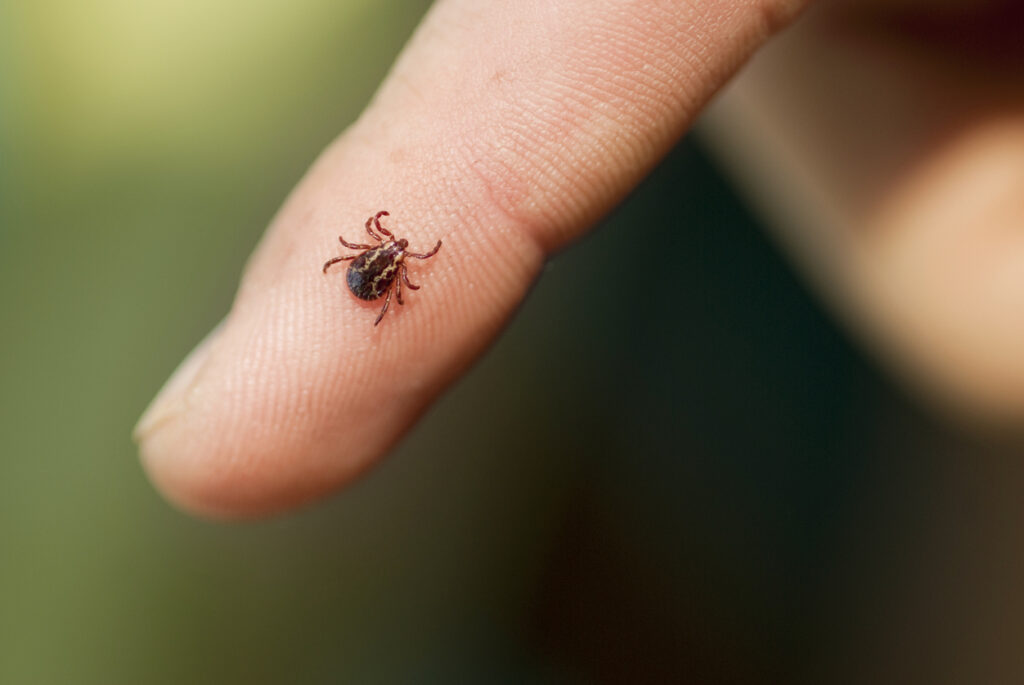
Ticks Commonly Found in East Tennessee
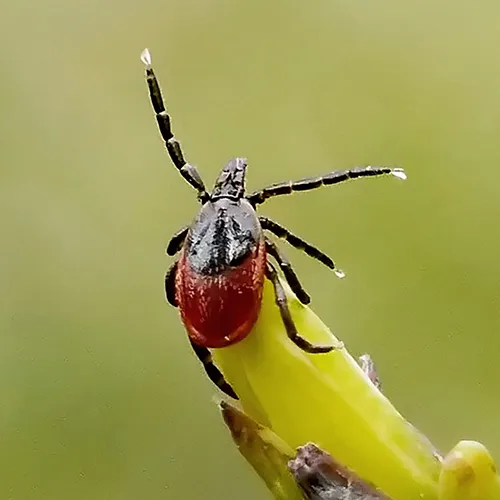
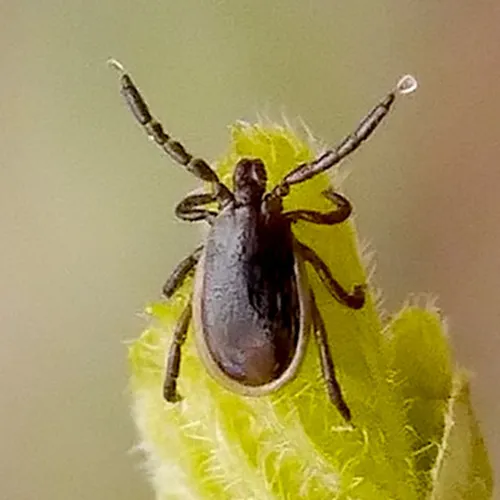
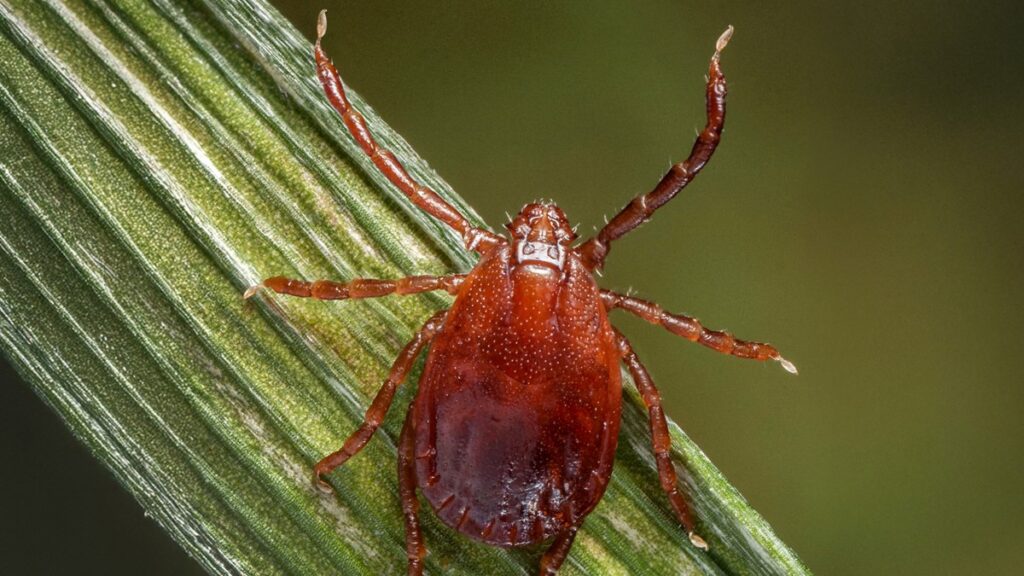
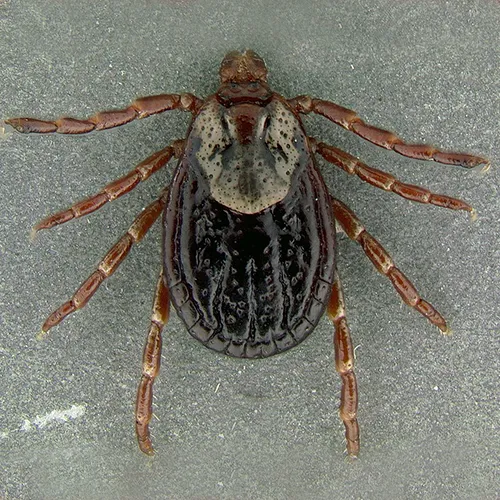
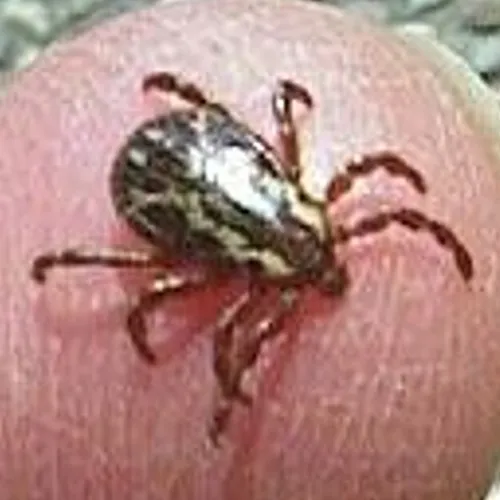
Tennessee is home to six tick species that can cause illness. While most tick bites are harmless, some species can transmit serious diseases:
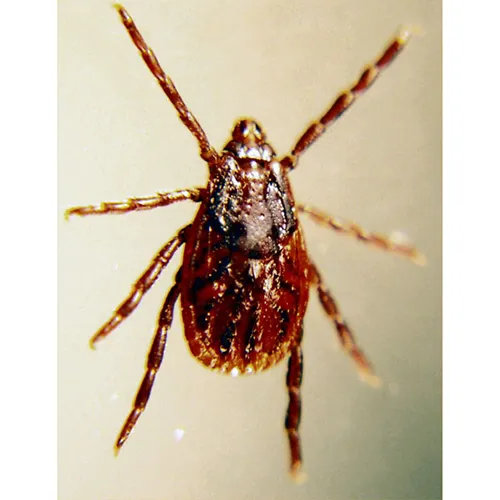
- American Dog Tick (Wood Tick) Tularemia: Rocky Mountain spotted fever
- Asian Longhorned Tick: Does not transmit diseases to humans
- Black-Legged Tick (Deer Tick): Lyme disease, anaplasmosis, babesiosis, Powassan encephalitis
- Brown Dog Tick & Gulf Coast Tick: Rocky Mountain spotted fever
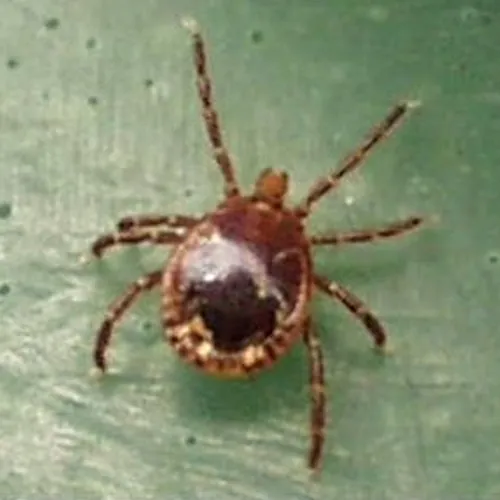
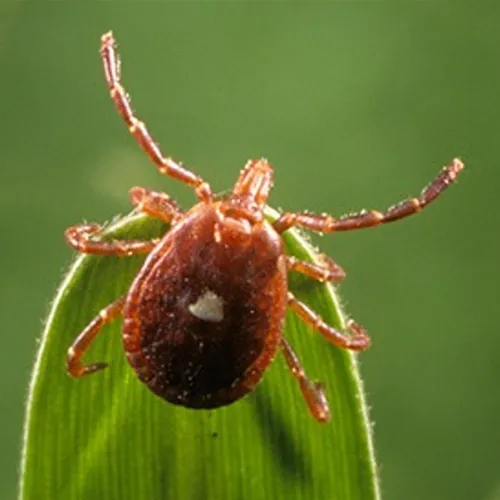
- Lone Star Tick: Ehrlichiosis tularemia, heartland virus, STARI, alpha-gal syndrome
Tick-Borne Diseases and Their Symptoms
Rocky Mountain Spotted Fever: Transmitted by the American Dog, Brown Dog and Gulf Coast ticks. Symptoms include fever, headache, muscle aches and a spotted rash that typically starts on the wrists and ankles. It can be severe if not treated quickly.
Tularemia: Transmitted by the American Dog and Lone Star ticks. Symptoms include sudden fever, skin ulcer at the bite site and swollen lymph nodes.
Lyme Disease: Transmitted by the Black-Legged Tick. Early symptoms include a bullseye rash, fever, fatigue and muscle aches. Untreated, it can affect the joints, heart and nervous system.
Anaplasmosis and Ehrlichiosis: Transmitted by the Black-Legged and Lone Star ticks. Both cause fever, headache, muscle pain and fatigue within 1–2 weeks of a bite.
Babesiosis: Transmitted by the Black-Legged Tick. Many people have no symptoms; others experience fever, chills, fatigue and anemia.
Powassan Encephalitis: Transmitted by the Black-Legged Tick. A rare but serious illness causing fever, headache, vomiting and, in severe cases, brain inflammation.
Alpha-Gal Syndrome: Triggered by the Lone Star Tick. Unlike other tick-borne illnesses, this causes an allergic reaction to red meat that can develop weeks after a bite.
When is Tick Season?
Ticks can be active year-round, but peak season runs April through October. Nymph (adolescent) ticks are most active April–June while adult ticks peak August–October.
Prevention Tips
Preventing tick bites is your best defense. When spending time outdoors, follow these steps:
- Wear light-colored clothing, long sleeves and pants tucked into socks
- Use an EPA-approved repellent with DEET or Picaridin on skin
- Apply permethrin to clothing or camping materials
- After any outdoor activity, shower promptly and do a full-body tick check. Pay close attention to joints, hairlines, behind the ears and anywhere clothing fits tightly. Check children and pets thoroughly too.
“Prevention is key, so wear protective clothing and use insect repellent when you’re in areas where ticks may be,” says Alicia Brooks, MD, Executive Medical Director of Primary Care at Covenant Health. “If you get a tick bite and you aren’t sure how long it’s been there, see your healthcare provider.”
How to Remove a Tick
Quick and full removal of the tick can lead to better outcomes.
- Use fine-tipped tweezers to grasp the tick as close to the skin as possible.
- Pull upward with steady, even pressure. Do not twist or jerk.
- Clean the area with soap and water, then apply antiseptic.
- Save the tick in a sealed bag or jar in case identification by a physician is needed.
- Call your healthcare provider, especially if the tick was attached for an unknown length of time.
When to See a Doctor
See a doctor if you develop a rash, fever or flu-like symptoms within a few weeks of a tick bite. If you find a tick on your body, and you’re not sure how long it’s been there, remove the tick and schedule an appointment as a precaution.
If you need help finding a primary care provider, visit Covenant Health’s Find a Doctor page or call 865-541-4500.
About the Author
Covenant Health
Headquartered in Knoxville, Tennessee, Covenant Health is a not-for-profit, community-owned, healthcare enterprise committed to providing the right care at the right time and place. Covenant Health is the area’s largest employer and has more than 11,000 compassionate caregivers, expert clinicians, and dedicated employees and volunteers.