
What Are ICDs, Loop Recorders and Pacemakers? Understanding the Devices That Help Protect Your Heart
- 4 minute read.
- Last Updated: 10/14/2026
Heart rhythm disorders can be difficult to detect and, in some cases, dangerous to ignore. Fortunately, advances in cardiovascular technology have made it easier than ever to diagnose abnormal heart rhythms and protect patients from serious complications.

Devices such as implantable cardioverter defibrillators (ICDs), implantable loop recorders and pacemakers play an important role in modern heart care. While these devices are often discussed together, each serves a different purpose, from monitoring irregular heart rhythms to delivering lifesaving treatment.
For patients in the Upper Cumberland, this technology is now even more accessible. Since May 2026, Covenant Health’s Cumberland Medical Center (CMC) has offered ICD implantation, expanding the hospital’s advanced cardiovascular services and allowing more patients to receive specialized heart rhythm care close to home.
“For many patients, receiving care close to home reduces stress and makes follow-up care easier,” said Jeremy Backstrom, RN, BSN, CNML, nurse manager of the Cardiac Cath Lab and Cardiopulmonary Rehabilitation at Cumberland Medical Center. “The addition of ICD implantation allows us to provide another level of specialized cardiovascular care right here in the Upper Cumberland.”
Understanding the Difference
Patients often hear terms like ICD, pacemaker and loop recorder and assume they are the same thing. While all three devices are used to monitor or manage heart rhythm conditions, they each have a unique purpose.
Pacemakers: Helping Slow Hearts Beat Normally
A pacemaker is a small, implanted device that helps regulate a heartbeat that is too slow. If the heart rate falls below a healthy level, the device sends gentle electrical signals to help keep the heart beating at a normal pace. Pacemakers are commonly used to treat bradycardia, a condition that causes an abnormally slow heart rate.
ICDs: Monitoring and Protecting Against Dangerous Rhythms
An implantable cardioverter defibrillator, or ICD, continuously monitors the heart’s rhythm. If it detects a dangerous rhythm that could lead to sudden cardiac arrest, the device can deliver therapy to restore a normal heartbeat. Many ICDs also provide pacemaker functions when needed. For patients at risk of life-threatening heart rhythm abnormalities, an ICD can be a critical layer of protection.
Loop Recorders: Finding Answers to Unexplained Symptoms
Unlike pacemakers and ICDs, implantable loop recorders do not treat heart rhythm problems. Instead, they record the heart’s electrical activity over an extended period, helping physicians identify rhythm abnormalities that may occur only occasionally. This can be especially helpful for patients experiencing unexplained fainting, dizziness or intermittent heart palpitations.
When Should You Seek Care?
Heart rhythm disorders can affect people of all ages and may cause symptoms such as:
- Dizziness
- Fainting or unexplained loss of consciousness
- Heart palpitations
- A racing or irregular heartbeat
- Unexplained fatigue
- Shortness of breath
These symptoms may not always signal a serious condition, but they should be evaluated by a healthcare provider. Early diagnosis can help prevent complications and lead to more effective treatment.
Diagnosing and Treating Heart Rhythm Disorders
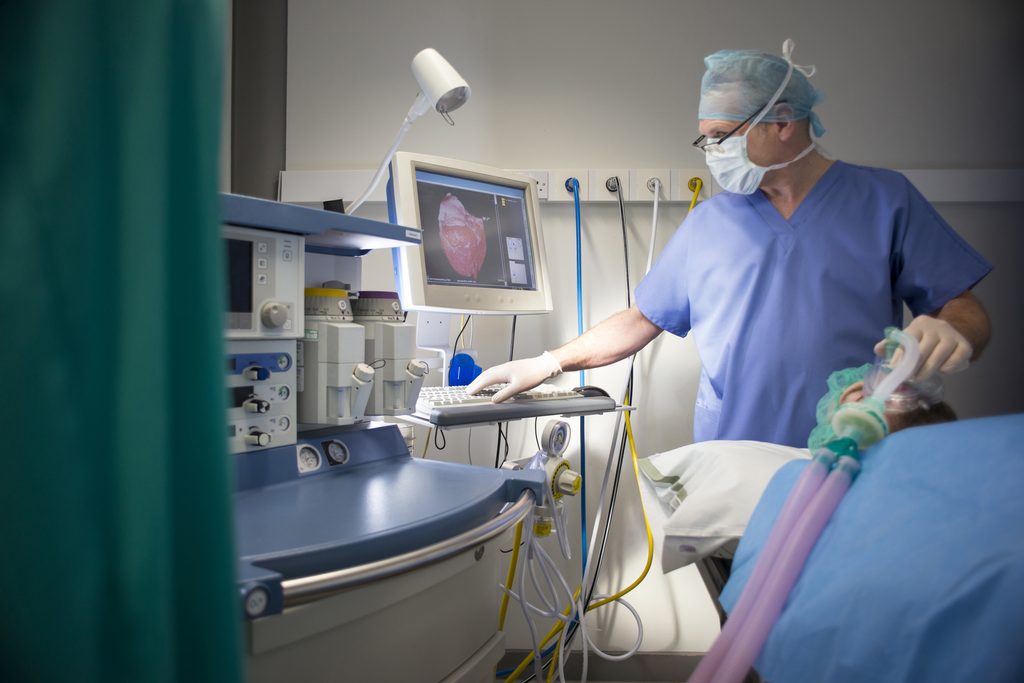
Diagnosing a heart rhythm condition often begins with a physical exam and testing that may include an electrocardiogram (EKG), heart monitoring or other cardiac evaluations. For some patients, an implantable loop recorder may help capture irregular heart rhythms that are difficult to detect during routine appointments.
Treatment depends on the underlying condition and may include:
- Lifestyle modifications
- Medication
- Pacemaker implantation
- ICD implantation
- Remote device monitoring
- Cardiac rehabilitation and follow-up care
Many modern cardiac devices can also be monitored remotely, allowing care teams to track important information and respond quickly when concerns arise.
Advanced Heart Care Close to Home
The addition of ICD implantation represents an important milestone for cardiovascular care at Cumberland Medical Center. Patients have access to advanced heart rhythm services closer to home through Covenant Health.
Available services include:
- Comprehensive heart rhythm evaluations
- Implantable loop recorder placement and monitoring
- Pacemaker implantation and management
- ICD implantation and follow-up care
- Remote device monitoring
- Cardiac rehabilitation services
“Our goal is to ensure patients have access to high-quality cardiovascular care without having to travel far from home,” Backstrom said. “By expanding the services available at Cumberland Medical Center, we’re making advanced heart rhythm treatment more accessible for the communities we serve.”
Take the Next Step for Your Heart Health
If you’re experiencing heart palpitations, dizziness, fainting episodes, unexplained fatigue or an irregular heartbeat, don’t ignore the symptoms. Early evaluation can help identify heart rhythm problems before they become more serious.
Visit the Covenant Health Cardiology Services page to learn more and connect with a heart care provider.