
Understanding Heart Arrhythmia
- 4 minute read.
- Last Updated: 5/13/2026
When your heart changes rhythm, it can be scary. But an irregular heartbeat doesn’t have to mean uncertainty. At Covenant Health, patients across East Tennessee find something steady: trusted cardiac experts, advanced technology and compassionate care close to hom
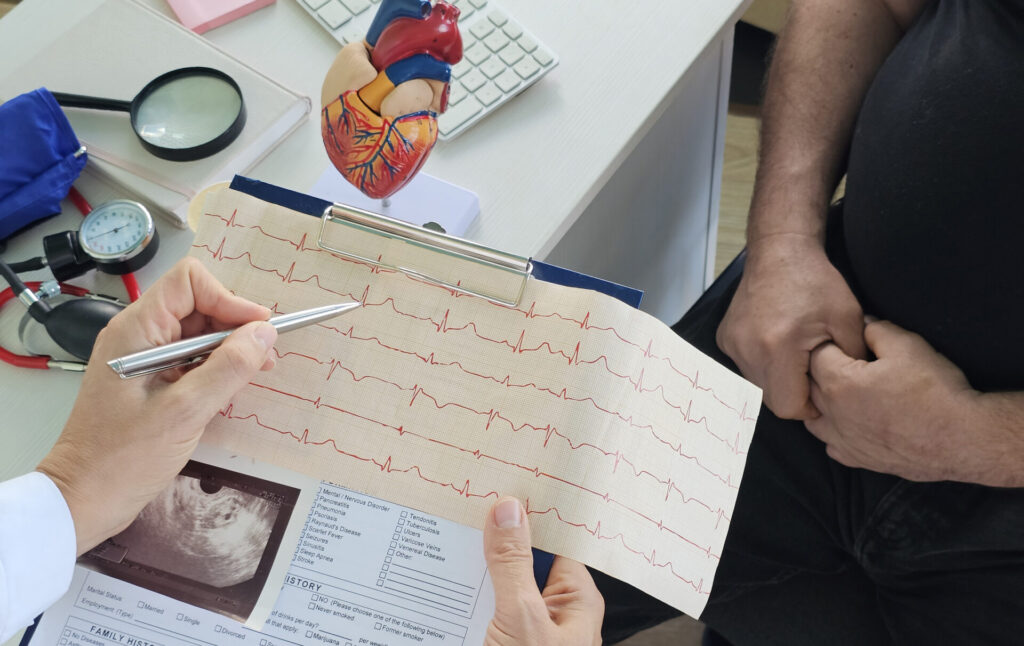
Heart arrhythmias are common, often treatable and increasingly manageable with today’s tools. Knowing what to watch for and where to turn makes all the difference.
What Is Heart Arrhythmia?
Arrhythmia happens when the heart beats too fast, too slow or in an uneven pattern. Your heart relies on electrical signals to keep a steady rhythm. When those signals get disrupted, your heartbeat can change.
“An arrhythmia is your heart’s electrical system getting out of sync,” says Larry Justice, MD, interventional cardiologist with Covenant Health at Parkway Cardiology Associates. “When that happens, our goal is to help the heart safely find its rhythm again.”
Some arrhythmias are harmless. Others need medical care. The key is recognizing symptoms early and having the right experts guide next steps.
Why Do Arrhythmias Happen?
Arrhythmias can develop for many different reasons. Sometimes there’s an identifiable cause, while other times they appear unexpectedly. Many factors can increase a person’s risk, including:
- Heart disease or heart failure
- High blood pressure
- Diabetes
- Thyroid conditions
- Sleep apnea
- Electrolyte imbalances
- Certain medications, especially stimulants
- Excess caffeine or alcohol
- Tobacco use
- Obesity
- Family history
- Age
Symptoms to Watch For
- Fluttering heartbeat
- Racing heartbeat
- Skipped beats
- Dizziness
- Fatigue
- Chest discomfort
- Shortness of breath
Unusual symptoms can also occur, such as sudden weakness, fainting or confusion. If you suddenly experience any of these symptoms, seek medical attention right away.
How Arrhythmias Are Diagnosed
Diagnosing arrhythmia often involves several tests that demonstrate how your heart’s electrical system is functioning. Common diagnostic tools include:
- EKG (Electrocardiogram): Records your heart’s electrical activity to identify rhythm abnormalities
- Holter monitor: Wearable device that tracks your heartbeat continuously over 24–48 hours
- Stress test: Evaluates how your heart responds to physical activity
- Echocardiogram: Uses ultrasound to assess heart structure and function
- Electrophysiology study: Maps the heart’s electrical pathways to pinpoint the source of rhythm issues
These tests help your provider determine how your heart is working, whether symptoms occur during activity or rest and what type of rhythm problem may be present. Understanding the exact cause allows your care team to choose the safest and most effective treatment for you.
Treatment Options
- Lifestyle changes: Improving diet, reducing caffeine or alcohol, managing stress and increasing activity
- Medications: Helping to control heart rate or rhythm
- Cardioversion: Controlled electrical shock that restores a normal heartbeat
- Pacemakers: Small implanted devices that help regulate heartbeats
- Implantable cardioverter defibrillators: Devices that detect dangerous rhythms and deliver a life‑saving shock if needed
- Cardiac rehabilitation: Supervised exercise and education programs that support long‑term heart health
While some arrhythmias are harmless, others require medical attention, and the right treatment depends on the type and cause of the rhythm problem.
When to See a Doctor
- Frequent palpitations
- Heartbeats that feel too fast or too fast
- Irregular heartbeat
- New or worsening fatigue
- Dizziness
- Shortness of breath
If you experience chest pain, fainting, severe shortness of breath or collapse, this may signal a serious or life-threatening arrhythmia. These symptoms require emergency care. Call 911 and go to the nearest emergency room immediately.
Excellence You Can Trust Close to Home
Covenant Health hospitals consistently earn American Heart Association recognition and offer accredited cardiac rehabilitation programs across East Tennessee.
With more than 25 locations across Knoxville and East Tennessee, Covenant Health brings more heart care to more places. That means expert cardiologists and advanced facilities are always close to home. Learn more or find a Covenant Health cardiology location near you by calling 865-374-0411.