
How Faith Navigated TRAP Sequence, a Rare Pregnancy Complication, with Covenant Health

- 5 minute read.
- Last Updated: 8/27/2026
When Faith Willenborg went in for a routine ultrasound, she expected a typical prenatal visit. Instead, her care team saw something unusual that needed immediate attention. “They told us we needed to be seen by high risk as soon as possible,” she said.
That referral led Faith to Covenant Health’s Fort Sanders Perinatal Center, where a team of maternal fetal medicine specialists began managing her high-risk pregnancy. They coordinated the specialized care she and her baby would need. With their support, Faith was able to navigate pregnancy challenges and safely deliver her healthy baby boy. Isaac.
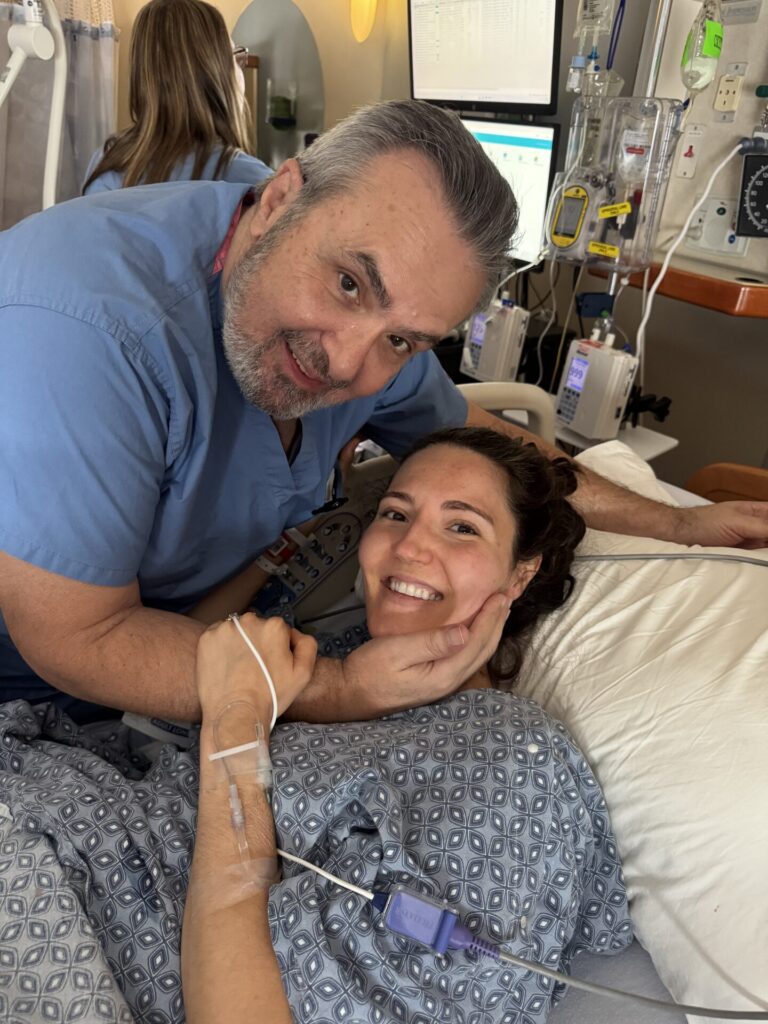
A Rare and Complex Diagnosis
After being referred to the perinatal center, Faith met with maternal fetal medicine specialist Steven Andrade, MD. After further evaluation, he diagnosed her with a rare condition known as Twin Reversed Arterial Perfusion (TRAP sequence).
Faith remembers the moment clearly. “Most importantly, Isaac was okay,” she said. “He wanted us to focus on that before he explained TRAP in great detail.”
TRAP sequence occurs in roughly 1 in 35,000 pregnancies. With this condition, identical twins begin developing, but only one twin continues normally. The other lacks vital structures such as the heart and brain, creating a mass of tissue. The healthy baby’s heart works twice as hard to support this mass, but it often leads to heart failure if not addressed.
The condition requires advanced monitoring and possibly fetal surgery. Covenant Health’s team moved quickly, coordinating with specialists at Cincinnati Children’s Hospital, one of the few centers in the country equipped to perform the delicate procedure.
Undergoing Fetal Surgery
At 26 weeks, Faith underwent minimally invasive fetal surgery to stop blood flow to the mass. She remembers the emotional moments that followed: “How do you thank someone who performs fetal surgery? All I could do was reach out my hand. I wanted her to know how thankful I was that she had given Isaac the best chance at having a normal life.”
The surgery worked, but Faith still needed close care once she returned home. Maternal fetal medicine specialist, Angela Seasely, MD coordinated Faith’s transfer back to Knoxville, where Faith stayed inpatient for an additional week.
For the remainder of her pregnancy, Faith received weekly monitoring from the perinatal team. “The ultrasound techs did so much of our care,” she said. “And the physicians… making sure nothing was missed. They knew who we were before we even met them.”
Her husband Joe felt it too. “It felt like they were having meetings about us,” he said. “We knew they weren’t afraid to reach out to specialists if needed. We knew they had us covered.”
Ongoing Support in Pregnancy
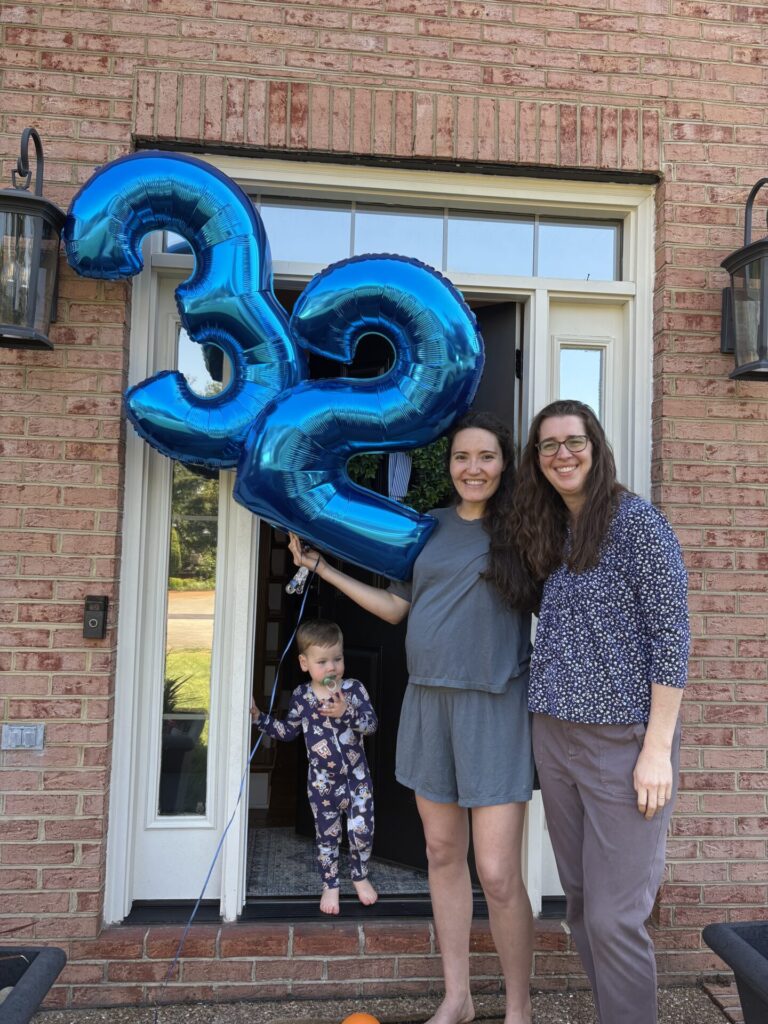
Following surgery, Faith spent nine weeks on restricted activity while her care team closely monitored Isaac’s growth and development. She spent her days resting at home, following strict activity limits and doing everything she could to protect Isaac’s health.
During that time, she relied on support from her family, friends and faith community.
“My faith carried me,” she said. “I spent a lot of time talking to the Lord and praying.”
Joe took on every household task. Family and friends stepped in to help with meals, laundry, childcare for their toddler and preparing for baby Isaac’s arrival. Each week became an important milestone as the pregnancy continued to progress.
Her physicians had prepared the family for the challenges associated with carrying the pregnancy into the third trimester, but Isaac continued to do well.
Every Saturday, they marked another week of Isaac’s growth with cake, candles and balloons. These small celebrations reminded them that they were still moving forward.
Welcoming Isaac
When Faith went into labor at 35 weeks, she was admitted into the same hospital room where she had prayed after her surgery. “It was so redeeming,” she said. “Miracles had happened.”
“I never thought we would make it to 35 weeks,” Faith said. “I fought to get as much time as I could.”
During delivery, Periclis Roussis, MD asked Joe if he wanted to help bring Isaac into the world. “It was completely unexpected,” Joe said. “But after the fact, it was incredible.”
Isaac arrived safely at 35 weeks, stable and ready to meet his family.
Going Home
After birth, Isaac spent 10 days in the NICU at Dolly Parton Children’s Hospital.
“The NICU staff was absolutely incredible,” Faith said. “They cared for Isaac, but they cared for us too. I felt supported every single day.”
When Isaac was discharged, Faith and Joe were excited to finally begin the next chapter of their family at home.
“We felt like we were dreaming when we actually got to go home,” Faith said. “We fought so hard for him.”
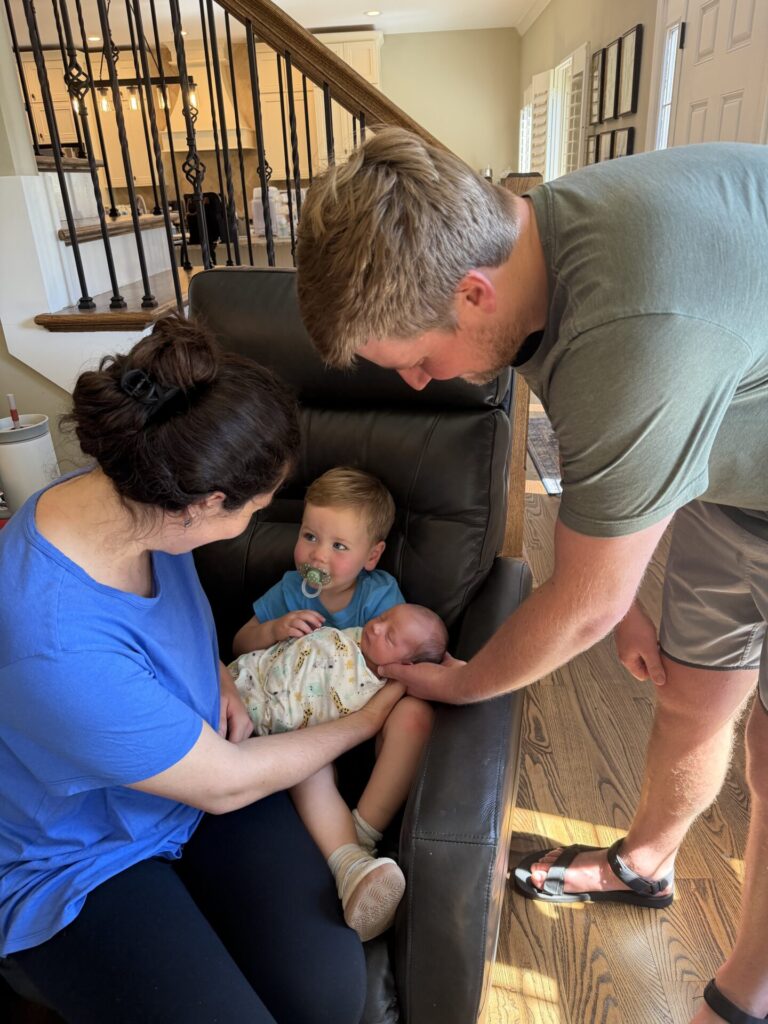
Their toddler, Lucas, also finally met his baby brother after months of anticipation. He sang “Rocky Top” to him and offered him a pacifier, his own way of welcoming Isaac home.
Expert Care Close to Home
Today, Faith hopes her story encourages other moms facing high-risk pregnancies.
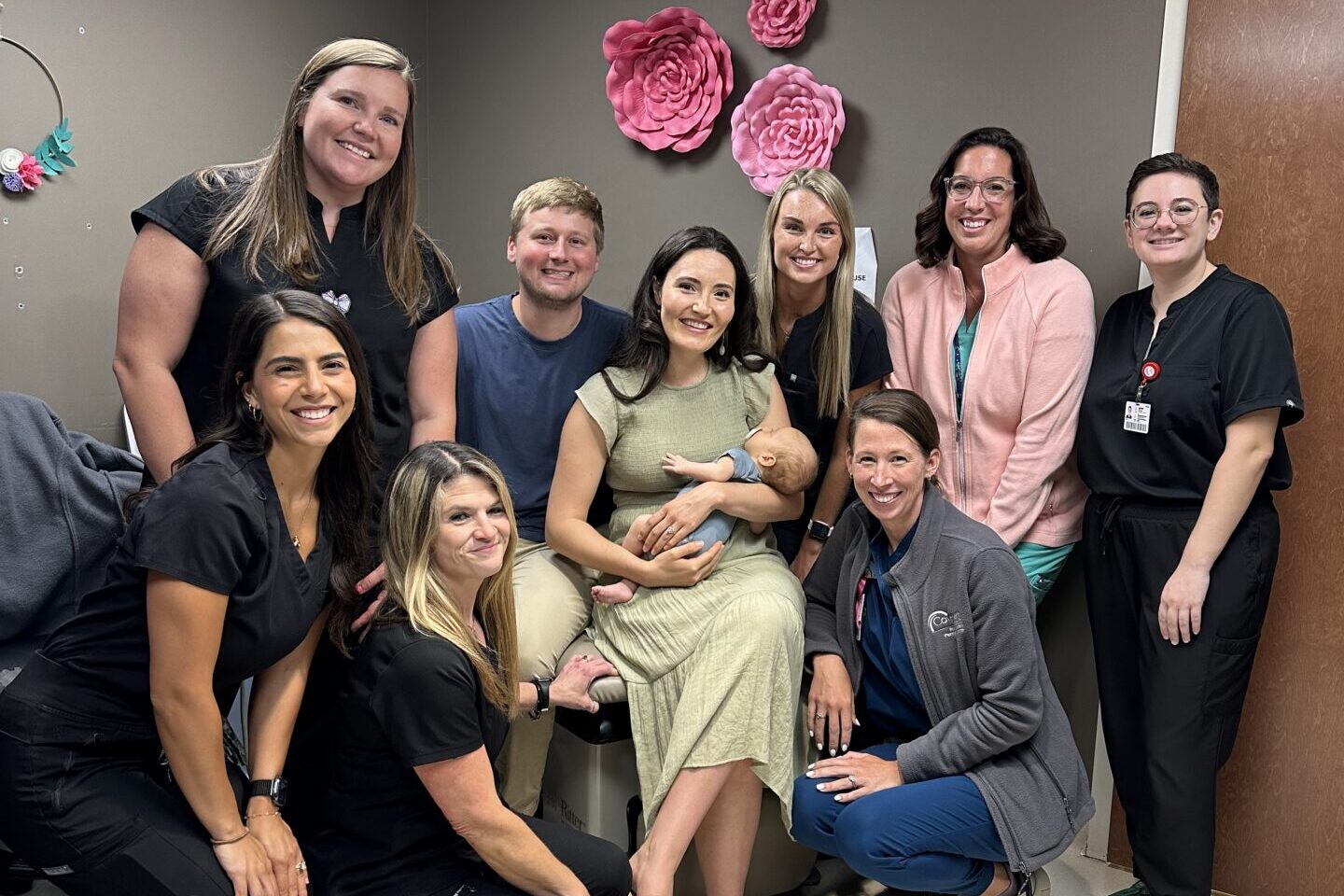
The specialists at Fort Sanders Perinatal Center provide advanced care and work closely with patients, families and other physicians. They are committed to delivering the best possible outcomes for mothers and babies.
Find support with a specialist today.
Watch Faith’s Video:
About the Author
Covenant Health
Headquartered in Knoxville, Tennessee, Covenant Health is a not-for-profit, community-owned, healthcare enterprise committed to providing the right care at the right time and place. Covenant Health is the area’s largest employer and has more than 11,000 compassionate caregivers, expert clinicians, and dedicated employees and volunteers.