
The Vagus Nerve: A Powerful Link Between Stress and Whole-Body Health
- 4 minute read.
- Last Updated: 4/29/2026
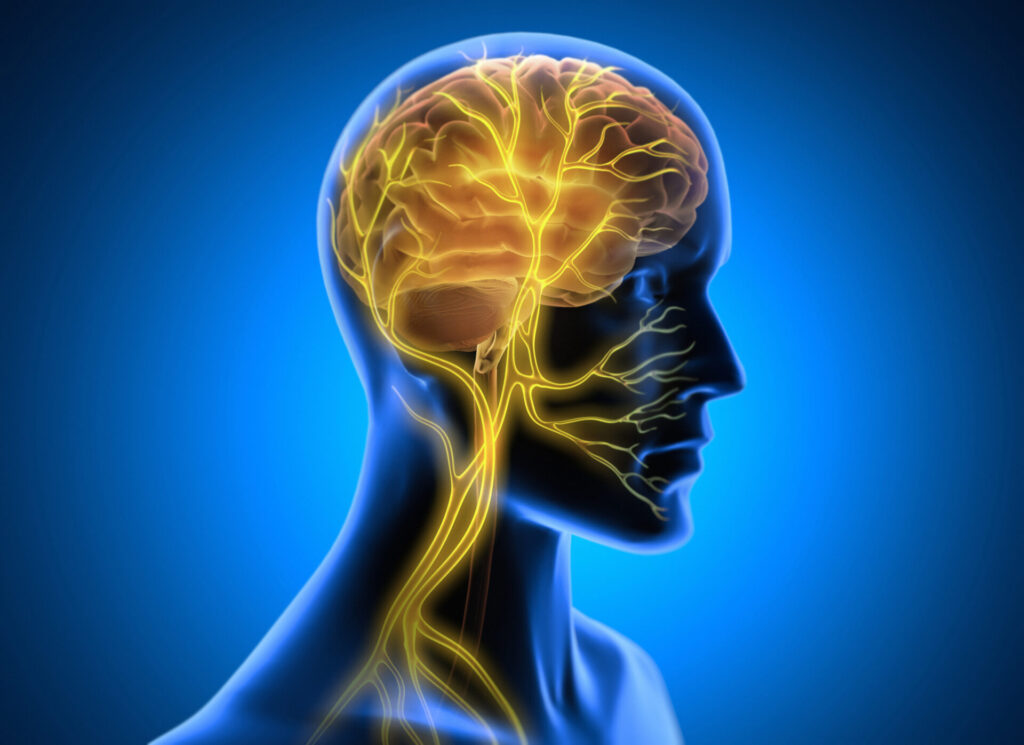
The vagus nerve plays a key role in how your body calms itself, digests food and responds to stress. If your heart races under stress, your stomach feels unsettled or calm never seems to last; one powerful nerve may be at the center of it all.
Learning how this nerve works can help you understand your symptoms and take steady steps toward better health.
What is the Vagus Nerve?
Often called the reset pathway, the vagus nerve plays a central role in how your body calms itself, digests food, regulates inflammation and recovers from stress. As the longest cranial nerve in the body, it starts in the brain and runs through the neck to the heart, lungs and digestive system.
It is a major part of the parasympathetic nervous system, often called the “rest and digest” system. While the stress response activates your body, the vagus nerve helps bring everything back into balance.
As modern medical research continues exploring the mind-body connection, this nerve has become a growing focus in modern healthcare. We are learning more about how deeply this nerve influences overall health.

“Think of your vagus nerve as a reset button after a stressful event. It helps slow the heart rate, ease breathing and signal that it’s safe to recover,” stated Nicole Shields, MD, FAAFP, primary care physician and medical director of clinical informatics for Covenant Health. “When it’s working properly, you can manage and recover from stress well. When it’s not working right, it can lead to severe and lasting stress symptoms.”
What Does the Vagus Nerve Control?
The vagus nerve helps your body exit its fight or flight mode. Because it links the brain to so many organs, it influences many everyday functions, including:
- Heart rate
- Breathing
- Blood pressure
- Digestion
- Appetite and fullness cues
- Immune and inflammatory response
- Mood regulation and stress recovery
Dr. Shields noted, “When this system is out of balance, symptoms may seem unrelated, but they often share a common source.”
Symptoms of Vagus Nerve Dysregulation
Vagus nerve-related concerns can appear in different ways. Common signs include:
- Ongoing heartburn or reflux
- Bloating or slow digestion
- Trouble swallowing
- Nausea or reduced appetite
- Lightheadedness during stress
- Mood changes that do not improve
Conditions Related to Vagus Nerve Dysregulation
When the vagus nerve is disrupted, health conditions may develop or worsen. Research has linked impaired vagus nerve function to many disorders. Underlying causes may include:
- Chronic digestive disorders
- Inflammatory conditions
- Stress-related mood disorders
- Blood pressure or heart rate irregularities
- Diabetes
- Autoimmune diseases
- Previous surgeries
“When the vagus nerve isn’t functioning properly, it can impact both the digestive and cardiovascular systems. Symptoms feel scattered rather than localized,” said Dr. Shields. “The good news is that we can help patients find ways to “reset” their vagus nerve and find more peace.”
How You Can Support Healthy Vagus Nerve Function
You can support good vagus nerve function with just a few simple steps:
- Slow, intentional breathing
- Mindfulness and meditation
- Gentle movement, such as yoga or Qi Gong
- Regular physical activity
- Hydration
- Balanced nutrition
The most effective support comes from steady, safe care over time rather than quick solutions.
Find Expert Care Near You
Your body sends signals for a reason. If stress, stomach discomfort, or unexplained symptoms are affecting your daily routine, expert care is close by.
Covenant Health offers convenient access to primary care, physical therapy centers and wellness programs across East Tennessee. Care teams work together to support whole-body health.
Schedule a visit with a Covenant Health primary care provider or schedule a Qi Gong or yoga class at the Covenant Health Fitness Center. If you’d like to learn more about how physical therapy can support your vagus nerve, call a Covenant Health Therapy Center.