
How to Practice Safe Sleep for Babies
- 5 minute read.
- Last Updated: 3/19/2026
Safe sleep saves lives.

“We want every parent to feel confident bringing their baby home,” said Nikki Benner, MSN, RNc-OB, nurse manager of the Childbirth Center at Covenant Health Parkwest. “Our staff is dedicated to the safety of our moms and newborns. Every team member is trained in safe sleep practices, and we reinforce these techniques with families before they leave the hospital.”
Why Safe Sleep Matters
Sudden Unexpected Infant Death (SUID), which includes Sudden Infant Death Syndrome, accidental suffocation and other unexplained causes, is the leading cause of death for babies between one month and one year old. The good news is that simple, consistent, safe sleep habits can greatly reduce these risks.
Covenant Health teaches families the most important steps to keeping babies safe during sleep. These practices are easy to follow, backed by national guidelines and proven to protect infants.
Safe Sleep Basics Every Family Should Know
Back to sleep
Babies should always be placed on their backs for naps and nighttime sleep. This position keeps their airway clear and reduces the risk of suffocation.
Use a firm, flat sleep surface
A crib, bassinet, portable crib or play yard that meets Consumer Product Safety Commission standards is safest. The mattress should be firm and covered only with a fitted sheet.
Share the room, not the bed
Keeping your baby’s sleep space in your room for at least the first six months — ideally up to one year — helps reduce risk. Babies should always sleep in their own safety approved space.
Keep the crib clear
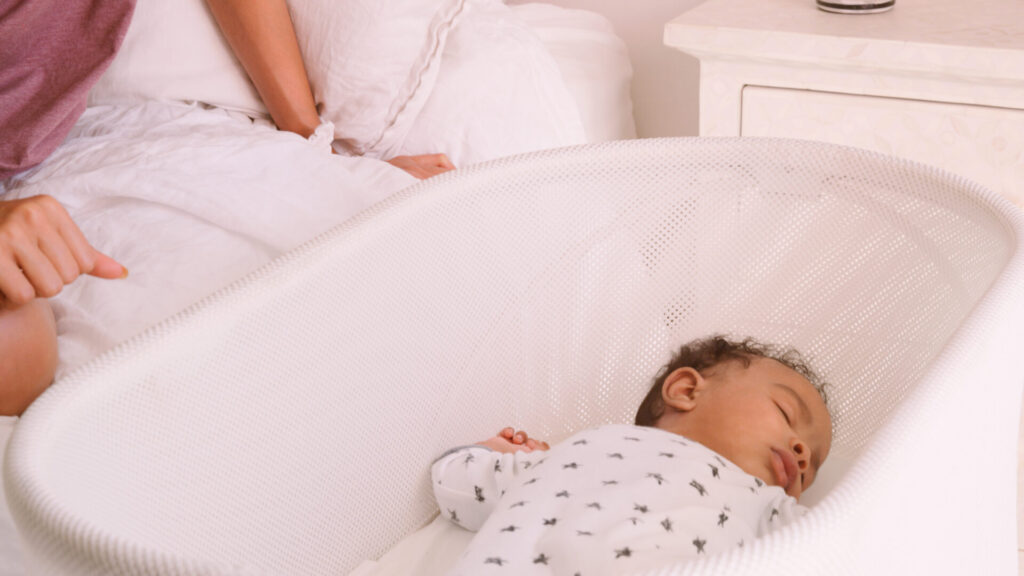
Soft items can block a baby’s airway. Keep the sleeping area free of:
- Pillows
- Blankets
- Stuffed animals
- Crib bumpers
- Positioners, wedges, loungers or in-bed sleepers
Avoid sleep in sitting devices
Car seats, strollers, swings, bouncers and infant carriers are not safe for routine sleep. If your baby falls asleep in one, move them to a safe sleep surface as soon as you can.
Prevent overheating
Dress your baby in light sleep clothing and keep the room at a comfortable temperature. Dress babies in only one more layer than an adult would wear in the same environment. Once home from the hospital, babies should not sleep in hats indoors. Check for signs of overheating such as sweating, a hot chest or flushed skin.
Every family delivering at Parkwest receives a safe sleep education packet and a sleep sack to take home, compliments of local organization Maw’s Cause. These wearable blankets help keep babies warm without the dangers of loose bedding.
“Sleep sacks are wonderful because they act as wearable blankets,” Benner said. “They replace loose blankets that could cover a baby’s face and interfere with breathing. They’re soft, cozy and help babies sleep more comfortably and safely.”
Breastfeeding and pacifiers
Breastfeeding is recommended by the American Academy of Pediatrics (AAP). Once breastfeeding is well established, offering a dry pacifier at naps and bedtime may help reduce the risk of SUIDs. Pacifiers should not be attached to strings or clips during sleep.
Skin-to-skin contact
Supervised skin-to-skin time is recommended for all mothers and infants immediately after birth and for at least the first hour. The AAP suggests that skin-to-skin is good to continue in the postpartum period when the parent is awake and alert. It can have the following positive effects on your newborn:
- Stabilizes a newborn’s temperature, heart rate and breathing
- Helps regulate blood sugar
- Reduces crying
- Supports bonding
- Increases breastfeeding success
- Lowers maternal stress
Stay on track with well child visits

Regular checkups and recommended vaccines support your baby’s overall health and safety. Providers can spot issues that may affect sleep safety, such as:
- Prematurity or medical conditions that increase SUIDS risk
- Unsafe sleep habits developing at home
- Parental fatigue that may lead to unintentional unsafe sleep situations
Addressing these early reduces risk. Families can visit the Safe Sleep Academy website to find more safe sleep resources.
Our Commitment to Families
Covenant Health is proud to be recognized across the region for excellence in infant safe‑sleep practices. Several of our hospitals have earned Gold Certified National Safe Sleep Champion status, the highest honor awarded for creating safe sleep environments and providing families with evidence‑based education.
These recognitions reflect our organization’s shared commitment to protecting newborns and supporting families with clear, reliable safe‑sleep guidance from the very first day.
To see how each Covenant Health hospital is certified, visit the National Safe Sleep Hospital Certification Program.
To learn more about safe parenting practices, visit our Teddy Bear University page.