
Hyperbaric Oxygen Therapy: a Hidden Gem for Healing
- 6 minute read.
- Last Updated: 2/12/2026
While modern cancer treatments like chemotherapy and radiation can be life-saving, they also can cause long-term side effects. Many times after surviving cancer, the effects of both the disease and its treatments can last for years. These side effects can include pain, tissue damage, and problems with organ function.
One form of therapy that can alleviate these symptoms and aid patients in healing is hyperbaric oxygen therapy, or HBOT. This form of therapy is an evidence-based treatment that is demonstrated to heal and reduce the severity of wounds, infections, and late effects of radiation. In patients who complete the treatment recommended by their physicians, the rate of healing ranges from 85 to 95 percent.
Hyperbaric oxygen therapy is effective in the treatment of many medical conditions. The most common conditions for which patients seek relief are diabetic foot injuries that won’t heal, non-healing or complex surgical wounds like skin grafts, and late-radiation therapy injuries.
Healing in Our Backyard
The Hyperbaric Center at Parkwest is located at the Physicians Plaza next to Parkwest Medical Center. The Hyperbaric Center at Parkwest includes four hyperbaric-trained physicians, a
hyperbaric-trained nurse practitioner, a practice manager, and four full-time emergency medical technicians who are trained in hyperbaric medicine. Patients receiving hyperbaric oxygen therapy come five or six days per week for sessions lasting approximately two hours.
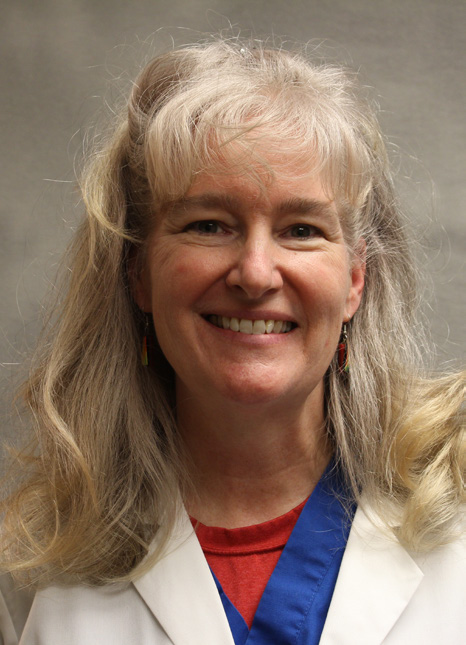
Lindsey Harrell, MD, treats dozens of patients each week with hyperbaric oxygen therapy. “We see an extraordinary success rate for our patients receiving this therapy,” says Dr. Harrell. “The benefits of hyperbarics enable the body to repair itself in ways you can’t get from just breathing in regular air,” she explains. “The reason this works is that it stimulates our bodies to form new blood vessels and create new tissue, which can also heal tissue that may be injured from radiation.”
How HBOT Works
Hyperbaric oxygen therapy delivers high doses of oxygen to the body through specialized headgear while the patient is inside a pressurized air treatment room. This combination allows the oxygen to dissolve into each patient’s bloodstream, helps reduce swelling, hyperoxygenates tissues, and stimulates the growth of new blood vessels. HBOT is an adjunctive therapy that must be used as part of a larger healthcare plan to complete treatment. Adding HBOT to a patient’s treatment plan is proven to significantly increase healing when compared to following standard care alone.
Dr. Harrell confirms that visiting the center and receiving HBOT is safe and has continued to be safe during the pandemic. “During COVID, we have stayed operational and are strict about masking,” she reports. “We take our patients’ temperatures, fill out a questionnaire with screening questions, and supply a high-grade mask for each patient to use while in our office and in the chamber.” Dr. Harrell explains that once a patient is settled in the chamber, he or she receives their own personal breathing system. “It’s like their own personal bubble,” she says. Patients breathe 100 percent oxygen while the chamber is pressurized to the level of 45 feet under the surface of the ocean. Much like drinking water has benefits to our whole system, breathing in pure oxygen in a pressurized area benefits the entire body, she says.
Improved Quality of Life
Examples of people with radiation injuries who may benefit from HBOT include women who have had radiation to their chest after breast cancer and are experiencing decreased range of motion, pain, and induration. The therapy also heals tissues in breast reconstruction surgery that have been affected by radiation. Men who have had radiation in their abdomen or groin after prostate cancer may have tissue damage in the bladder and bowel.
Patients who have had radiation to the head, neck, and chest area are referred to the hyperbaric oxygen therapy center because they may have trouble eating or swallowing. Dr. Harrell reports having seen patients with exterior skin discoloration that has healed and gone back to normal because the therapy helps restore tissue both internally and externally. She emphasizes that injuries from radiation can worsen over time, so individuals who are completing their radiation therapy should still consider hyperbarics six months to two years — or even 10 years — after radiation treatments end and consult with their physician about HBOT. “The other two subsets of wounds we see are diabetic foot ulcers and surgical referrals,” says Dr. Harrell. “Patients who have had a skin graft or amputation have success in seeing that the wound heals post-surgery. A flap, or when the skin is pulled to a new spot and has to heal, can also benefit from hyperbarics, as wounds can develop from these procedures.”
Providing a Positive Outlook
Dr. Harrell has witnessed patients who were referred to her as a “last stop because nothing else has worked” to relieve pain or help with tissue damage. She says, “We have seen people who are depressed, even suicidal, because their quality of life has been impacted by an injury or disorder. We see this therapy change their lives. They are healing tissues internally or externally and able to re- turn to their previous level of function they had prior to their radiation, surgery, wound, etc.” Seeing such a high success rate in her patients has made Dr. Harrell a strong advocate for hyperbaric oxygen therapy, and she encourages anyone who thinks they might be a candidate to simply call and ask. Her office will even send a referral sheet to a patient’s primary care office; no specialist referral is required. She shares, “We know it’s a time commitment, two hours a day for several weeks or months. But we see our patients regularly and develop that relationship. We see their lives change and quality of life improve.”
Talk to your doctor about a referral to the Hyperbaric Center at Parkwest for safe, effective treatment that’s natural and non-invasive. For information, visit The Hyperbaric Center or call (865) 373-2030.
The Hyperbaric Center at Parkwest
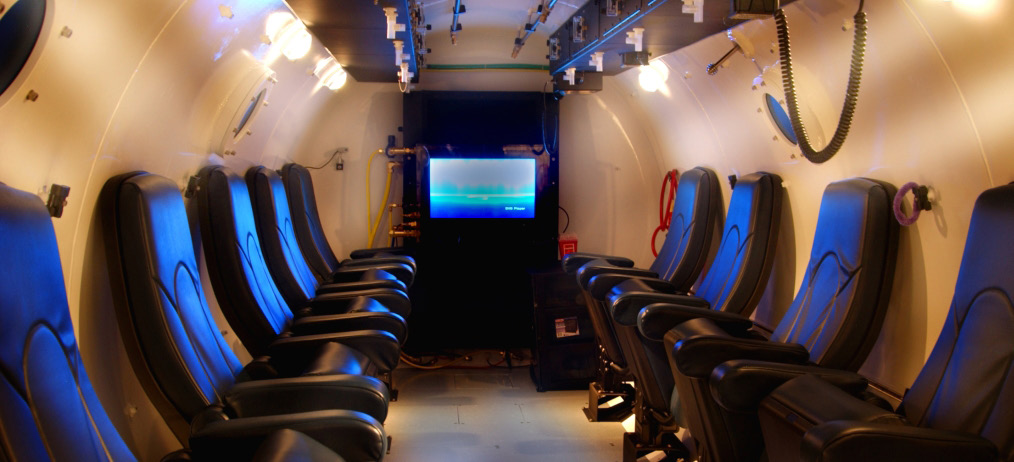
Our hyperbaric center is home to the only hyperbaric chamber in East Tennessee that can treat up to 10 patients at a time. Hyperbaric oxygen therapy delivers high doses of oxygen to the body through specialized headgear worn while a patient is inside a pressurized air treatment room. This combination allows the oxygen to dissolve into each patient’s bloodstream and helps reduce swelling, control infections, and stimulate the growth of new blood vessels. HBOT is an evidence-based treatment demonstrated to heal and reduce the severity of wounds and infections. Among patients who complete the treatment recommended by their physicians, the rate of healing is greater than 85 percent.
Unlike monoplace chambers, in which only one patient can receive treatment at a time, the multiplace hyperbaric chamber is more comfortable, flexible, and spacious. Hyperbaric oxygen therapy treats patients with medical conditions, including:
- Chronic non-healing diabetic foot wounds
- Compromised skin grafts or flaps
- Chronic bone infections
- Bone or tissue injury resulting from radiation therapy
What Happens in the Chamber
Here’s what happens from the time you arrive at the Hyperbaric Center at Parkwest for treatment until the time you leave:
- A technician takes your blood pressure and asks a series of questions.
- You and your group go to the chamber together.
- After you are seated the door will close, and you’ll hear machinery begin to run.
- Your ears may pop, the same way they do on an airplane in flight.
- A clear plastic hood is placed on your head.
- While you breathe 100 percent oxygen, you may watch the provided movie, read, or even take a nap.
- The treatment lasts about two hours.