
Midwife Services
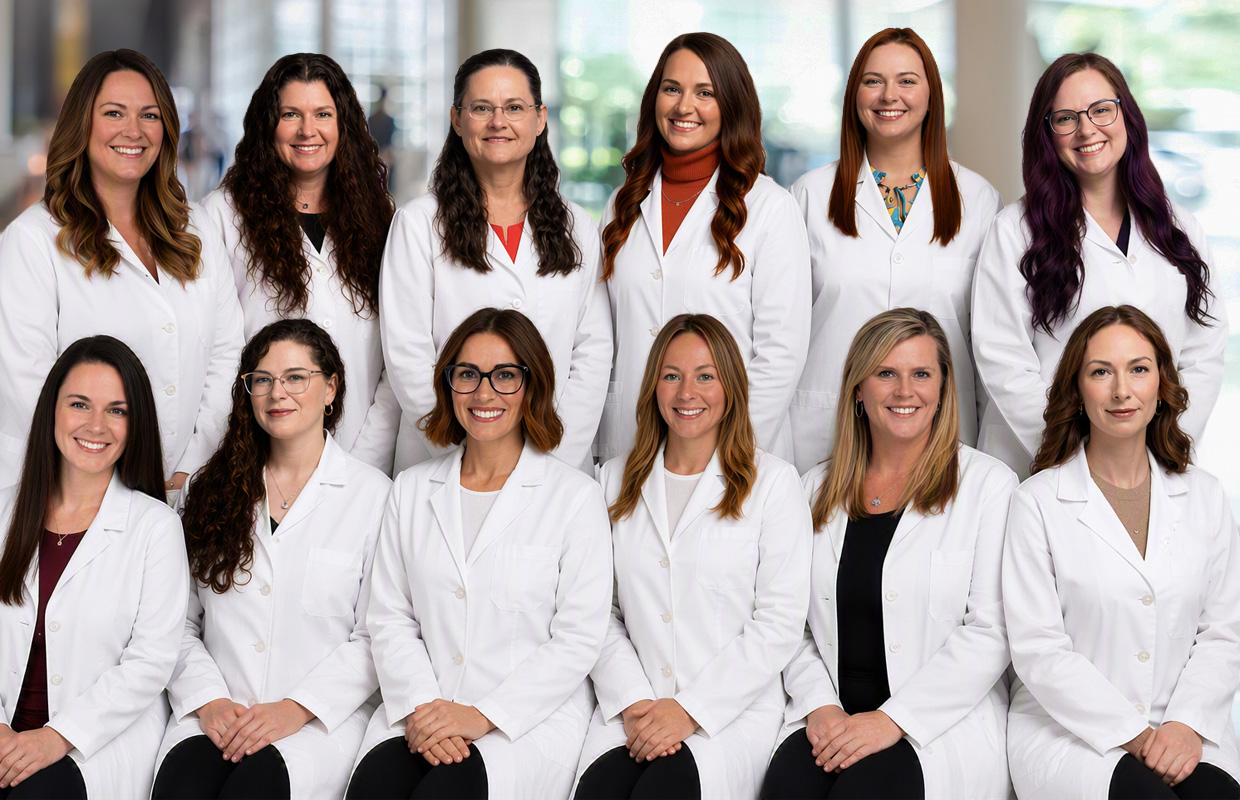
At Covenant Health, every birth journey is unique, and so is every mother’s care. Our midwives provide compassionate support that honors your choices and keeps you and your baby safe.

What Is a Midwife?
A midwife is a trained healthcare professional who provides care during pregnancy, labor, birth, and postpartum. At Covenant Health, all of our midwives are Certified Nurse Midwives (CNMs) — licensed providers with advanced training in women’s health and midwifery.
Our CNMs care for women across all stages of life, offering gynecologic services, reproductive health care, and wellness support. They work closely with OB/GYN physicians to ensure every patient receives safe, coordinated, and compassionate care.
What Does a Midwife Do?
Our midwives offer a full range of women’s health services, including:
- Family planning and contraception counseling
- Prenatal care and education
- Labor and birth support, including natural pain‑management techniques
- Postpartum care, newborn care, and breastfeeding support
- Annual exams and routine screenings
- Menopause care and wellness services
Doula vs. Midwife
| Doula | Midwife | OB/GYN |
| Non-medical support person | Licensed healthcare provider | Medical doctor |
| Provides emotional and physical support | Provides prenatal care, attends births, offers postpartum care | Manages low- and high-risk pregnancies |
| Cannot provide medical care | Can prescribe medications | Performs surgeries, including C-sections |
| Works alongside midwives or doctors | Ideal for low-risk pregnancies | Required for high-risk or complex pregnancies |
Midwife vs. OB/GYN
| Midwife | OB‑GYN |
| Focus on low‑risk pregnancies and natural birth experiences | Specialize in both low‑ and high‑risk pregnancies |
| Emphasize personalized, holistic, and family‑centered care | Offer medical and surgical expertise, including cesarean deliveries |
| Spend more time on education, support, and shared decision‑making | Provide comprehensive care with access to advanced medical procedures |
| Collaborate with OB‑GYNs when complications arise | Lead care for high‑risk or medically complex situations |
Types of Caregivers: Who May Care for You?
Understanding the difference between nurses, nurse practitioners, and midwives helps patients choose the right level of care.
Registered Nurse (RN)
- Provides bedside care and education
- Supports laboring patients
- Does not diagnose or manage medical conditions
Women’s Health Nurse Practitioner (WHNP)
- Advanced practice provider
- Offers gynecologic care, contraception, and wellness visits
- Does not attend births
Certified Nurse Midwife (CNM)
- Advanced practice provider with specialized midwifery training
- Provides prenatal care, attends births, and offers postpartum and lifelong women’s health services
- Can prescribe medications
Covenant Health employs Certified Nurse Midwives, ensuring patients receive the highest level of midwifery training available.
How to Get Midwife Care at Covenant Health
Patients can choose midwifery care when scheduling prenatal appointments.
- Ask for a Certified Nurse Midwife when you call to schedule
- Or request a referral from your OB/GYN
- Midwives and physicians collaborate, so you can switch or combine care at any time

Cost & Insurance
Most insurance plans cover midwife services, including prenatal care and delivery. Coverage varies by plan, so patients should check with their insurance provider for details.
Frequently Asked Questions
Do midwives only deliver at home?
No. Covenant Health midwives deliver in our hospitals, where patients have access to medical teams, monitoring, and pain‑management options.
What are the benefits of a midwife?
- Personalized, continuous support
- Lower rates of unnecessary interventions
- Strong focus on education and shared decision‑making
- Safe, evidence‑based care for low‑risk pregnancies
Can midwives prescribe medication?
Yes. Certified Nurse Midwives can prescribe medications, including pain relief and contraception.
Do I need a doctor if I have a midwife?
Midwives manage low‑risk pregnancies. If complications arise, they collaborate with OB/GYN physicians to ensure seamless care.
Is a midwife only for pregnant women?
No. CNMs provide women’s health services across the lifespan — from annual exams to menopause care.
How do I get a midwife?
Request a midwife when scheduling your appointment or ask your current provider for a referral.
Can I have a midwife if I’m having a high‑risk pregnancy?
High‑risk pregnancies are typically led by OB/GYNs, but midwives may still provide supportive care alongside the physician.
Can I have an epidural or pain medication with a midwife?
Yes. Patients can choose epidurals, IV pain medication, or natural pain‑management techniques.
Providers Offering Midwife Services
Accepting New Patients
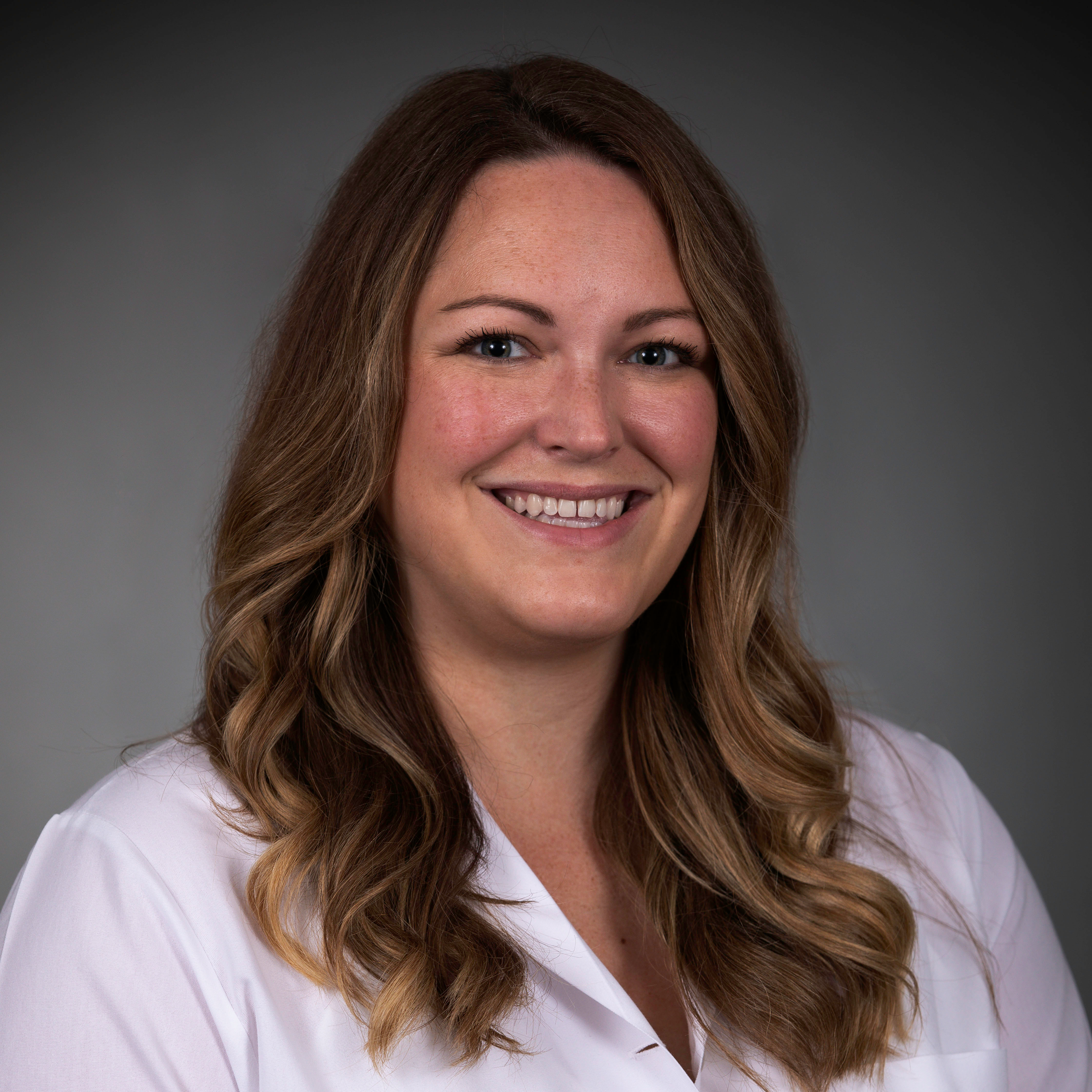
Susanna Anderson, APN
Certified Nurse Midwife
Fort Sanders Women’s Specialists
(865) 331-1122
Accepting New Patients
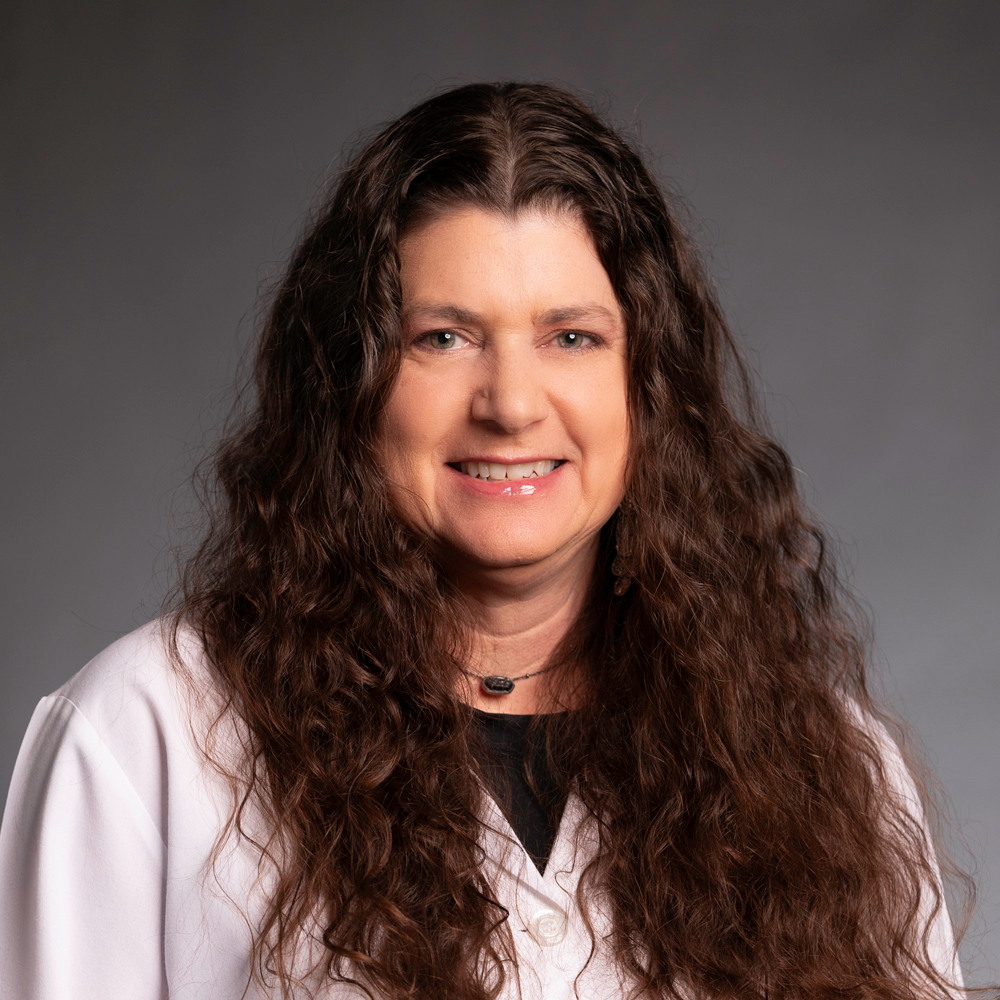
Deborah Brickner, APN
Certified Nurse Midwife
Fort Sanders Women’s Specialists
(865) 331-1122
Accepting New Patients
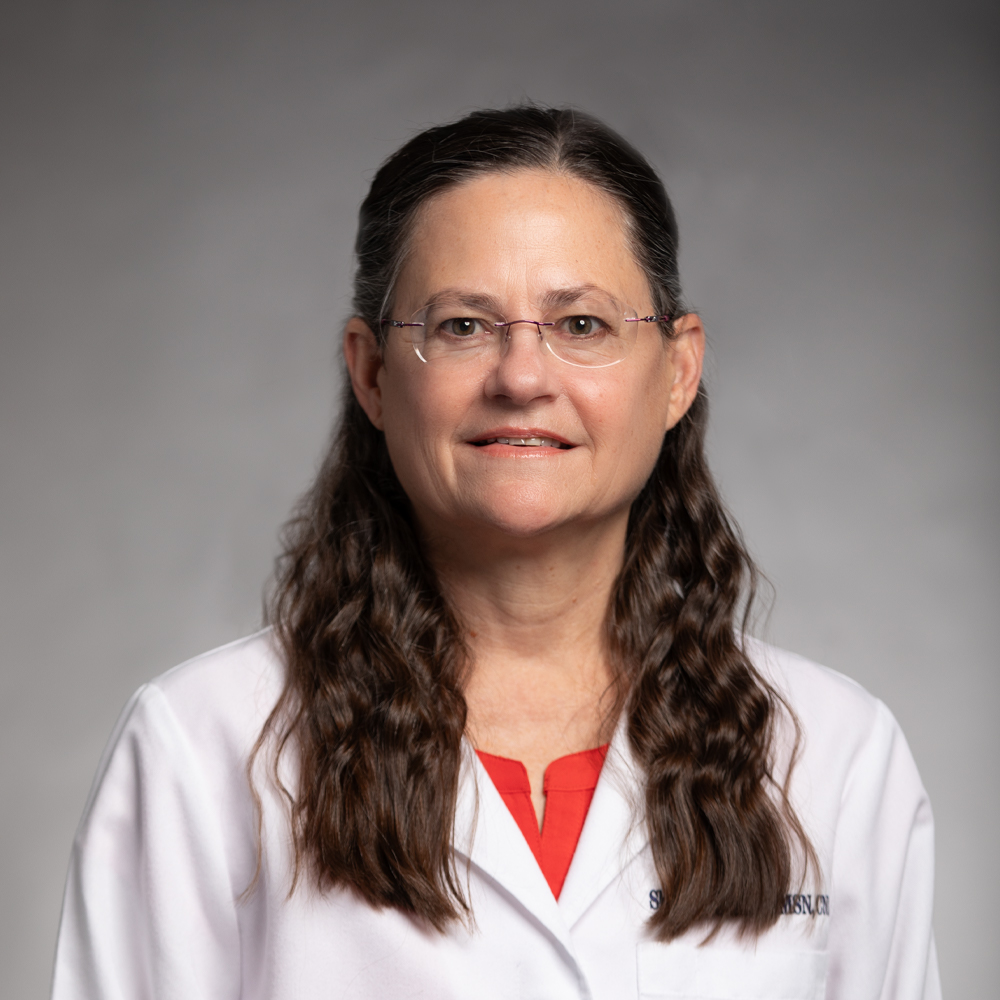
Shannan Calhoon, APN
Certified Nurse Midwife Obstetrics & Gynecology
Covenant Medical Group
Covenant Health Hamblen Women’s Care
(423) 492-7125
Accepting New Patients
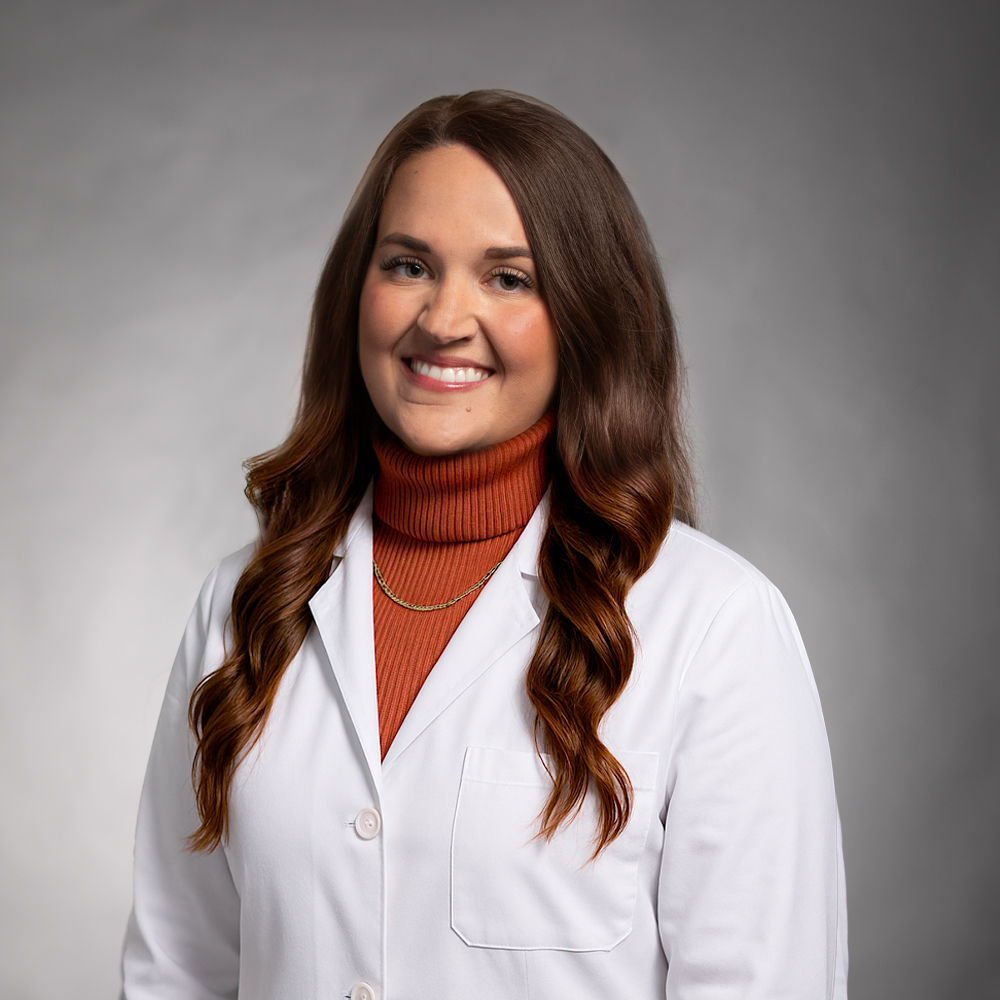
Amanda Horn, APN
Certified Nurse Midwife Obstetrics & Gynecology
Covenant Medical Group
Covenant Health Hamblen Women’s Care
(423) 492-7125
Accepting New Patients
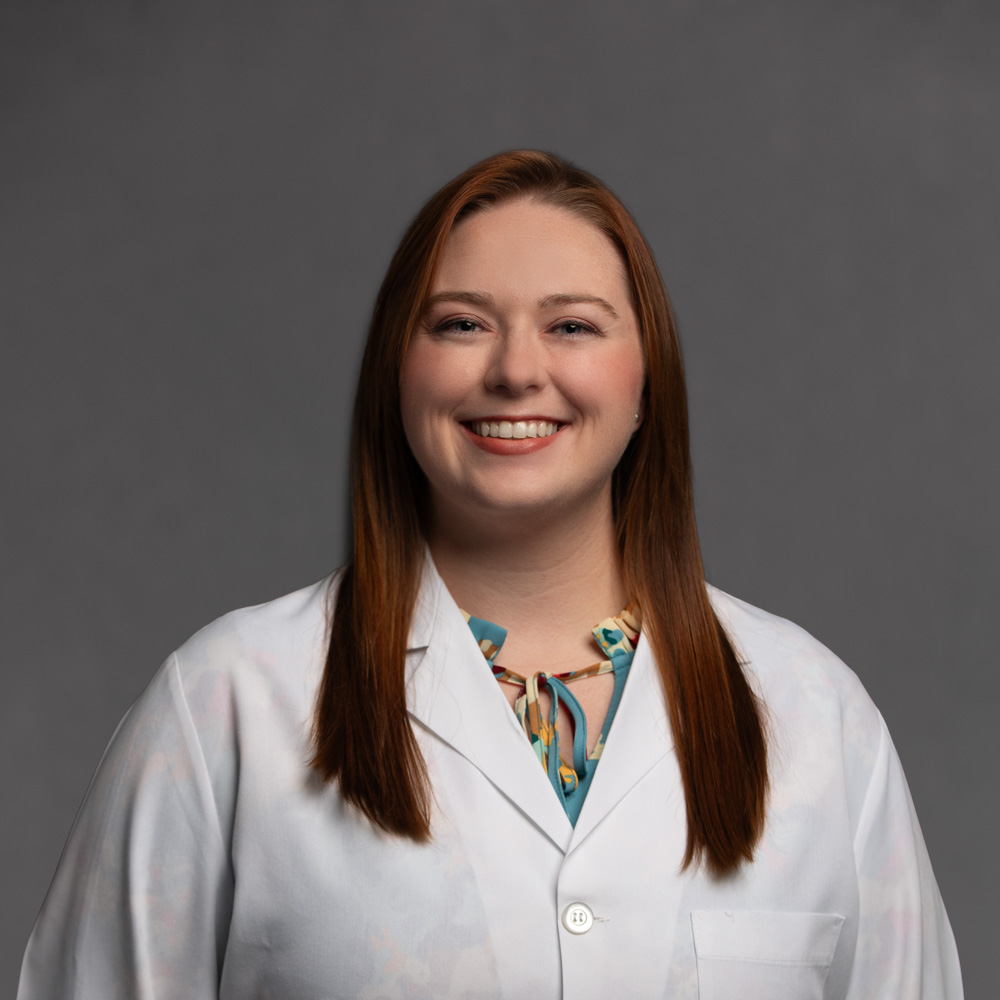
Mackenzie Jones, APN
Certified Nurse Midwife Obstetrics & Gynecology
Covenant Medical Group
Covenant Health Hamblen Women’s Care
(423) 492-7125
Accepting New Patients
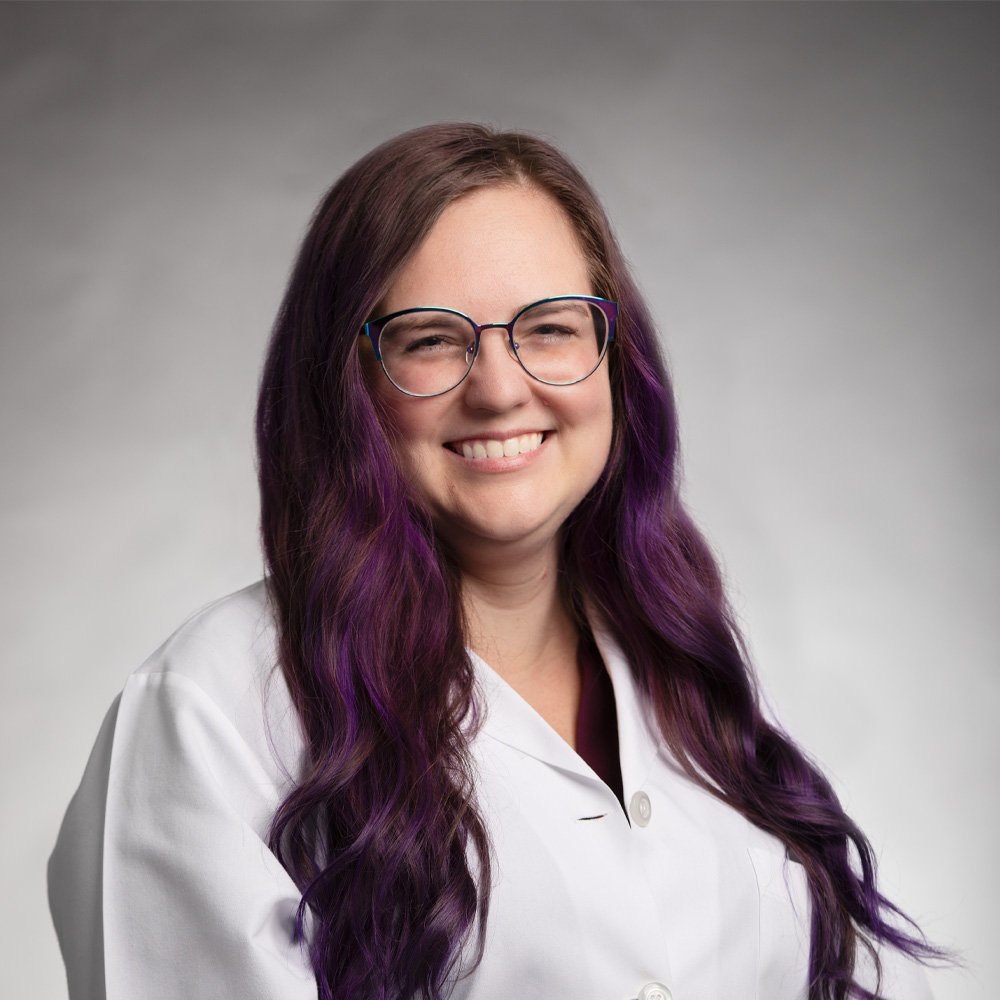
Lindy Kirk, APN
Certified Nurse Midwife
Fort Sanders Women’s Specialists
(865) 331-1122
Accepting New Patients

Stevi Lowe, APN
Certified Nurse Midwife
Fort Sanders Women’s Specialists
(865) 331-1122
Accepting New Patients
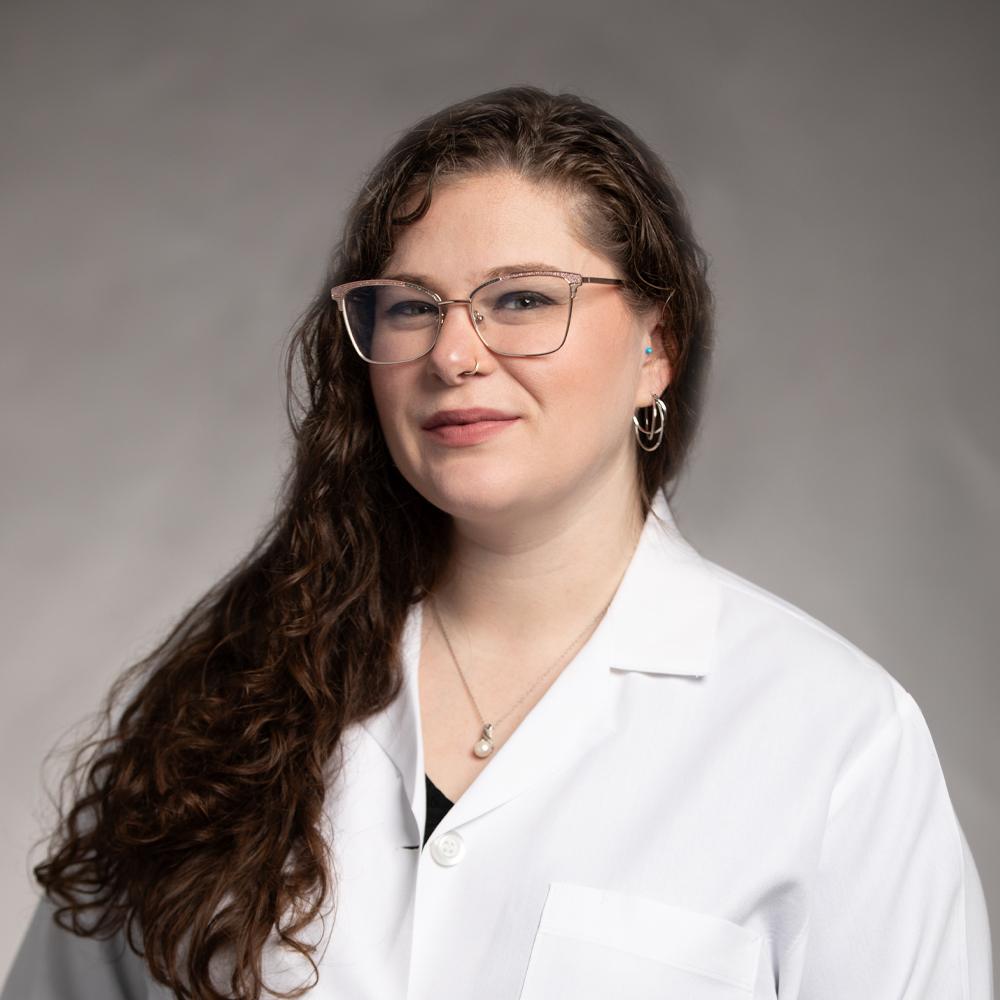
Stephanie Maupin, APN
Certified Nurse Midwife Obstetrics & Gynecology
Covenant Medical Group
Covenant Health Hamblen Women’s Care
(423) 492-7125
Accepting New Patients

Heather Mischlich, APN
Certified Nurse Midwife Obstetrics & Gynecology
Covenant Medical Group
Covenant Health Hamblen Women’s Care
(423) 492-7125
Accepting New Patients
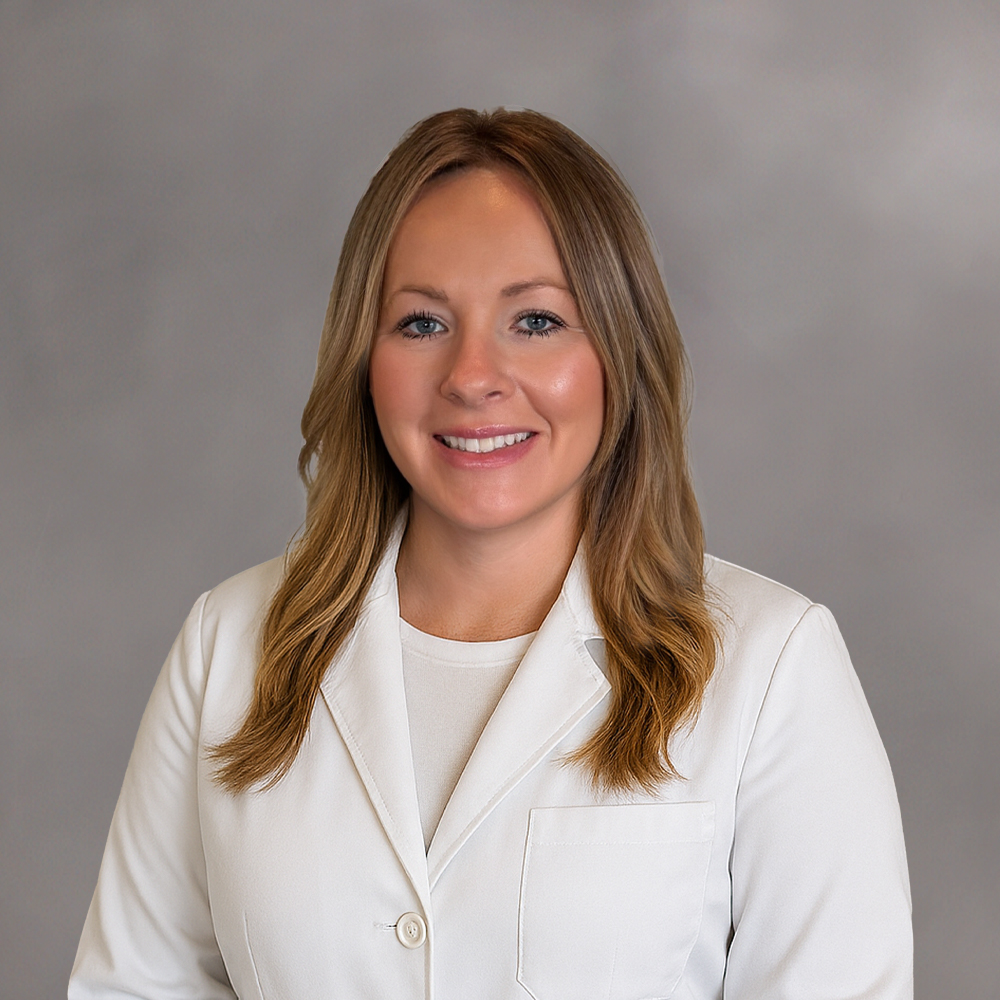
Jamie Pacheco, APN
Certified Nurse Midwife Obstetrics & Gynecology
Covenant Medical Group
Covenant Health Hamblen Women’s Care
(423) 492-7125
Accepting New Patients
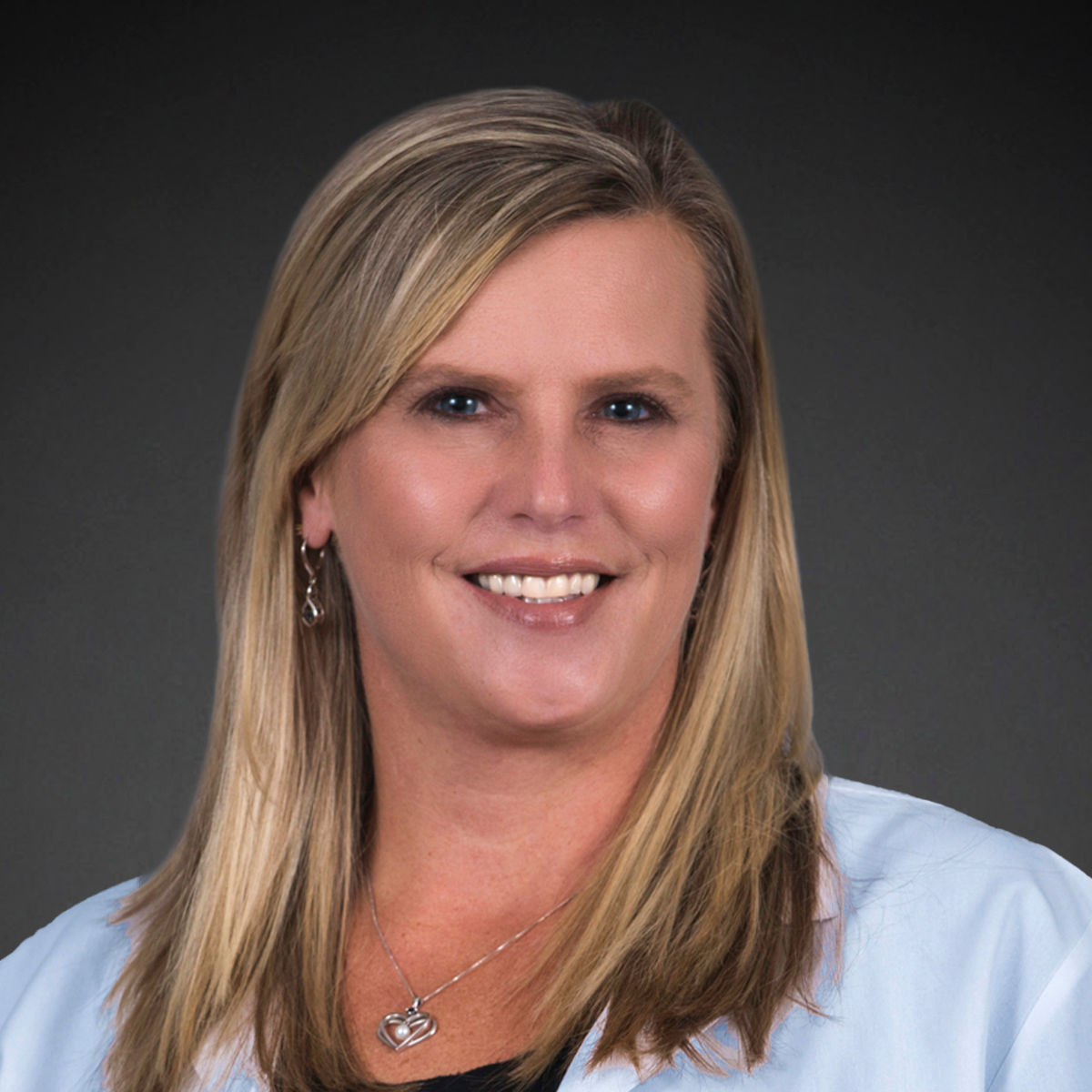
Rebecca Ripley, APN
Certified Nurse Midwife
Fort Sanders Women’s Specialists
(865) 331-1122
Accepting New Patients
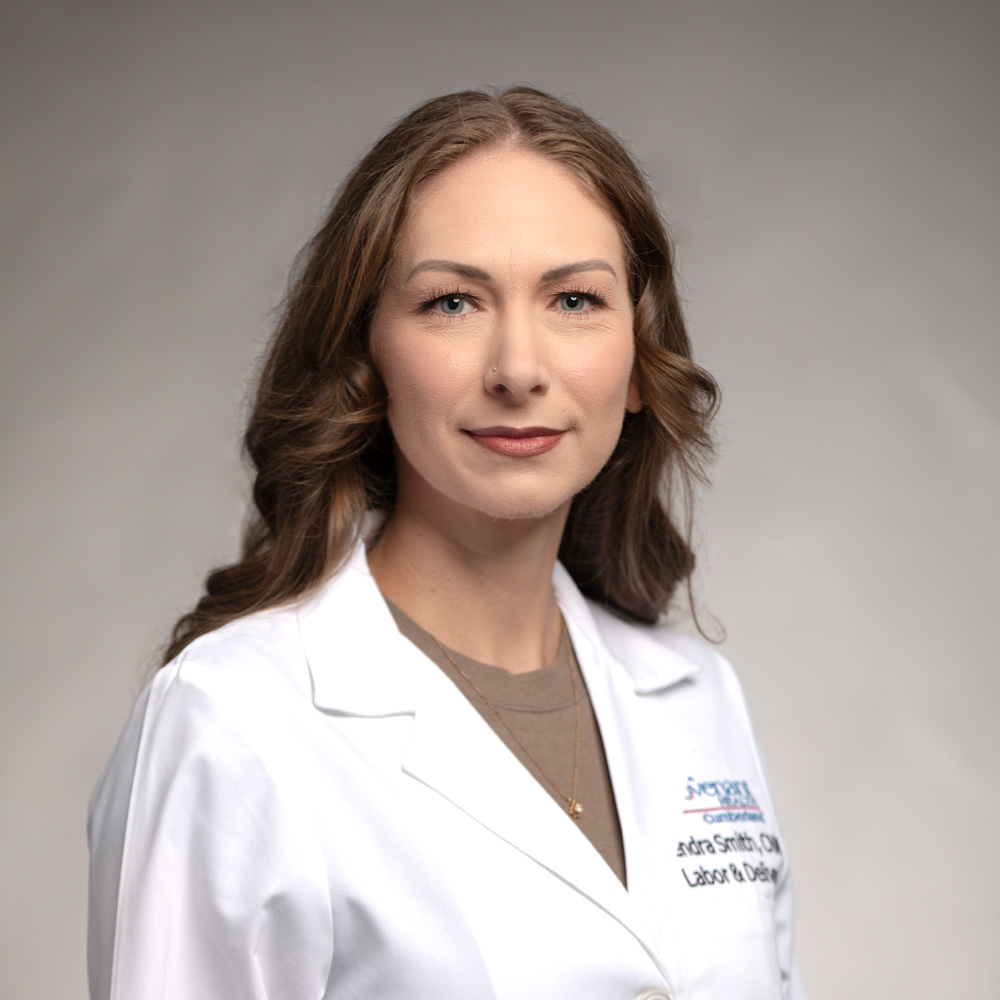
Kendra Smith, APN
Certified Nurse Midwife
Covenant Medical Group
Covenant Health Women’s Care – Cumberland
(931) 459-7911
Request an Appointment
Your birth experience should reflect your values, your preferences, and your needs. Our midwives are here to support you every step of the way.
To request an appointment with a midwife, call 865-374-1000 Monday-Friday, 8 a.m. to 5 p.m.