Cardiology Services at Fort Loudoun Medical Center
Comprehensive Cardiac Care Close to Home

Heart Care When You Need It Most
When it comes to your heart, trust the experts at Fort Loudoun Medical Center. We’re dedicated to providing top-quality cardiac care for you and your loved ones. Our skilled cardiology team delivers personalized treatments tailored to meet your unique needs.
With cutting-edge technology and compassionate care, you don’t have to travel far for the best in cardiac services. Fort Loudoun Medical Center is here to help you stay heart-healthy—right in your community.
Our cardiac services specialties include state of the art, extensive cardiac testing capabilities, and our signature cardiac rehabilitation programs.
East Tennessee’s Trusted Choice for Heart and Vascular Care
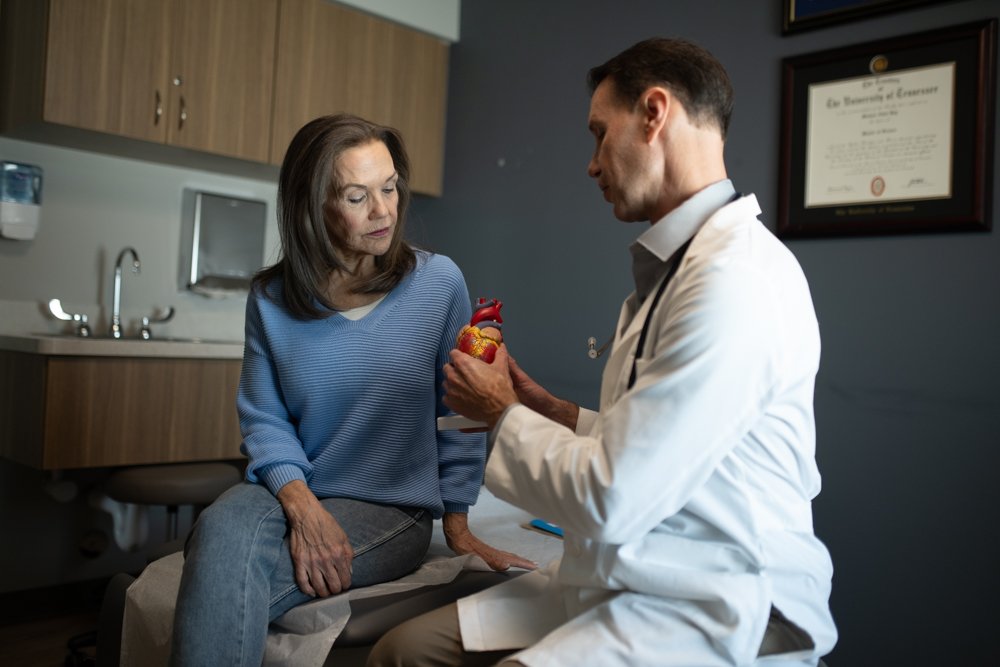
Your heart is more than a muscle — it’s the lifebeat of your very being. If you experience unusual heart symptoms or a serious cardiac event, you need care you can trust, delivered in a compassionate environment by experienced medical professionals.
As East Tennessee’s leader in cardiac services, Covenant Health Heart Centers provide expert care to more than 107,000 heart patients throughout our region each year. Our network of nine hospitals and 25 cardiology practices offers the latest advances in cardiology, including cardiac imaging, interventional cardiology, cardiovascular surgery, and rehabilitation.
Request Your Appointment Today
Take the first step toward better heart health with Covenant Health’s cardiology services. A referral may be required for some procedures, and our team will guide you through the process. For assistance with scheduling an appointment, contact our Customer Care Center.
Cardiac Diagnosis and Treatment
At Fort Loudoun Medical Center, we’re on a mission to provide residents of East Tennessee with the comprehensive, cutting edge cardiac services you need and deserve.
Our team of highly skilled, dedicated cardiac specialists are passionate about serving your varied cardiac needs.
For more information on our cardiac services or to schedule your consultation, call us at 865-271-6000, or contact us online. We look forward to assisting you with your cardiac needs.
-
Cardiac Imaging and Diagnostics
Learn more about Cardiac ImagingInvolves non-invasive and invasive techniques to assess the structure, function and health of the heart and surrounding blood vessels. These tests help detect conditions like coronary artery disease, valve disorders and arrhythmias, aiding in accurate diagnosis and treatment planning. Common examples include:
- Echocardiograms
- Nuclear stress test
- Ankle brachial index (ABI)
- Arterial/Venous ultrasound
-
Electrophysiology
Learn more about electrophysiologyFocuses on diagnosing and treating heart rhythm disorders (arrhythmias) by studying the heart’s electrical activity. Electrophysiology procedures help pinpoint irregular electrical signals in the heart and restore normal rhythm through interventions. Common examples include:
- Echocardiograms
- Holter Monitoring
- Arrhythmia Evaluation
-
Vascular Diagnostics and Interventions
Learn more about vascular servicesInvolve tests and treatments to evaluate and address diseases affecting blood vessels, including arteries, veins and lymphatics. These techniques help diagnose conditions like blockages, aneurysms or varicose veins and restore healthy circulation. Common examples include:
- Deep vein thrombosis
- Venous duplex
- Color doppler
- Doppler ultrasound
Cardiac Rehabilitation at Covenant Health
Cardiopulmonary rehab is the best way to get back on track after a serious heart or lung issue. At Fort Loudoun Medical Center, our specialized therapists are ready to offer you professional guidance with a personal touch, to safely maximize your recovery.
The American Heart Association touts the ability of cardiopulmonary rehab programs to help people like you to stabilize, slow, or even reverse the progression of cardiovascular disease.
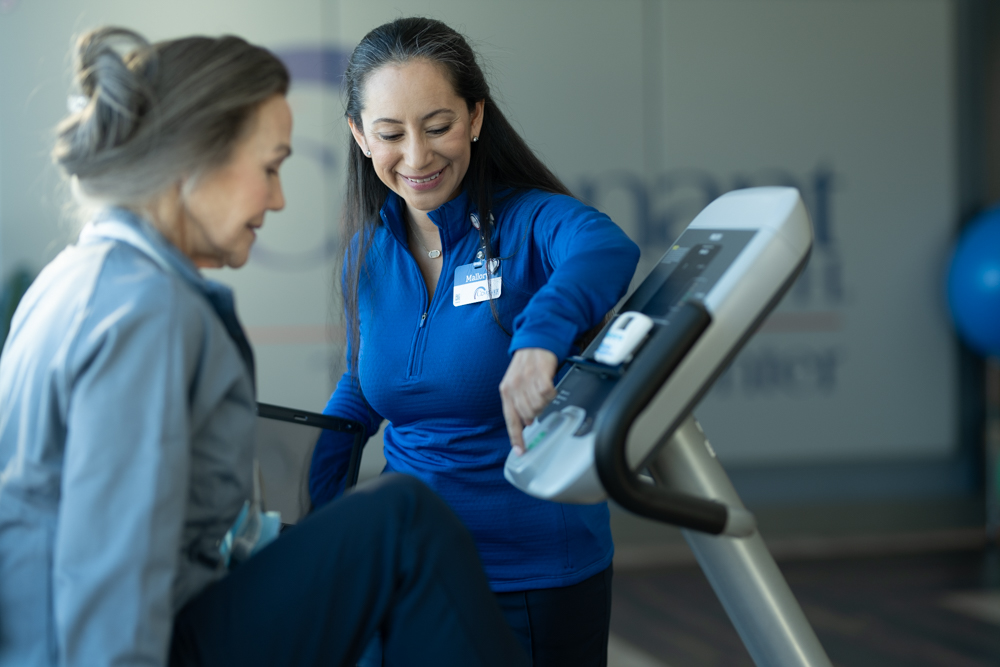
Our team of highly skilled, dedicated cardiac specialists are passionate about serving the varied cardiac needs of Tennesseans like you. We offer comprehensive, customized cardiac care services at our conveniently-located TN facilities.
Get to know our expert cardiologists, and then reach out to schedule your consultation with our team.
Our Cardiac Specialists


What Do You Know About Preventing Heart Disease?
You can take steps to reduce your risk for heart disease. Find out more about preventing heart disease by taking this quiz.

A Story of Strength
With a large family including seven children and 43 grandchildren and great-grandchildren, Kim Arnott has a lot to live for. He and his wife enjoy spending time outdoors, which is where he first experienced some chest pain. A visit to his physician showed he needed urgent heart bypass surgery. After a speedy recovery, Arnott completed cardiac rehab at Covenant Health-South and is back to enjoying life with his family.
Related Articles

How to Improve Your Heart Health
Heart disease and stroke claim more lives annually than all forms of cancer and chronic lower respiratory disease combined. Knowledge is power, so take a moment to educate yourself and get ready to take your heart health to the next level.
Read the article

Tips For a Heart Healthy Diet
Heart disease is the leading cause of death in the United States. By making slight adjustments to our diet and exercise routine, we can do ourselves a favor and take care of our heart health.
Read the article

Is Intermittent Fasting Bad for Your Heart Health?
Intermittent fasting (IF) has gained popularity in recent years as a weight-loss solution. However, a recent study suggests that intermittent fasting could negatively affect cardiovascular risks. What are the facts?
Read the article
Frequently Asked Questions
We are committed to patient education and transparency in our care. If you can’t find an answer to your question, please contact us for a consultation.
What are the symptoms of heart disease?
Symptoms of heart disease can vary based on the specific condition, but common signs include:
- Chest pain or discomfort (angina): Often feels like pressure, tightness, or squeezing in the chest, especially during physical activity or stress.
- Shortness of breath: May occur during activity, rest, or while lying flat.
- Fatigue: Persistent tiredness, even with minimal exertion.
- Swelling (edema): Particularly in the legs, ankles, or feet, often linked to heart failure.
- Heart palpitations or dizziness: Common with arrhythmias or irregular heartbeats.
- Radiating pain: Chest pain that spreads to the arms, neck, jaw, or back, often associated with coronary artery disease.
If you notice these symptoms, consult a healthcare professional for proper evaluation and treatment.
What are heart attack symptoms in men and women?
Heart attack symptoms can differ between men and women:
Common Symptoms in Men:
- Chest pain or pressure, often described as a squeezing or heaviness.
- Pain that radiates to the arms, shoulders, neck, jaw, or back.
- Shortness of breath.
Common Symptoms in Women:
- Chest discomfort, but it may feel less severe or atypical.
- Nausea, vomiting, or indigestion-like symptoms.
- Fatigue, dizziness, or lightheadedness.
- Pain in the back, jaw, or neck.
If you suspect a heart attack, seek medical help immediately, as prompt treatment can save lives.
What is open-heart surgery?
Open-heart surgery is a procedure where the chest is opened to allow direct access to the heart. It is typically performed to repair or replace heart valves, bypass blocked arteries, or correct congenital heart defects that cannot be treated with minimally invasive approaches.
How do I schedule a cardiology appointment?
Cardiology appointments require a physician order. Our Customer Care Center can guide you through the process and help you find the right heart specialist close to home. Call us today.