
What’s the Difference Between a Cyst, Polyp and a Tumor?
- 5 minute read.
- Last Updated: 11/5/2026
Learn about common lumps and growths, when to seek care and how Covenant Health can help.

Finding a lump, bump or unusual growth can be alarming. Many people immediately worry about cancer, but cysts, polyps and tumors can mean very different things. Understanding those differences can help you know when to seek care and when you may simply need reassurance from a healthcare provider.
Words like cyst, polyp, tumor, fibroid, lump and bump are often used interchangeably, but they describe different types of growths and tissue changes. Importantly, these terms do not automatically indicate cancer. Understanding the differences can help you have informed conversations with your healthcare provider and know when additional testing may be needed.
Many people worry that a new lump or growth automatically means cancer, but that is often not the case,” said Courtney Halista, MD, family medicine physician with Covenant Health Primary Care Belltown. “Cysts, polyps and tumors can have very different causes, and many are benign. The most important thing is to have new or changing growths evaluated so you understand what you are dealing with and whether treatment is needed.”
The key distinction is that cyst, polyp and tumor describe different types of growths, not whether cancer is present. Many cysts and polyps are benign. Tumors can be benign or cancerous, which is why medical evaluation is important.
Quick Comparison Chart
| Growth Type | What It Is | Usually Cancerous? |
| Cyst | A sac filled with fluid, air or other material | Usually benign |
| Polyp | A growth arising from the lining of an organ | Usually benign but some can become cancerous |
| Tumor | A mass formed by abnormal cell growth | Can be benign or cancerous |
What Is a Cyst?
A cyst is a sac filled with fluid, air or other material. Most cysts are benign. Common types include skin cysts, breast cysts, ovarian cysts and ganglion cysts. Depending on the type, a cyst may feel soft, smooth or slightly firm. Symptoms can include swelling, tenderness, redness or pressure.
What Is a Polyp?
A polyp is a growth that develops from the lining of an organ. Polyps are commonly found in the colon, nose, stomach and uterus. Most are benign, but some colon polyps can become cancerous over time. Many cause no symptoms and are found during screenings such as a colonoscopy. Colon polyps are often removed during a colonoscopy before they can develop into something more serious.
What Is a Tumor?
A tumor is an abnormal growth of cells that forms a mass. A tumor does not automatically mean cancer. Tumors can be benign, precancerous or cancerous. They can develop in many parts of the body, including the breast, uterus, brain, skin and soft tissues. Symptoms vary based on location and may include a lump, pressure, pain or unexpected bleeding.
When to See a Doctor
Contact a healthcare provider if you notice a new lump or growth that does not go away, is growing or changing shape, causes pain, drains fluid, bleeds or creates other symptoms. While many growths are benign, an evaluation can help determine whether testing or treatment is needed.
How Are Cysts, Polyps and Tumors Diagnosed?
Providers may use a physical exam, ultrasound, mammogram, CT scan, MRI, colonoscopy or biopsy. During a biopsy, a small sample of tissue is removed and examined under a microscope. This is often the most reliable way to determine whether a growth is benign or cancerous.
Treatment for Cysts, Polyps and Tumors
Treatment depends on the type and location of the growth. Options may include observation, medication, drainage, minimally invasive procedures, surgery or cancer treatment when needed.
Covenant Health Expertise
Most cysts, polyps and tumors are not cancerous, but it is important to know what you’re dealing with. Covenant Health primary care providers can evaluate new or changing growths and connect patients with specialty care when needed.
To explore primary care appointment availability, call 865-374-0411.
-

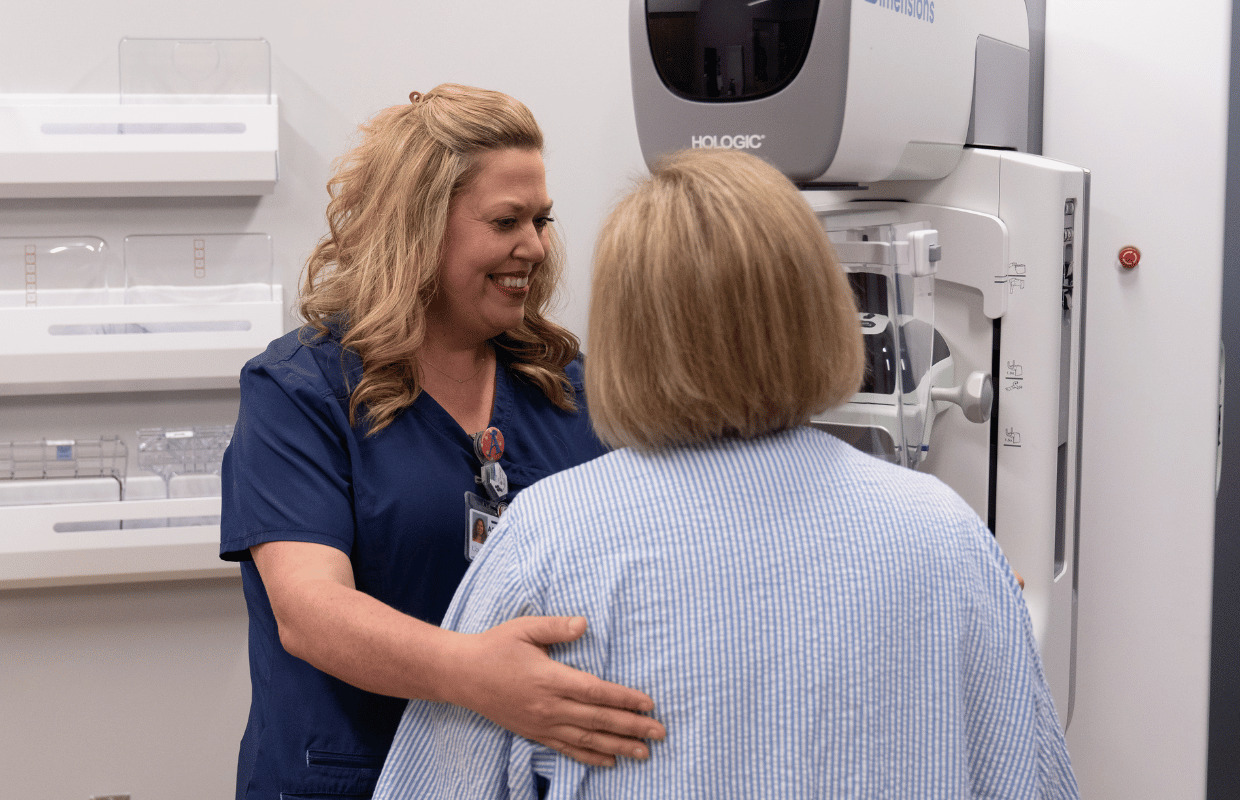
Schedule Your Mammogram
13 Convenient LocationsRegular mammogram screenings are a crucial step in the early detection of breast cancer.
-

Schedule Your Colonoscopy
14 Convenient LocationsA colonoscopy is a medical procedure used to examine and detect abnormalities in your intestines or bowels.

-

Health Screenings and Physical Exams
Don’t Put It OffCovenant Health is proud to offer comprehensive health screenings at locations across East Tennessee.