
What to Know About Poison Ivy, Oak and Sumac
- 5 minute read.
- Last Updated: 7/30/2026
Whether you’re hiking, gardening or simply enjoying time outdoors, it’s helpful to know how to recognize poisonous plants. In East Tennessee, poison ivy, poison oak and poison sumac are the most common you may encounter.
Most rashes can be managed at home, and if you need additional care, Covenant Health is here to help with expert support close to home.
What Causes the Rash?
These plants all have one thing in common: they contain an oily substance called urushiol. This substance is found in the leaves, stems and roots and causes the rash associated with these plants. causes the rash associated with these plants.
All three plants can cause the same type of rash because they contain the same irritating oil. The severity of the reaction varies from person to person and depends on how much urushiol encounters the skin.
Urushiol can spread from tools, shoes, pets or clothing. When it gets on your skin, your immune system may recognize it as a harmful substance. Within 12 to 48 hours, the oil triggers an allergic reaction called contact dermatitis. This can cause symptoms like redness, swelling, blisters and intense itching. Not everyone reacts the first time they’re exposed, but sensitivity often develops over time.
How to Spot These Plants
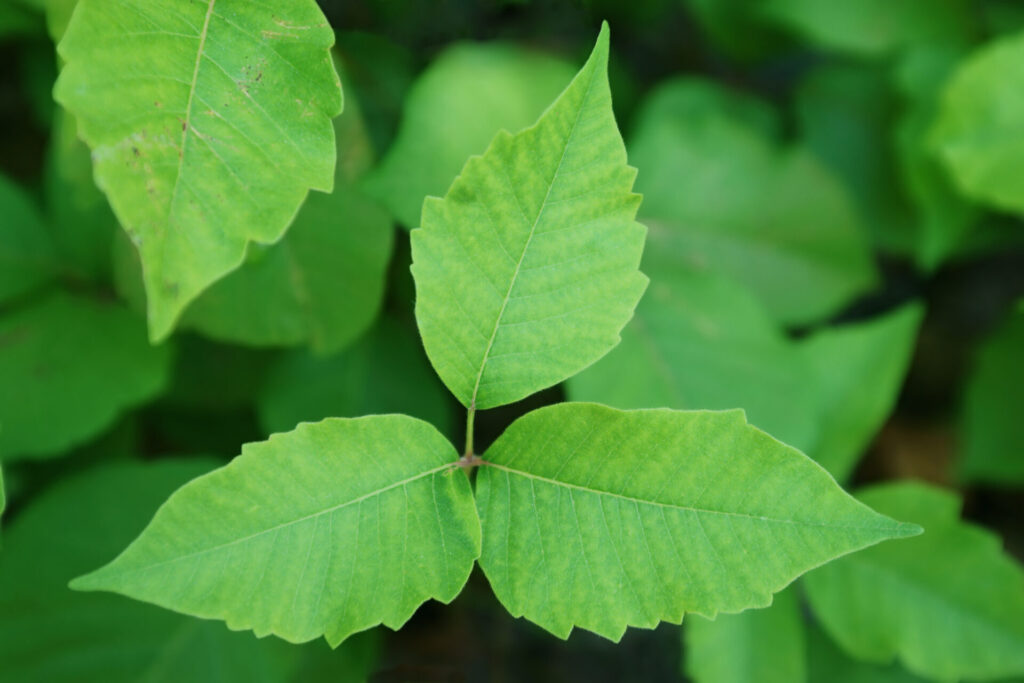
- Poison Ivy: Look for a plant with a longer center leaflet, two smaller side leaflets and leaves that can appear shiny or waxy. Colors may change dependent on the season.
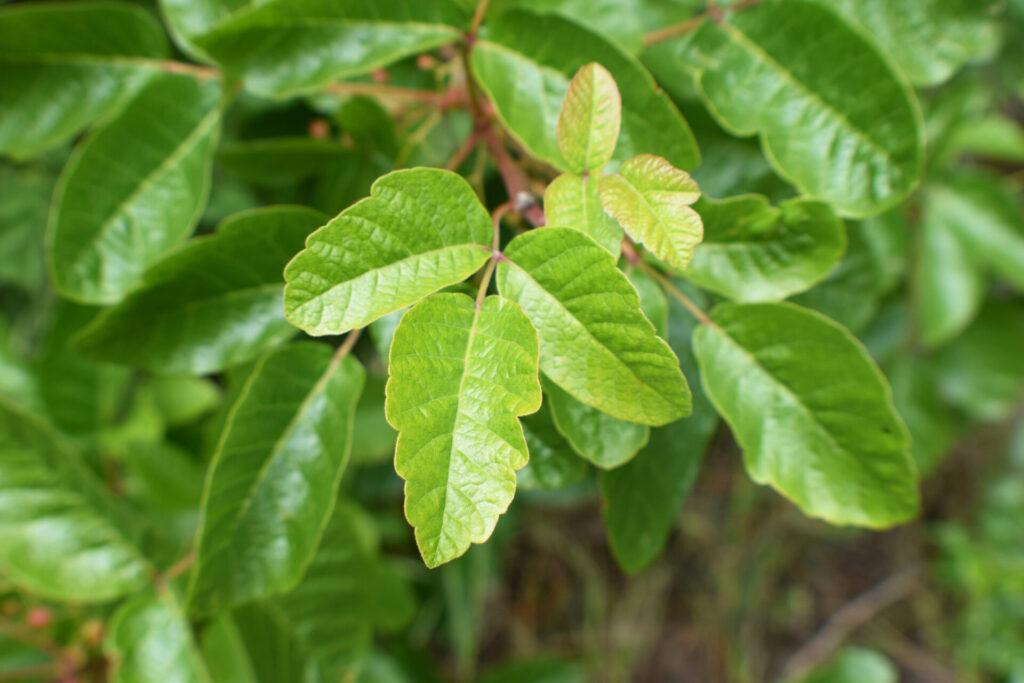
- Poison oak: Similar in appearance to an oak leaf, poison oak has distinctive lobed leaflets with a wavy appearance. They can range from bright green to red depending on the season.
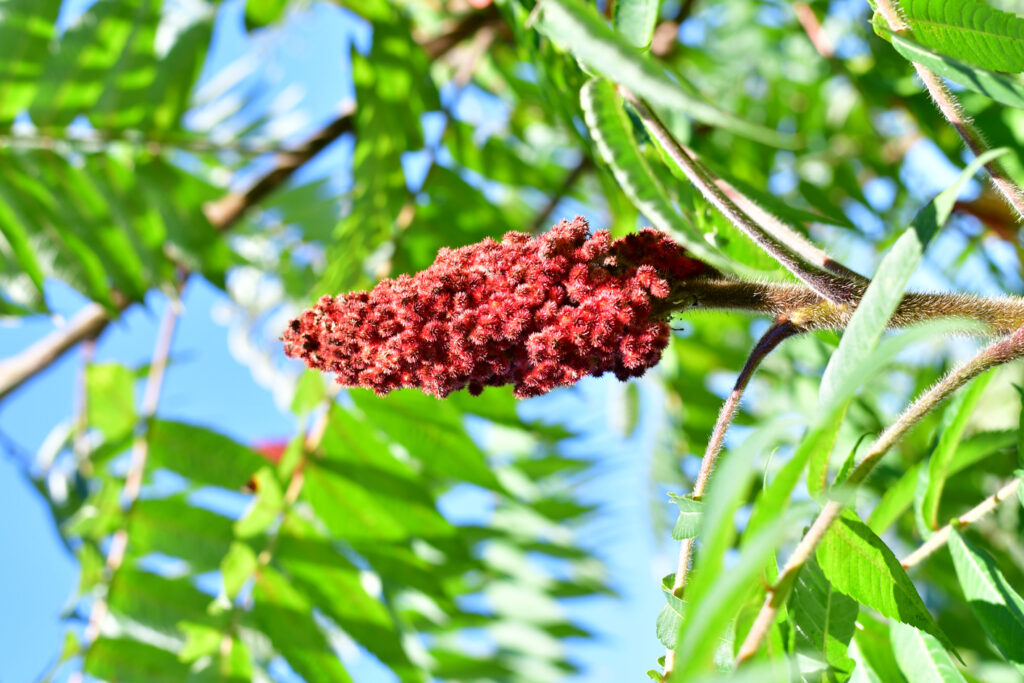
- Poison sumac: Sumac appears in clusters of 7 to 13 smooth leaflets arranged along a central stem. It is sometimes accompanied by pale green or white berries.
“A good rule of thumb is: ‘Leaves of three, let it be.’ The easiest way to avoid a rash from poison ivy, oak or sumac is to avoid coming into contact with plants you cannot confidently identify. Using some caution during outdoor activities, including hiking, gardening or yardwork can save you a lot of itching and discomfort.” says, Katelyn Oshie, PA.
Tips to Prevent Exposure
Sometimes it’s not possible to avoid these plants. But a few smart steps can protect you from having contact with the oils:
- Wear long sleeves, pants and gloves when working outdoors
- Use barrier creams made for poison plant protection
- Stay on clear paths when hiking
- Learn to identify the plants
- Wash skin and gear after time outside
Oshie advises, “Wear long sleeves, pants and gloves while working in areas where these plants may grow. If you think you may have been exposed, wash your skin with soap and water as soon as possible. Clean any clothing, shoes or tools that may have come into contact with plant oils.”
What to Do If You’ve Been in Contact with These Plants
Act fast if you think you touched one of these plants. Follow these steps:
- Wash your skin with soap and cool water within 10–15 minutes of exposure
- Scrub under your nails
- Wash clothes, shoes and tools that may have oil on them
- Bathe pets if they may have been exposed
This can help reduce the amount of urushiol absorbed by your skin and may lessen the severity of the reaction. It can also help prevent the oil from being transferred to other parts of your body or other surfaces.
How to Treat Mild Rashes at Home
Most cases can be managed with easy steps:
- Use cool compresses to calm itching
- Apply over-the-counter creams like hydrocortisone or calamine
- Take antihistamines for itch relief
- Avoid scratching to prevent infection
- Keep the skin clean and dry
The rash can last one to three weeks. As it heals, itching, redness and swelling should gradually improve, and blisters should begin to dry up. Monitor the rash for signs that it’s getting worse, such as increased:
- Pain
- Swelling
- Warmth
- Pus
- Fever
Contact a healthcare provider if symptoms don’t start improving over time.
When to Seek Care
Some people are more sensitive to urushiol than others. This can lead to a stronger allergic reaction and a longer recovery time. Covenant Health offers convenient options like urgent care and primary care visits.
Get medical help if you have:
- Rash on your face, eyes or genitals
- Severe swelling or pain
- Large areas of rash
- Signs of infection (pus, fever or warmth)
- Trouble breathing (call 9-1-1 immediately)
Your Health Matters
Poison ivy, oak and sumac are common. With the right steps, you can avoid contact and treat mild cases at home.
And when you need care, Covenant Health is here to help. Our expert team offers fast, compassionate treatment close to where you live.
If you have questions or need help, visit a Covenant Health location today.