
Spring Allergies 101: What to Know This Season
- 3 minute read.
- Last Updated: 3/10/2026
Springtime in East Tennessee brings people outdoors. The sunshine and warm breeze make it the perfect season for playing sports, running, hiking, biking, picnics and more, spring also brings something less welcome. Rising pollen often interrupts even the best‑planned days. Sneezing, congestion and watery eyes can turn a fun afternoon into a frustrating one.
Even indoor routines can shift. Pollen clings to clothing, hair, pets and gear brought inside. Once allergens enter a home, symptoms can continue long after time outdoors. Spring cleaning can help reduce home allergens and keep you feeling your best.
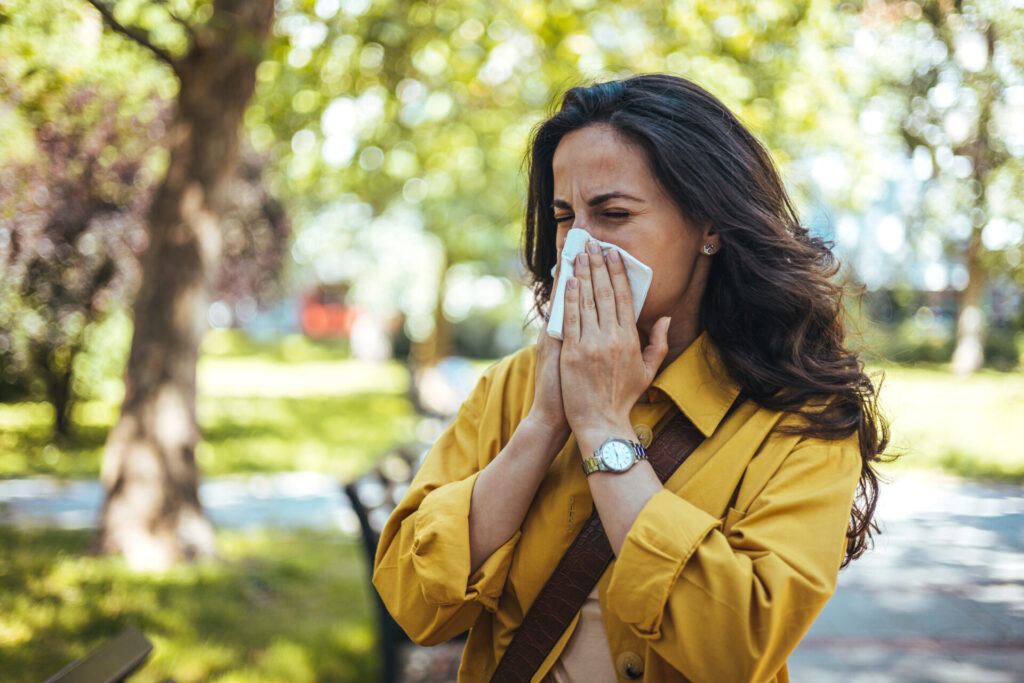
Common Signs of Spring Allergies
Spring allergies show up differently from person to person. Many experience a mix of:
- Sneezing
- Coughing
- Nasal congestion
- Headache
- Itchy or watery eyes
These symptoms can interrupt rest and make daily activities more challenging.
Misconceptions About Allergies
With so many voices out there, here are a few common myths that can be debunked.
Myth: Allergy symptoms only happen outdoors.
Fact: Pollen travels easily on clothes, pets and air currents, making indoor spaces part of the problem.
Myth: Rain always brings relief.
Fact: Light rain can break pollen into smaller pieces that spread more widely.
Myth: Allergy seasons stay the same every year.
Fact: Weather, plant growth and environmental changes can shift symptom patterns from one spring to the next.
Ways to Treat Spring Allergies
Rest helps the body recover and manage allergen exposure. This supports the immune system and reduces the chance of symptoms getting worse.
Covenant Health pharmacist Claudia Ogburn, DPh, MSHSA, recommends several over-the-counter options for managing allergies:
- Nyquil / Dayquil: Contain antihistamines and decongestants to reduce allergy symptoms
- Zyrtec D: A nondrowsy antihistamine with decongestant
- Ibuprofen: Can reduce sinus inflammation, pain and fever for those who can take anti–inflammatory
Always use medication as directed, and do not exceed maximum dosages. People with health conditions such as high blood pressure should speak with a provider or pharmacist before choosing medication. Covenant Health teams help patients find safe and effective options that match their needs.
Everyday Habits for a Healthier Spring
Simple daily steps can ease the impact of spring allergens.
- Use a cool mist humidifier: It keeps sinuses from drying out when indoor heat is running.
- Drink plenty of water: Hydration helps keep mucus thin and makes coughing more effective.
- Increase Vitamin C: It supports immune health and helps the body respond to infections.
- Use saline nasal rinses: These help clear irritants from the nasal passages.
- Try natural additions: Honey, lemon or peppermint in warm tea can offer soothing benefits.
These habits support the body’s efforts to stay clear and comfortable during high pollen months.
Why Families Across the Region Choose Covenant Health
In a world full of conflicting information, finding a trusted healthcare partner matters. Covenant Health stands out through coordinated care, advanced services and a deep commitment to the local community.
Teamwork is central to Covenant Health. Providers across our system collaborate to deliver complete, consistent, high-quality care. If your allergies become to severe to manage alone, visit one of our primary care practices, walk-in clinics or Urgent Care centers to get the care you need.