
Sepsis: Fast Treatment Saves Lives and Recovery Takes Time
- 4 minute read.
- Last Updated: 9/17/2026
A simple infection can become life-threatening quickly. Sepsis is a medical emergency that occurs when the body’s response to an infection triggers widespread inflammation that can damage organs. At Covenant Health, experienced physicians and advanced hospital teams provide prompt diagnosis and treatment because early intervention can save lives and improve recovery.
According to the Centers for Disease Control and Prevention, about 1.7 million adults and more than 18,000 children in the U.S. develop sepsis each year.
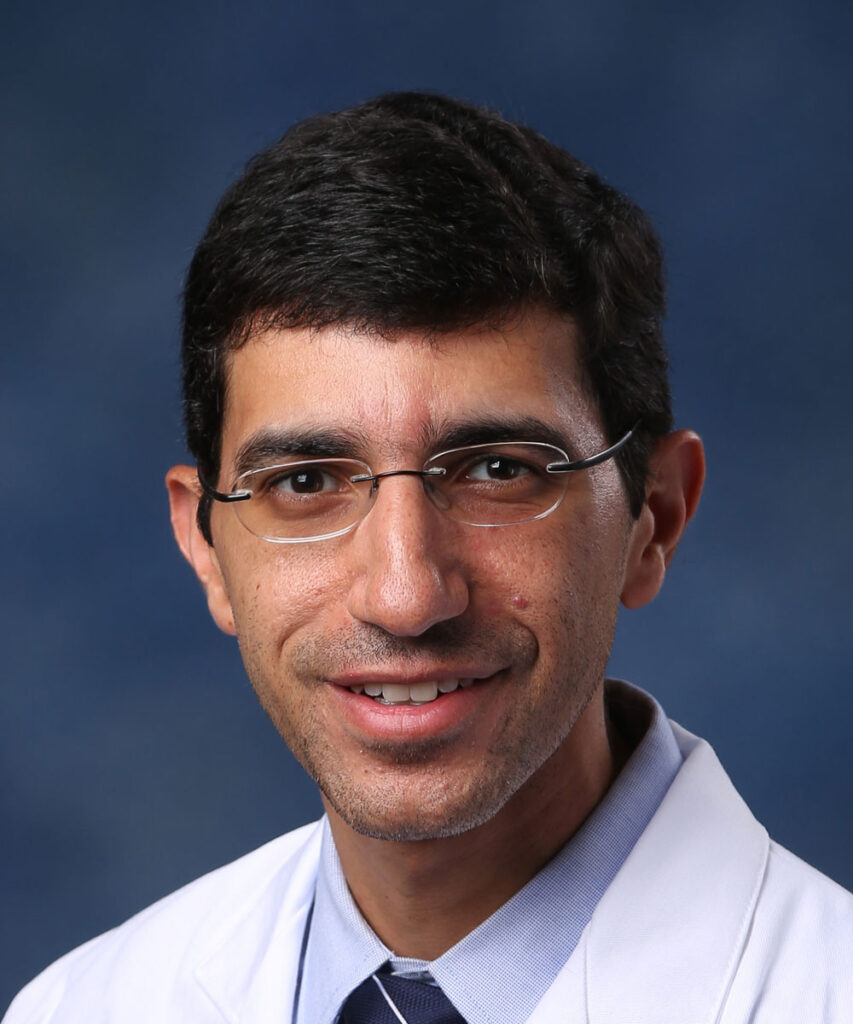
According to Abdelhamid Alsharif, MD, a critical care specialist, recognizing sepsis and seeking immediate medical attention can save lives. “Sepsis is the body’s overwhelming response to infection, and if treatment isn’t promptly initiated, it can lead to tissue damage, multi-organ failure, shock and even death,” said Dr. Alsharif.
What Is Sepsis?
Almost any infection can lead to sepsis. Infections that cause sepsis often begin in the lungs, urinary tract, gastrointestinal tract or skin.
Without prompt treatment, sepsis can lead to organ failure, septic shock and even death. That is why recognizing symptoms and seeking care quickly is important. Sepsis symptoms can develop quickly and may include:
- Fever or feeling very cold
- Clammy or sweaty skin
- Fast heart rate
- Shortness of breath
- Extreme pain or discomfort
- Confusion or trouble thinking clearly

Sepsis can be difficult to recognize because its symptoms may resemble those of other illnesses.
Dr. Alsharif says that some of the most concerning warning signs include sudden confusion or changes in mental status, decreased urine output, rapid breathing, a fast heart rate and low blood pressure. These symptoms can indicate that the infection is affecting the body’s organs and requires immediate medical attention.
How Is Sepsis Treated?
Most people with sepsis require hospital care. Treatment often begins right away, even while doctors work to identify the source of the infection.
Treatment may include:
- Antibiotics to fight infection
- IV fluids to support blood pressure
- Oxygen therapy
- Monitoring of vital signs and organ function
- Advanced critical care when needed
When treated for sepsis, our patients benefit from skilled emergency medicine providers, hospitalists, critical care teams including intensivist physicians and specialists like infection prevention physicians, who work together to provide coordinated care. Quick action can make a significant difference.
The Long-Term Impact of Sepsis
Recovery from sepsis varies by patient and may take time.
“Recovery after sepsis is a gradual process and includes physical, mental and emotional aspects,” explained Dr. Alsharif. “Families will need to be patient with their loved ones and help support them through the process.”
Some survivors experience ongoing physical, cognitive and emotional challenges known as post-sepsis syndrome. These effects can last for weeks, months or even longer after leaving the hospital.
Long-term effects may include:

- Weakness and fatigue
- Shortness of breath
- Muscle or joint pain
- Difficulty sleeping
- Memory and concentration problems
- Anxiety, depression or post-traumatic stress
- Reduced organ function in some patients
- Increased risk of future infections
During recovery, patients should discuss persistent symptoms, changes in their health and concerns about future infections with their healthcare provider.
When Should You Seek Care?
Trust your instincts. If an infection suddenly seems to be getting worse, do not wait to seek medical attention.
Dr. Alsharif emphasizes that early treatment is one of the most important factors in improving outcomes for patients with sepsis. “The most important thing for patients and their families is to seek medical care early so that treatment can be promptly initiated and prevent worsening of sepsis,” he shared.
Fast treatment can save lives. If you suspect symptoms of sepsis, find a Covenant Health emergency department near you and get the care you need quickly.