
POTS (Postural Orthostatic Tachycardia Syndrome)
- 4 minute read.
- Last Updated: 4/20/2026
Feeling dizzy, lightheaded or exhausted just from standing up isn’t normal. But for people living with Postural Orthostatic Tachycardia Syndrome (POTS), it’s an everyday reality. POTS is a condition that affects how the body controls heart rate and blood flow, and it’s more common than many people realize.
What is POTS?
POTS is a disorder of the autonomic nervous system, which controls automatic body functions like heart rate and blood pressure. When a person with POTS stands up, their heart rate increases abnormally fast — often by 30 beats per minute or more within 10 minutes —without a major drop in blood pressure.
The most important thing to know: POTS is real, measurable and treatable.
“In most POTS cases, the heart itself is healthy. The issue is how the body responds to triggers like standing,” explains Covenant Health interventional cardiologist, Briana Costello, MD.
How Common is POTS?
POTS has gained attention in recent years as more people experience lingering health symptoms after viral illnesses. According to the National Institute of Health, research suggests a link between COVID‑19 and the development of POTS. Increased awareness is helping patients recognize symptoms earlier and seek appropriate care.
POTS affects an estimated 1–3 million Americans. It most often occurs in:
- Teens and adults ages 15–50
- Women and people assigned female at birth
- Individuals after illness, surgery, pregnancy or injury
Despite its prevalence, POTS is often misunderstood or misdiagnosed. There are many conditions considered dysautonomia, disorders where the autonomic nervous system is dysregulated. Because symptoms overlap, it is recommended for anyone experiencing POTS-like symptoms to see a cardiologist or neurologist for proper evaluation and diagnosis.
Symptoms to Watch For
Symptoms usually appear or worsen when standing and improve with lying down. Common signs include:
- Fast or pounding heartbeat
- Dizziness or fainting
- Extreme fatigue
- Brain fog or trouble concentrating
- Shortness of breath
- Headaches or nausea
“Many patients are told these symptoms are ‘just anxiety.’ They often live with these symptoms for years before seeking help,” explains Dr. Costello.
How POTS is Diagnosed?
Doctors diagnose POTS using:
- A detailed medical history and symptom review
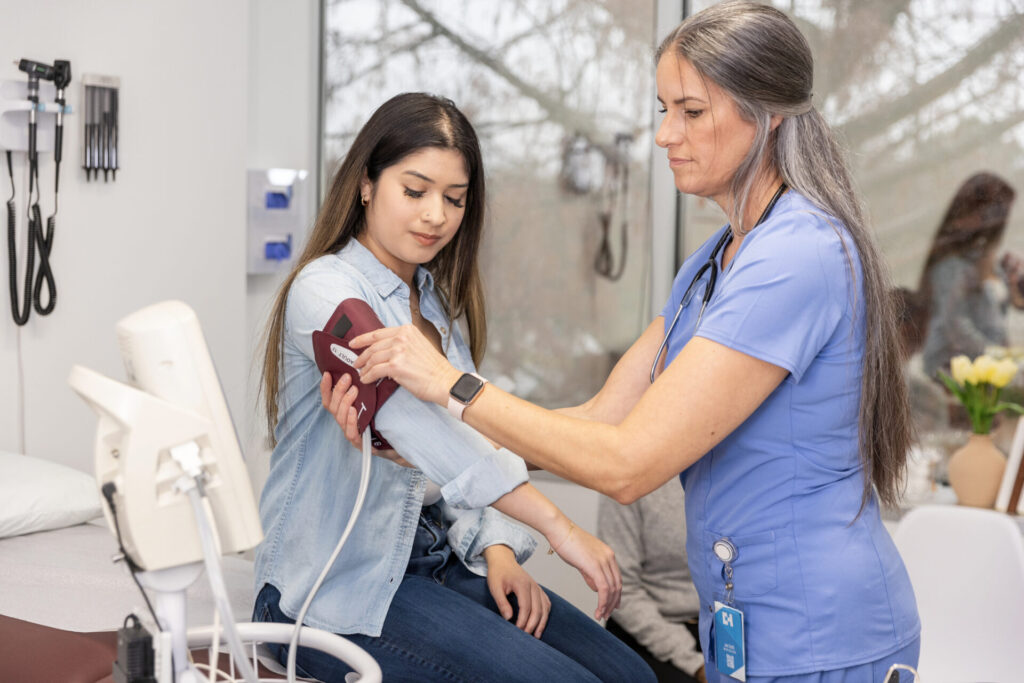
- Heart rate and blood pressure measurements when lying and standing
- A 10‑minute standing test or tilt‑table test
Blood tests and heart evaluations may be used to rule out other conditions as well.
Treatment and Daily Management
There is no single cure for POTS, but many people improve with a personalized care plan. Treatments may include:
- Increased fluids and salt (as directed by a physician)
- Compression stockings to improve blood flow
- Physical therapy and guided exercise programs to increase resiliency
- Medications like beta blockers to regulate heart rate or blood pressure
“When patients understand how their symptoms are connected, it changes how they view their health. With the right combination of lifestyle changes and medical care, many patients see significant improvement in daily life,” Dr. Costello notes.
Common Co‑Existing Conditions
POTS rarely occurs by itself. According to the CDC, research shows that more than 75% of people with POTS have at least one additional medical condition. This helps explain why symptoms can feel wide-ranging and difficult to pin down.
People with POTS may also have:
- Migraines
- Ehlers‑Danlos syndrome (hypermobility)
- Fibromyalgia
- Autoimmune conditions
- Digestive disorders
Recognizing these connections helps guide more complete care.
When to See a Doctor
Talk to a healthcare provider if symptoms:
- Interfere with daily activities
- Cause fainting or chest pain
- Persist after illness or injury
Covenant Health offers coordinated care through cardiology, neurology and rehabilitation services. Our teams work closely with patients to create care plans that improve quality of life.
Take the Next Step
If you or someone you love may have POTS, expert help is close to home. Schedule an appointment today with a Covenant Health provider.