
Hiking Safe in the Smokies
- 4 minute read.
- Last Updated: 4/2/2026
When hikers explore the Great Smoky Mountains National Park, they expect fresh air, long views, and peaceful trails. What they don’t expect is a medical emergency. But every year, people arrive in local emergency departments with injuries and dehydration they never saw coming. Our emergency teams regularly treat everything from severe dehydration to broken bones.
This is why smart preparation matters. Covenant Health is here for you with expert care, convenient locations across East Tennessee, and a team dedicated to keeping our community safe and healthy.
The Smokies offer some of the best trails in the country. With a little planning, you can enjoy every waterfall, ridge and overlook with confidence.
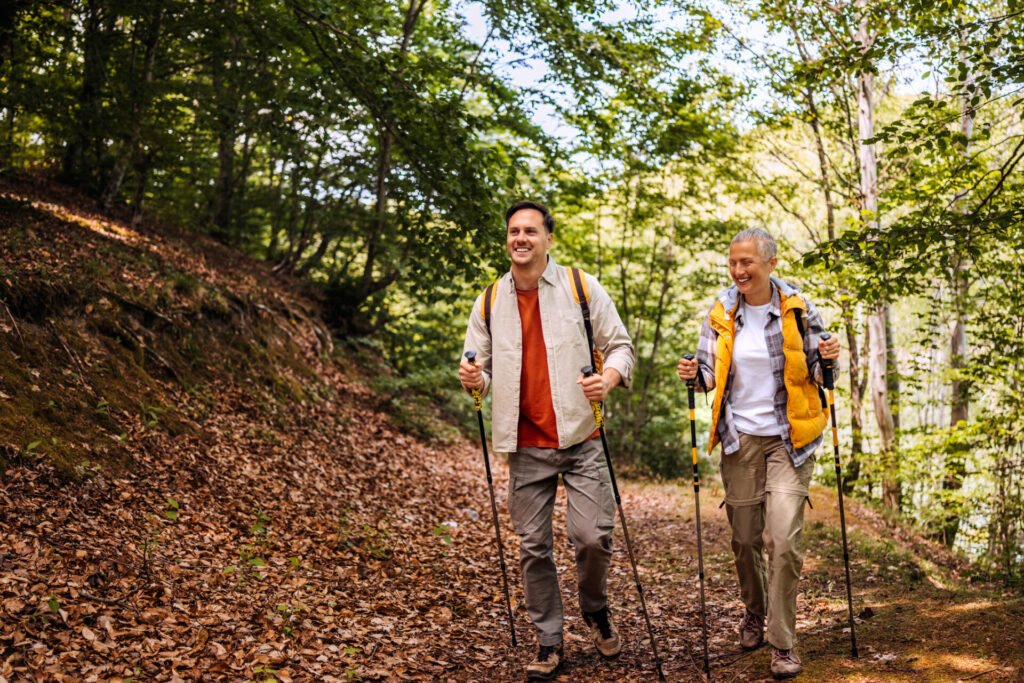
The Smokies Are Beautiful — But They’re Also Tough
The Great Smoky Mountains welcome more visitors than any other national park. Many trails look simple at the start, but elevation changes, heat, humidity and uneven ground can turn a casual walk into a challenge.
People often underestimate how quickly conditions can shift. Weather changes fast. Trails can become slippery. A wrong step can twist an ankle or cause a fall. Even skilled hikers can become dehydrated without noticing until it’s too late.
Our emergency department teams see many hikers each season who don’t realize how quickly the trail conditions drain their energy. By the time they reach help, they are often exhausted, overheated, or injured.
Know the Warning Signs of Trouble
You don’t need medical training to spot danger early. You just need to pay attention to your body.
- Thirst that won’t go away
- Headache or dizziness
- Cramps or weakness
- Heat that feels overwhelming
- Sudden pain in your foot, ankle, knee or hip
- Trouble catching your breath
These signs can appear fast, especially in hot weather. When you’re hiking, stopping early is not giving up, it’s staying safe.
Simple Steps to Stay Safe on the Trail
You can lower your risk with a few smart habits:
1. Drink water early and often: Don’t wait until you feel thirsty. Sip as you go.
2. Bring snacks with salt and carbs: Snacks like trail mix or bars can help your body stay balanced.
3. Wear sturdy shoes with good grip: Flip-flops and smooth-bottom shoes cause many falls. Hiking boots or high-quality tennis shoes are recommended. Be prepared with quality socks that extend above the ankle; this is the first and easiest defense in preventing blisters.
4. Watch the weather: Monitor weather forecasts for sudden changes, including storms, high winds, extreme temperatures, and visibility issues. Be prepared to adjust plans if official alerts or unsafe conditions arise.
5. Tell someone your plan: Share your trail and return time with a friend, or better yet, stick with a group when out exploring the mountains.
6. Turn around before you feel tired: Getting back is always harder than going out. If you can tell you’re losing momentum or getting worried about how far you’ve gone, it’s best to turn around.
7. Take breaks: Hiking is not a competition, take your time on the trail and rest periodically to ensure your body still feels good to proceed.
These simple steps can prevent many emergencies. Hiking safely doesn’t require complicated planning, just preparation and good decisions.
Your Post-Hike Health Matters
Staying safe doesn’t end when the hike does. Many hikers feel fine on the trail but notice symptoms later — headaches, nausea, muscle cramps or pain. These can be signs of dehydration or injury that need attention.
It’s important to check in with yourself after every hike. Drink water. Eat something salty. Rest. If you notice swelling, trouble putting weight on a foot or leg, or lingering dizziness, get help. Early care makes healing faster and keeps small problems from turning into big ones.
At Covenant Health, we know the terrain, the challenges of the Smokies and how to treat the injuries they can cause. We offer convenient locations across East Tennessee. With Covenant Health LeConte at the foothills of the national park, you can get evaluated quickly after a long or difficult hike. Our local teams are trained, trusted and ready to help you get back on your feet.