
What Your Smart Watch Can Tell You About Your Heart Health
- 5 minute read.
- Last Updated: 2/11/2026
A small tap on your wrist can sometimes be the first sign that something needs your attention. More people than ever are using smartwatches to track their health, and the Smart Watch has become a powerful tool for spotting early changes in heart patterns. While it can’t diagnose heart problems, it can give you helpful clues — and those clues can start important conversations with your doctor.

At Covenant Health, our cardiologists see this every day. “We are seeing more patients bring Apple Watch data in to ask questions about their heart health,” says Jeremy Brooks, MD, interventional cardiologist at Covenant Health Parkwest. “This is particularly helpful when their watch alerts them to an irregular rhythm.”
Smartwatches give you information. Covenant Health helps you understand it.
Your Heart Rate: A Simple Window Into Your Health
Your Smart Watch tracks your heart rate all day long. It can alert you if your heart rate stays too high or too low for a period of time.
A high heart rate can happen with stress, dehydration, fever or exercise. A low heart rate can be normal for athletes, but for others it may signal a problem. These alerts help you notice changes you may not feel.
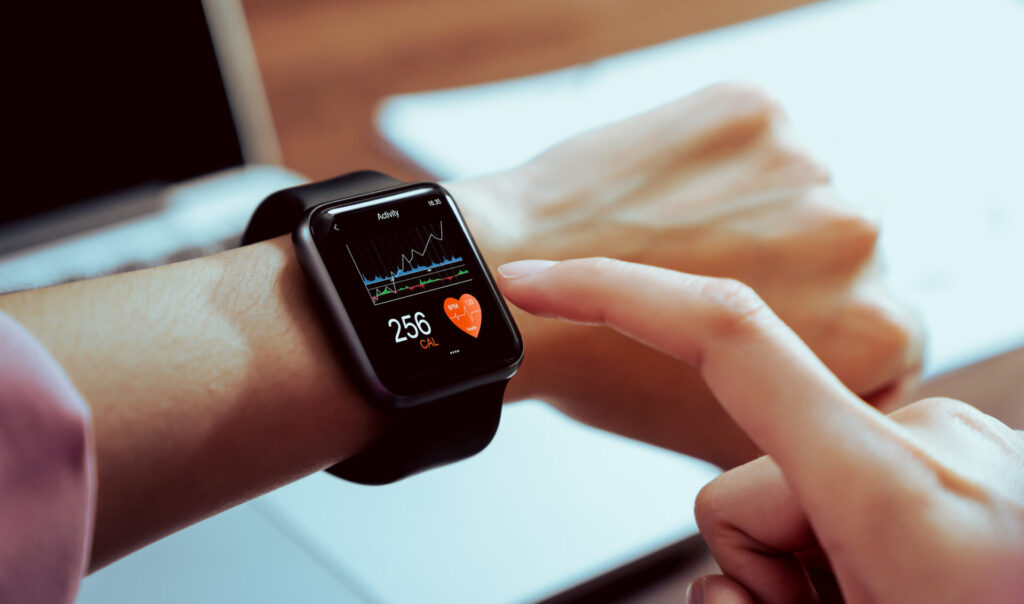
Many patients are surprised by how much their heart rate changes throughout the day. Seeing these patterns can help you talk with your doctor about what’s normal for you.
Dr. Brooks says certain changes deserve attention. “A sudden change in your average heart rate — for example, an increase from 70 beats per minute to 100 beats per minute over a few days — or alerts for multiple irregular rhythms can be a sign that you should talk to your primary care doctor or cardiologist.”
Irregular Rhythm Notifications
One of the most important features of some Smart Watches is its ability to check your heartbeat in the background. If it notices an irregular rhythm that may suggest atrial fibrillation (AFib), it sends you a notification.
AFib is a common heart rhythm problem. Some people feel fluttering or pounding in their chest. Others feel nothing at all. Early detection matters because AFib can raise the risk of stroke.
The watch does not diagnose AFib, but it can prompt you to get checked. Many patients bring these alerts to their appointments, and it helps guide next steps.
Dr. Brooks explains when to call a doctor. “If these alerts are happening often or are associated with symptoms like palpitations, lightheadedness or passing out, you should reach out. If you see one alert and don’t have symptoms, that’s less concerning.”
The ECG App: A Heart Test on Your Wrist
Newer Apple Watch models include an ECG app. You place your finger on the watch’s crown for 30 seconds, and it records your heart’s electrical activity. It can tell you if your rhythm looks normal or if it shows signs of AFib.
This is especially helpful when symptoms come and go. If your heart feels like it’s racing or skipping beats, you can capture it in real time and share it with your doctor.
But it’s important to understand what the watch can and cannot do. “The Apple Watch only gives us information from one EKG lead,” Dr. Brooks says. “A standard EKG in the clinic gives us information from twelve. It’s like having one camera instead of twelve cameras on the heart’s activity. It can help screen for rhythm problems, but it cannot tell you if you’re having a heart attack.”
Other Helpful Numbers
Your watch also tracks:
- Heart rate variability (HRV)
- Resting heart rate
- Cardio fitness (VO₂ max)
These numbers can reflect stress, sleep, fitness and overall heart health. They don’t diagnose conditions, but they help you understand your body better.
Dr. Brooks encourages people to focus on trends, not tiny changes. “Watch for significant changes in your average heart rate or irregular rhythm alerts, but don’t overly analyze the data or be alarmed by small changes.”
How Covenant Health Supports Your Heart Health
Covenant Health offers advanced heart care close to home. Our cardiology teams across East Tennessee use leading technology, convenient locations and years of experience to guide patients through heart concerns.
We provide:
- Comprehensive heart evaluations
- Advanced imaging and diagnostic testing
- Expert cardiologists and electrophysiologists
- Coordinated care across the Covenant Health system
Whether you bring in Smart Watch data, symptoms or questions, our specialists help you make sense of what you’re seeing and decide what comes next.
Your Next Step
If your Smart Watch has alerted you to a heart concern — or if you’re simply curious about your numbers — talking with a cardiologist is a smart next step. Your watch can give you data, but your doctor can help you understand what it means for your health. Covenant Health is here to guide you with confidence, clarity, and care. Connect with a Covenant Health cardiologist today.