
Are Prebiotics and Probiotics Worth the Hype?
- 3 minute read.
- Last Updated: 3/18/2026
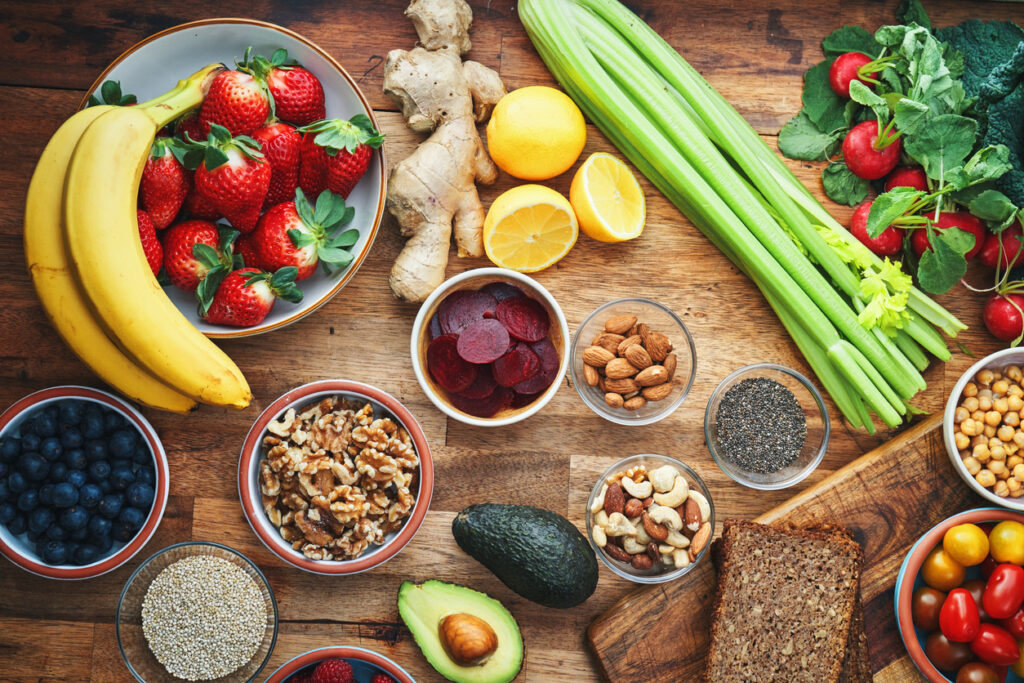
If you’ve been interested in eating healthier this year, you’ve probably already heard about prebiotics and probiotics. They’re often promoted as “cure‑alls” for everything from diabetes to cancer. But are they really worth the hype? And what should you know before jumping on the supplement trend?
At Covenant Health, our goal is simple: to give you clear information you can trust and care that meets you where you are. Our expert providers help patients make smart health choices every day.
What are Prebiotics and Probiotics?
Your body is home to trillions of tiny organisms living in your gut. These bacteria, fungi and viruses — together called the gut microbiota — help your body absorb nutrients and stay healthy.
Probiotics are live intestinal bacteria that support and improve gut health, while prebiotics are types of indigestible fiber that help them work. You need both to support a strong gut.
Our lifestyle choices often affect our gut health and our gut microbiota. Some things that disrupt your gut are:
- Stress
- Lack of sleep
- Processed foods
- Antibiotics
What Do Prebiotics and Probiotics Do?
When you add prebiotics and probiotics into your system, good bacteria in the digestive system help protect you from harmful bacteria and fungi. This can improve many functions including:
- Strengthening your immune system
- Supporting digestion
- Reducing inflammation
- Possibly improving symptoms of depression and anxiety
While some microorganisms are harmful, many are beneficial. The presence of many healthy bacteria helps reduce the incidence of several diseases, including:
- Diabetes
- Psoriatic Arthritis
- Possibly Cancer
The Best Choices for Better Gut Health
Prebiotics and probiotics are not just in capsules and vitamins. They are also in food.
- Prebiotic foods: Fruit, vegetables, legumes, whole grains
- Probiotic foods: Yogurt with live cultures, fermented or unpasteurized foods
It is always healthier to absorb as many nutrients as possible through food. While you can find them in supplements too, quality varies.
Some people should avoid these supplements altogether, including people with:
- Weakened immune systems
- Critical illnesses
- Certain heart or gut health conditions such as small intestinal bacterial overgrowth (SIBO) or irritable bowel syndrome (IBS)
- Allergies to certain bacteria or yeast
Always talk to your care provider before starting anything new.
Your Next Steps
Interested in starting a regimen of prebiotics or probiotics? Talk with a Covenant Health provider today about whether these supplements are right for you.