
Pinnacle Neurology
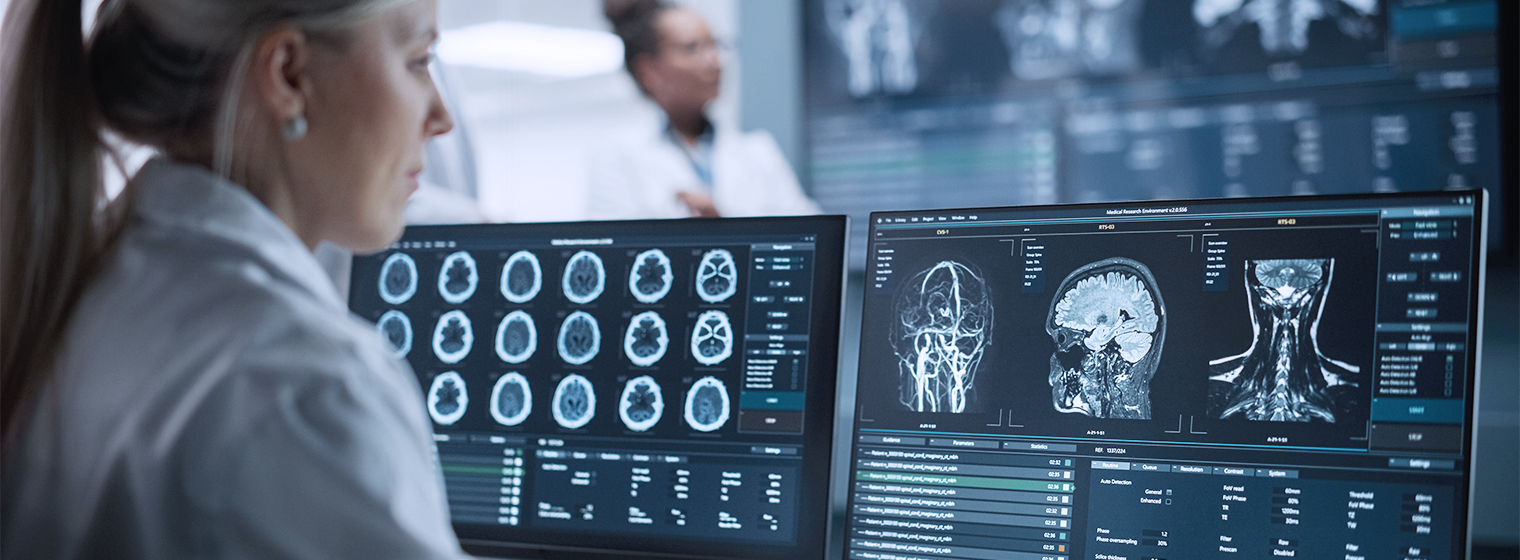
Welcome to Pinnacle Neurology
Our neurology team is skilled in diagnosing and treating diseases of the brain, spine and nervous system.
Get to Know Our Clinic
Patient Tools
Get started with some of our online patient tools.
About Pinnacle Neurology
At Pinnacle Neurology, we specialize in the treatment of neurological conditions that affect the brain, spine and nervous system. With more than 40 years of combined medical experience, our expert healthcare team is ready to provide you with excellent care. Our office is conveniently located at Covenant Health West. We’re proud to be a member of Covenant Medical Group, the physician practice group of Covenant Health.
Schedule an Appointment
Our team is ready to provide you with the right neurological care when you need us. We’re accepting new patients. Please note, a referral is required from your doctor.
Conditions Treated
Amyotrophic Lateral Sclerosis (ALS)
Also referred to as Lou Gehrig’s Disease, ALS is a nervous system disease that weakens muscles and impacts physical function. Nerve cells break down, which reduces functionality in the muscles they supply.
Bell’s Palsy
Bell’s Palsy causes sudden weakness in the muscles on one side of the face. In most cases, the weakness is temporary and improves over weeks. The muscle weakness makes half of the face appear to droop, smiles are one-sided, and the eye on the affected side resists closing.
Bradykinesia
Bradykinesia is slowness of movement and speed (or progressive hesitations/halts). It is one of the main symptoms of Parkinson’s Disease. You must have bradykinesia and either tremor or rigidity for a Parkinson’s diagnosis to be considered.
Charcot-Marie-Tooth Disease
Charcot-Marie-Tooth Disease is a disorder that causes damage to the peripheral nerves (that transmit information and signals from the brain and spinal cord to and from the rest of the body).
Dizziness
Dizziness can be a range of sensations, such as feeling faint, woozy, weak, or unsteady. You should see a doctor if you experience repeated dizziness, extended periods or severe dizziness, feel that the room is spinning, or can’t perform daily activities.
Epilepsy / Seizures
Epilepsy, also known as a “seizure disorder,” is a neurological condition that causes unprovoked seizures. A seizure is when an abnormal pattern of electrical activity occurs in the brain that temporarily interrupts normal brain function.
An unprovoked seizure is not caused by conditions such as a high fever, low/high blood sugar, alcohol, drug intoxication/withdrawal, or electrolyte abnormalities. When a person has two or more unprovoked seizures, he or she is considered to have epilepsy.
Epilepsy is one of the most common nervous system disorders, affecting individuals of all ages, races and ethnicities. It has a wide range of severity. Epilepsy may occur as a result of a genetic disorder or an acquired brain injury, such as a trauma or stroke.
Guillain-Barré Syndrome
Guillain-Barré Syndrome is a rare disorder in which your body’s immune system attacks your nerves. Weakness and tingling in your hands and feet are usually the first symptoms. These sensations can quickly spread, eventually paralyzing your whole body.
The condition may be triggered by an acute bacterial or viral infection.
Headache / Migraine
We treat headaches due to vertebrabosilar insufficiency and post-COVID headaches. Migraines are a type of headache of varying intensity, often accompanied by nausea and sensitivity to light and sound. Migraine headaches are sometimes preceded by warning symptoms. Triggers include hormonal changes, certain foods and drinks, stress, and exercise. Symptoms often include throbbing in one particular area that can vary in intensity, nausea, and sensitivity to light and sound.Horner’s Syndrome
Horner’s Syndrome is a disrupted nerve pathway on one side from the brain to the face and eye. It’s often the result of another medical condition, such as a stroke, tumor, or spinal cord injury. Symptoms include a smaller pupil, drooping eyelid, and little or no sweating on the affected side.Ideopathic Intracranial Hypertension
Ideopathic Intracranial Hypertension is a condition that occurs when pressure inside the skull increases for no obvious reason. Symptoms mimic a brain tumor, but no tumor is present. They may include headache behind the eyes, ringing in the ears in time with the heartbeat, and brief episodes of blindness.
Movement Disorders
Movement disorders refer to neurological conditions that cause either increased movements or reduced or slow movements that may be voluntary or involuntary.
Common movement disorders include:
- Ataxia
- Dystonia
- Huntington’s Disease
- Parkinson Disease
- Restless Legs Syndrome
- Tourette Syndrome
- Tremor
Myasthenia Gravis
Myasthenia Gravis is weakness and rapid fatigue of muscles under voluntary control. The condition is caused by a breakdown in communication between nerves and muscles. Symptoms include weakness in the arm and leg muscles, double vision, and difficulties with speech and chewing.
Multiple Sclerosis
Multiple Sclerosis (MS) is a potentially disabling disease of the brain and spinal cord (central nervous system). The immune system attacks the protective sheath (myelin) that covers nerve fibers and causes communication problems between the brain and the rest of the body.
Muscular Dystrophy / Neuromuscular Diseases
Muscular Dystrophy refers to a group of genetic diseases that cause progressive weakness and loss of muscle mass. Abnormal genes (mutations) lead to muscle degeneration. Most forms of muscular dystrophy begin in childhood. Affected muscles become progressively weaker, often times leading to the need for a wheelchair. Other symptoms include trouble breathing or swallowing.Parkinson’s Disease
Parkinson’s Disease is a brain disorder that causes unintended or uncontrollable movements, such as shaking, stiffness, and difficulty with balance and coordination. Symptoms usually begin gradually and worsen over time. As the disease progresses, people may have difficulty walking and talking.
Peripheral Neuropathy
Peripheral neuropathy is weakness, numbness, and pain from nerve damage, usually in your hands and feet. A common cause of this neurological disorder is diabetes, but it can also result from injuries, infections, and exposure to toxins. Symptoms of peripheral neuropathy include pain, pins-and-needles sensation, numbness, and weakness.
We do not treat neuropathy that is due to diabetes or chemotherapy.
Post-Herpatic Neuralgia
Post-herpetic neuralgia is a lasting pain in the areas of your skin where you had shingles.
Restless Leg Syndrome
Restless Leg Syndrome is characterized by a nearly irresistible urge to move the legs, typically in the evenings and while sitting or lying down. It generally worsens with age and can disrupt sleep.Spasmodic Torticollis
Spasmodic Torticollis, also called cervical dystonia, is a painful condition where your neck muscles contract involuntarily, causing your head to twist or turn to one side or cause your head to uncontrollably tilt forward or backward.
Tardive Dyskinesia
Tardive Dyskinesia affects the nervous system, often caused by long-term use of some psychiatric drugs. It causes repetitive, involuntary movements, such as grimacing and eye blinking.Tourette Syndrome
Tourette Syndrome is a nervous system disorder involving repetitive movements or unwanted sounds, such as repeatedly blinking the eyes, shrugging shoulders, or blurting out offensive words.Transverse Myelitis
Transverse Myelitis is an inflammation of part of the spinal cord. Common symptoms are back or neck pain, weakness or sensation changes in the arms or legs, or loss of bladder or bowel control.
Tremors
Tremors are rhythmic shaking that most often affects the hands, though it may also affect the head, voice, arms, or legs. It’s not related to Parkinson’s Disease.Trigeminal Neuralgia
Trigeminal Neuralgia is chronic pain affecting the trigeminal nerve in the face. Symptoms range from mild to severe facial pain, often triggered by chewing, speaking, or brushing the teeth.Vertigo
Vertigo is a sudden spinning sensation, often triggered by moving your head too quickly.
Neurology Services
Procedures & Treatments
- Neurological evaluation
- Comprehensive headache evaluation and treatment
- Injections for headache and migraine
- Occipital nerve block (injection of steroids or anesthetics for chronic headache)
- Electromyography
Patient Information
-

Visit Reminders
We ask that you please arrive at least 30 minutes prior to your scheduled appointment. Please bring the following items with you to your visit:
-
Your current health insurance information
-
Your current Photo ID
-
Any medications you are currently taking in their original containers or in a list with dosages and times
Please note: In order to provide efficient care for all of our patients, you may be asked to reschedule your appointment if you do not arrive at least 30 minutes early.
-
-
Prescription Refills
Go to MyCovenantHealthIt’s very important that you request your prescription refills during normal business hours before 4:30 p.m. Monday-Thursday or by 12 p.m. on Friday. Prescriptions will not be refilled on weekends or holidays.
You can request a refill on the MyCovenantHealth Patient Portal or by calling your pharmacy.
-
Referrals & Precertification
Referrals
Insurers often require a physician referral prior to your visit to Pinnacle Neurology. As a courtesy to our patients, we will attempt to contact your primary care physician and request a referral. However, it is your responsibility to confirm that a referral has been obtained before you are seen by our providers.
Precertification
If a test or procedure is ordered by a Pinnacle Neurology provider, our staff will obtain a necessary precertification on your behalf. Precertification for any tests or procedures ordered by your own primary care physician is the responsibility of your primary care provider’s office.
-
Patient Survey
Leave a ReviewOur Patients Are Important
We want to be your first and best choice for healthcare, and we need your feedback.
You will receive a text message or email asking you to complete a confidential and secure survey about your visit. Your feedback will help us continue to deliver excellent care. Thank you!
Had a Great Experience? Leave Us a Google Review!
How to leave a review:
- Go to Google.com and search for Pinnacle Neurology
- When our page listing appears, go to the Review section and click “Write a review”