
Bi-Plane Angiography
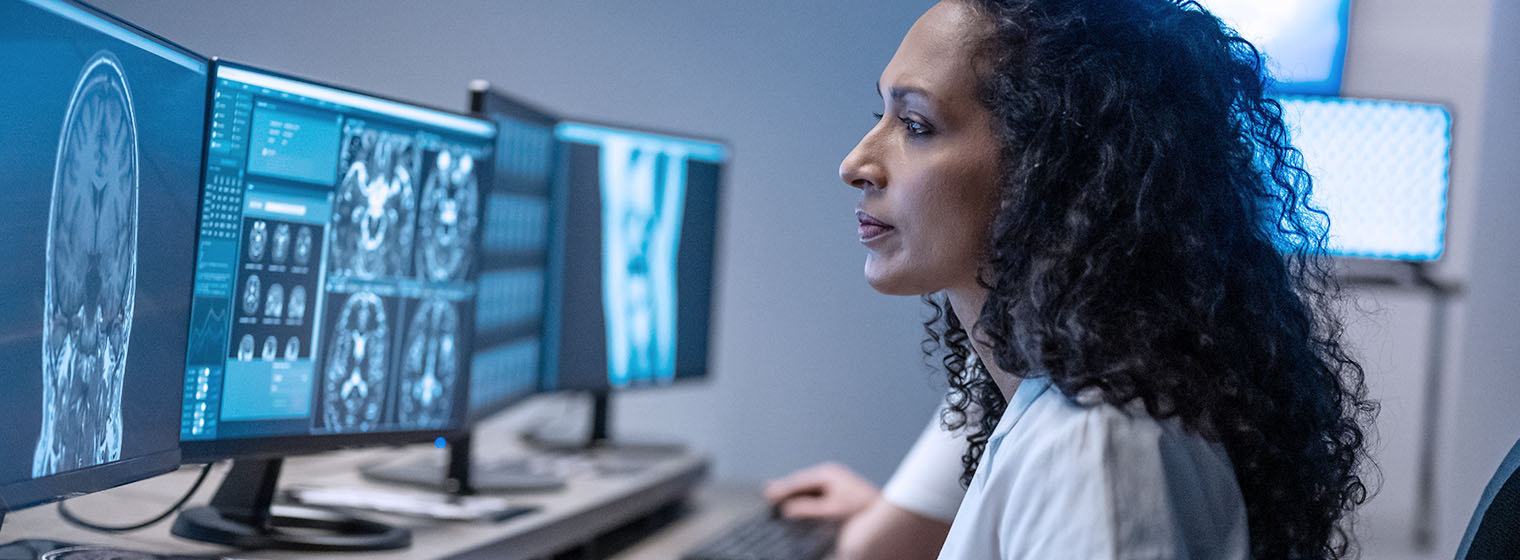
Fort Sanders Regional Medical Center was the first facility in the area to combine CT and bi-plane angiography with a full-time neurointerventional radiologist to provide our region with minimally invasive options for treating stroke, aneurysms and other vascular diseases in the brain. With this system, minimally-invasive procedures can be performed preventing patients from undergoing surgery or an extended hospital stay.
Bi-plane technology improves imaging and resolution, creating comprehensive 3-dimensional views of the blood vessels in the brain. Having a more precise picture of an abnormality makes it easier to diagnose and repair.
A team of American Registry of Radiologic Technologists (ARRT) certified technologists and nurses assist the radiologist with each procedure. Micro-catheters are inserted through the groin and then guided to the area of treatment to either administer medications, coil aneurysms or retrieve clots. These non-surgical procedures often have very short hospitalization, all while keeping radiation exposure to a safe minimum.
Bi-Plane Angiography Procedures
- Emergent clot removal for stroke
- Minimally invasive treatment for aneurysms
- Arteriovenous Malformation (AVM) treatment
- Opening blocked arteries for recurrent strokes
- Opening blocked veins for headaches
There is a time limitation for emergent stroke treatments. Patients must get to the emergency room as soon as possible after symptom onset in order to receive these treatments.

Coiling Procedure for Aneurysms
With Fort Sanders Regional’s new bi-plane angiography system, aneurysms can be better visualized, accessed, and repaired using a revolutionary coiling procedure. A neurointerventional radiologist (a physician with expertise in both neurovascular disease and imaging) is required to perform this procedure. Fewer than 300 physicians of this specialty exist in the United States.
With the less invasive coiling technique, aneurysms are repaired using tiny metal coils which are fed through a small catheter from an artery in the leg to the brain. The coils are made of soft platinum wire and clot the aneurysm from within. The artery heals across the coils, forming a new layer of tissue.
In some cases, because of an aneurysm’s location or the patient’s medical condition, coiling may not be the best treatment. Traditional neurosurgery may be recommended. Fort Sanders Regional’s neurointerventional radiologist and neurosurgeons work together to determine the best treatment option for each patient.
Arteriovenous Malformation (AVM) Treatment
AVMs are rare congenital defects in the arteries and veins of the brain. These can bleed but can also be treated using similar techniques as listed above with bi-plane technology.
Angioplasty-Stenting for Narrowed and Obstructed Arteries
Some blockages inside the brain may cause strokes and cannot be treated with traditional surgery. Bi-plane technology may assist these patients.