
Tips for Water Safety

- 5 minute read.
- Last Updated: 8/18/2026
As you make the most of summer, it’s important to keep safety top of mind. Whether you’re spending time in or around the water, soaking up sunshine or preparing food for a barbecue, a few smart habits can go a long way toward preventing injuries and illness.
The Importance of Learning to Swim
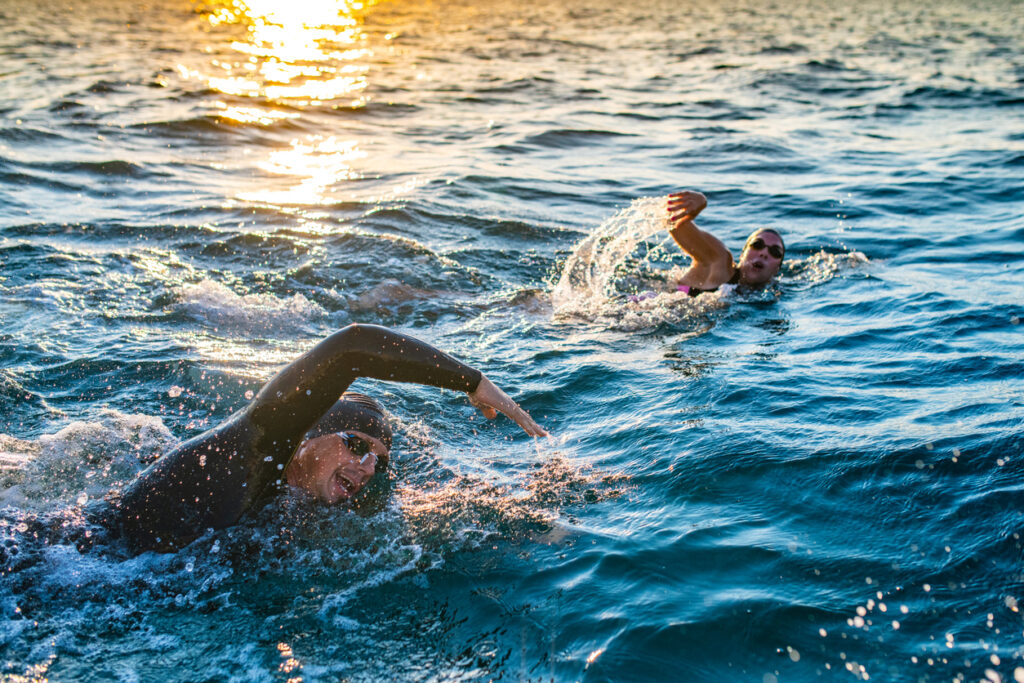
“Swimming is a great way to cool off, have fun and get exercise in the summer. But there are some risks to keep in mind,” says Covenant Health family physician Stacy Hicks, MD. Drowning is the No. 1 cause of unintentional death in all age groups. It is especially high for those under the age of 14. Dr. Hicks and Harry Baek, aquatics manager at Covenant Health’s Fort Sanders Health and Fitness Center, say one of the best water safety tips is to learn how to swim.
“I believe the most important thing when it comes to water safety is proactivity,” says Baek. “The last thing we want is to be reactive to something that has already happened.”
Dr. Hicks recommends ensuring a safe environment before jumping in. For pools:
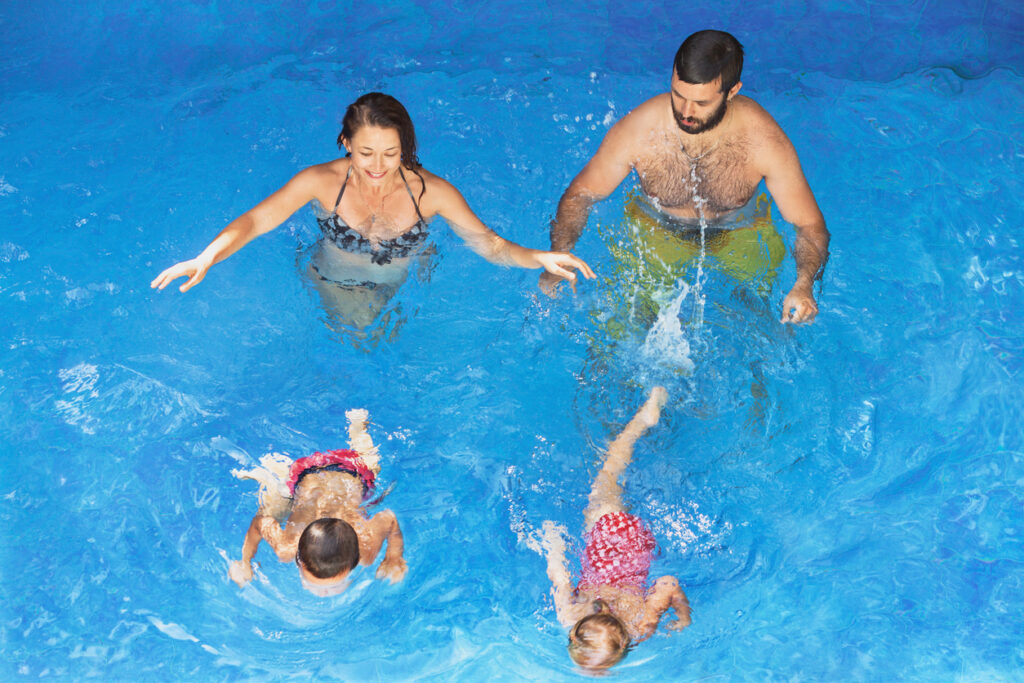
Manage the area. For a home pool, install fences with self-latching gates. Keep the swimming area clear and use a pool cover when the pool is not in use. These water safety tips help prevent unsupervised access by children. At public pools, make sure the pool area is safe, secure and supervised.
Establish pool rules. Set clear rules for pool use such as no running, no diving in shallow areas and no swimming alone.
Watch where you swim. Avoid swimming close to drains near the bottom of the pool. Be aware of slippery spots near the water.
Water safety tips for lakes, rivers and oceans include:
Be aware of currents. Avoid fast-moving currents, rapids or waves. If you’re caught in a rip current, swim parallel to the shore, gradually working your way to safety.
Wear appropriate gear. Use wetsuits or other protective gear when swimming in cold water and use a life jacket for boating and water sports.
Swim in designated areas. Stay in areas designated for swimming and, if possible, where lifeguards are present. Avoid swimming alone. Do not attempt to swim in areas that are too challenging for your strength or skill.
What to Do if Someone is Drowning
“Stay calm in a crisis or mishap,” Dr. Hicks says. “And consider getting basic life-support training so you are prepared for an emergency.”
Knowing how to respond in a drowning situation can save a life. Here’s what to do:
Call for help. Immediately alert a lifeguard or call emergency services if you see someone drowning.
Reach or throw, don’t go. If the person is within reach, use a long object to pull them to safety. If they are farther away, throw a flotation device.
Perform rescue breathing and CPR. If the person is unresponsive, begin rescue breathing and CPR if you are trained to do so. Continue until emergency responders arrive.
Stay calm. Keep calm to avoid putting yourself in danger and to provide clear instructions to others.
Seek medical attention. Even if the person appears to recover, seek medical attention immediately to avoid complications that may come later.
When to Call for Help
Call 911 if a person in trouble experiences any of the following:
· Choking or trouble breathing
· Unconsciousness or lack of responsiveness
· Heart attack or stroke
· Asthma attack, allergic reaction or seizure (rhythmic jerking or unconsciousness)
· Bleeding that doesn’t stop with direct pressure
· A cut or burn that is large, deep or involving the head, chest or abdomen
· A sudden inability to move
· Skin or lips that look blue, purple or gray
· A head injury with loss of consciousness, confusion, vomiting or poor skin color
· Serious injury resulting from an accident
Schedule a visit with a doctor if minor injuries or illnesses don’t improve in a few days.
Swimming Lessons at Fort Sanders Health and Fitness Center
Fort Sanders Health and Fitness Center in Knoxville, Tennessee, offers private and group swim lessons for all levels of ability. At the fitness center, 400+ swimming lessons take place each month for people of all ages, starting at six months. Members can learn basic water safety, competitive swimming and even triathlon training. Baek has a passion for helping kids move from being safe swimmers to swimming champions with the center’s competitive Storm Team.
“Our Olympic-level coaches are able to work on technique, conditioning and stroke refinement for more efficient swimming,” Baek says. The fitness center also offers aqua aerobics, American Red Cross-certified lifeguard classes and re-certification classes.
For information about aquatics and swimming lessons, call 865-531-5000 or visit the Fort Sanders Health and Fitness Center website.
About the Author
Covenant Health
Headquartered in Knoxville, Tennessee, Covenant Health is a not-for-profit, community-owned, healthcare enterprise committed to providing the right care at the right time and place. Covenant Health is the area’s largest employer and has more than 11,000 compassionate caregivers, expert clinicians, and dedicated employees and volunteers.